Content Menu
● What is Ringlock Scaffolding?
● Components of Ringlock Scaffolding
● Why Ringlock Scaffolding is Preferred in Construction
>> High Strength and Load-Bearing Capacity
>> Modular and Flexible Design
>> Rapid Assembly and Disassembly
>> Safety Features
● Key Factors to Consider When Choosing Ringlock Scaffolding
>> 1. Material Quality and Certification
>> 2. Load Capacity and Project Requirements
>> 3. Component Compatibility and Accessories
>> 4. Supplier Reputation and Support
>> 5. Customization and OEM Services
● Step-by-Step Guide to Erecting Ringlock Scaffolding
● Common Applications of Ringlock Scaffolding
● Innovations in Ringlock Scaffolding
>> Robotic Welding and Automation
>> Smart Scaffolding Systems
>> Digital Planning Tools
>> Sustainability and Eco-Friendly Manufacturing
● Maintenance and Inspection of Ringlock Scaffolding
● Conclusion
● FAQ
>> 1. What materials are used in high-quality ringlock scaffolding?
>> 2. How does ringlock scaffolding improve construction safety?
>> 3. Can ringlock scaffolding be customized for specific projects?
>> 4. What certifications should I look for when buying ringlock scaffolding?
>> 5. How fast can ringlock scaffolding be assembled compared to traditional systems?
Ringlock scaffolding has become one of the most popular and versatile scaffolding systems worldwide, especially favored for its safety, efficiency, and adaptability across various construction projects. However, choosing the right ringlock scaffolding system tailored to your construction needs requires careful consideration of multiple factors such as material quality, load capacity, project requirements, and safety standards. This comprehensive guide will help you understand the essentials of ringlock scaffolding, evaluate different systems, and make an informed choice for your specific construction project.

What is Ringlock Scaffolding?
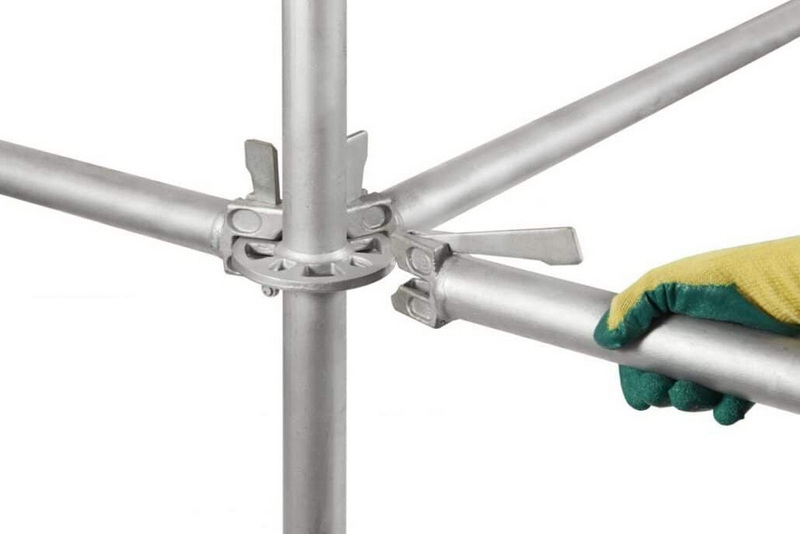
Ringlock scaffolding is a modular scaffolding system characterized by vertical standards with welded rosettes (rings) spaced at regular intervals. Horizontal ledgers and diagonal braces connect to these rosettes using wedge locks, allowing up to eight connections at each node. This design enables rapid assembly, high flexibility, and secure, wobble-free structures.
Components of Ringlock Scaffolding
- Vertical Standards: Steel tubes with welded rosettes.
- Ledgers (Horizontals): Connect horizontally to standards.
- Diagonal Braces: Provide structural stability.
- Base Jacks and Base Collars: Support and level the scaffolding.
- Steel Planks: Platforms for workers and materials.
- Wedges and Ledger Ends: Secure connections.
Why Ringlock Scaffolding is Preferred in Construction
High Strength and Load-Bearing Capacity
Ringlock scaffolding is typically made from high-grade Q345 steel or hot-dip galvanized steel, offering excellent corrosion resistance and strength. Its unique rosette connection distributes loads evenly, supporting heavy construction activities safely.
Modular and Flexible Design
The rosette system allows up to eight connections per node, enabling scaffolding to adapt to complex geometries such as curved facades or uneven terrains. This flexibility makes ringlock scaffolding ideal for a wide range of projects, from high-rise buildings to industrial plants.
Rapid Assembly and Disassembly
The wedge and rosette connection system allows for quick, tool-free assembly and dismantling, reducing labor costs and project timelines significantly.
Safety Features
Ringlock scaffolding includes integrated guardrails, toe boards, and anti-slip platforms. Its rigid connections reduce wobble and improve overall stability, enhancing worker safety.
Key Factors to Consider When Choosing Ringlock Scaffolding
1. Material Quality and Certification
Choose ringlock scaffolding made from high-quality steel such as Q345 or S355, with hot-dip galvanizing for corrosion resistance. Verify certifications like ISO 9001, CE, EN 12810, and EN 12811 to ensure compliance with international safety standards.
2. Load Capacity and Project Requirements
Assess your project's load requirements carefully. Heavy-duty ringlock scaffolding is essential for high-rise buildings, bridge construction, and industrial projects, while lighter systems may suffice for smaller or less demanding tasks.
3. Component Compatibility and Accessories
Ensure the ringlock scaffolding system includes compatible accessories such as base jacks, stairways, steel planks, and safety nets. Compatibility reduces assembly errors and improves safety.
4. Supplier Reputation and Support
Select manufacturers or suppliers with proven track records, positive customer reviews, and strong after-sales support including training, technical assistance, and warranty services.
5. Customization and OEM Services
For specialized projects, consider suppliers offering OEM or customization services to tailor scaffolding dimensions, finishes, and packaging to your needs.
Step-by-Step Guide to Erecting Ringlock Scaffolding
1. Safety First: Equip workers with PPE including helmets, harnesses, gloves, and non-slip footwear.
2. Site Preparation: Level the ground and install base plates or adjustable jacks.
3. Erect Vertical Standards: Position standards and secure base jacks.
4. Connect Ledgers and Diagonals: Attach horizontal and diagonal braces to rosettes using wedges.
5. Install Platforms: Place steel planks securely on ledgers.
6. Add Safety Features: Install guardrails, toe boards, and safety nets.
7. Inspection: Conduct regular safety checks and maintenance.
Common Applications of Ringlock Scaffolding
- High-Rise Construction: Provides stable platforms for workers and materials.
- Bridge and Infrastructure Projects: Supports heavy loads and complex geometries.
- Industrial Plants: Offers flexible access for maintenance and installation.
- Event Staging: Enables rapid assembly of temporary stages and grandstands.
- Facade Work and Renovations: Adapts to irregular surfaces and confined spaces.
Innovations in Ringlock Scaffolding
Robotic Welding and Automation
Robotic welding ensures consistent quality and strength in rosette connections, reducing defects and improving safety.
Smart Scaffolding Systems
Integration of sensors to monitor load, stress, and environmental conditions in real-time enhances safety and maintenance.
Digital Planning Tools
BIM integration and online configurators help design scaffolding layouts tailored to complex projects, improving efficiency.
Sustainability and Eco-Friendly Manufacturing
Many manufacturers now emphasize sustainable production, using recycled materials and environmentally friendly coatings to reduce carbon footprint.
Maintenance and Inspection of Ringlock Scaffolding
Regular maintenance and inspection are vital for safety and longevity:
- Check wedges and rosettes for wear or damage.
- Inspect steel planks for corrosion or deformation.
- Verify guardrails and toe boards are secure.
- Ensure base plates and jacks are stable and level.
Many suppliers offer digital inspection checklists and mobile apps to facilitate maintenance.
Conclusion
Choosing the right ringlock scaffolding system is essential for the safety, efficiency, and success of your construction project. By considering material quality, load capacity, project requirements, and supplier reliability, you can select a system that meets your needs perfectly. The modular design and rapid assembly of ringlock scaffolding make it a versatile solution for a wide range of applications, from high-rise buildings to industrial maintenance. Leveraging innovations such as robotic welding and smart monitoring further enhances its value. Partner with reputable manufacturers and suppliers to ensure you get the best quality and support for your project.

FAQ
1. What materials are used in high-quality ringlock scaffolding?
High-quality ringlock scaffolding is typically made from Q345 or S355 steel with hot-dip galvanizing to resist corrosion and ensure durability.
2. How does ringlock scaffolding improve construction safety?
Its rigid rosette and wedge locking system creates stable, wobble-free structures, complemented by integrated guardrails and anti-slip platforms.
3. Can ringlock scaffolding be customized for specific projects?
Yes, many manufacturers offer OEM and customization services to tailor dimensions, finishes, and accessories.
4. What certifications should I look for when buying ringlock scaffolding?
Look for ISO 9001, CE marking, EN 12810, and EN 12811 certifications to ensure compliance with international standards.
5. How fast can ringlock scaffolding be assembled compared to traditional systems?
Ringlock scaffolding can be assembled up to 40% faster than traditional tube-and-clamp scaffolding due to its modular design and wedge-lock system.