Content Menu
● What Is an Aluminium Scaffold Tower?
● Tools and Equipment Needed
● Step-by-Step Guide to Erecting an Aluminium Scaffold Tower
>> Step 1: Prepare the Site
>> Step 2: Assemble the Base Frames
>> Step 3: Add Diagonal Braces
>> Step 4: Install the First Platform
>> Step 5: Add Guardrails and Midrails
>> Step 6: Raise Additional Frames
>> Step 7: Install Access Ladder
>> Step 8: Install Toe Boards
>> Step 9: Use Outriggers for Taller Towers
>> Step 10: Final Checks and Safety Tags
● Safety Considerations
● Maintenance and Care
● Integration with Other Scaffold Systems and Components
● Conclusion
● FAQ
>> 1. What is the maximum height for an aluminium scaffold tower?
>> 2. Can I move the scaffold tower while someone is on it?
>> 3. How do I ensure the scaffold tower is level?
>> 4. What safety equipment is required when erecting an aluminium scaffold tower?
>> 5. How often should the scaffold tower be inspected?
Erecting an aluminium scaffold tower is a vital skill for construction workers, maintenance professionals, and DIY enthusiasts who require safe and efficient access to elevated work areas. Aluminium scaffold towers are popular due to their lightweight nature, durability, and ease of assembly and mobility. This comprehensive guide will walk you through the step-by-step process of erecting an aluminium scaffold tower safely and effectively. We will also cover essential safety considerations, tools required, maintenance tips.
What Is an Aluminium Scaffold Tower?
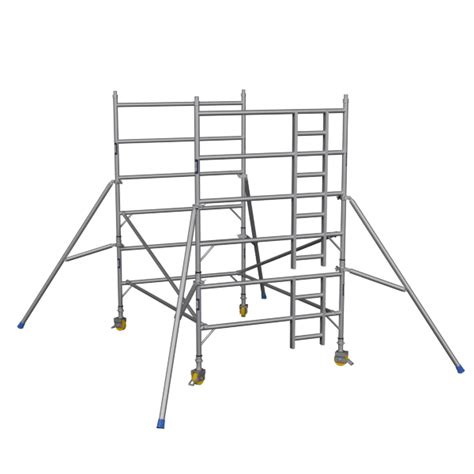
An aluminium scaffold tower is a modular, freestanding scaffold structure made primarily of aluminium components. It is designed to provide a secure working platform at various heights and is typically mounted on locking castors for easy movement. Aluminium towers are favored for their corrosion resistance, lightweight properties, and quick assembly compared to traditional steel scaffolds.
Tools and Equipment Needed
Before starting the erection process, gather the following tools and equipment:
- Aluminium scaffold tower kit (frames, braces, platforms, guardrails, castors)
- Adjustable spanners or scaffold wrenches (commonly 21mm or 23mm)
- Spirit level to ensure verticality and leveling
- Safety gear: helmet, gloves, harness (if required)
- Outriggers/stabilizers for additional support on taller towers
- Ladder (if not integrated into the tower)
- Tape measure
Step-by-Step Guide to Erecting an Aluminium Scaffold Tower
Step 1: Prepare the Site
- Clear the area of debris, obstacles, and hazards.
- Ensure the ground is level and firm. Use base plates or adjustable legs if necessary.
- Check for overhead obstructions like power lines.
Step 2: Assemble the Base Frames
- Insert castors into the base frames and lock the wheels.
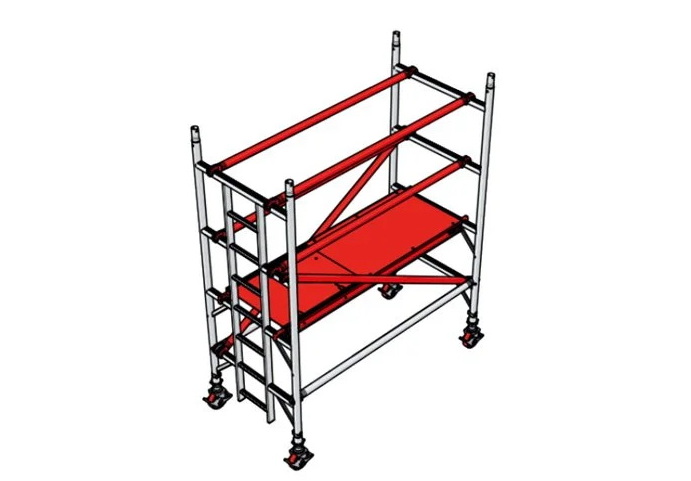
- Attach horizontal braces to the vertical frames, ensuring they connect to the vertical uprights to prevent tipping.
- Connect two base frames with horizontal braces to form a stable rectangular base.
Step 3: Add Diagonal Braces
- Attach diagonal braces to opposite corners of the base frame to stabilize the structure.
- Use a spirit level to check that the base is square and level.
- Adjust the castors as needed to achieve perfect leveling.
Step 4: Install the First Platform
- Position the first platform on the top rung of the base frame.
- Secure the platform firmly, ensuring any trapdoors are functional and safe.
Step 5: Add Guardrails and Midrails
- Attach end guardrails at the platform level while standing on the ground.
- Prepare additional guardrail components for easy access from the scaffold.
- Install remaining guardrails and midrails from the platform safely.
Step 6: Raise Additional Frames
- Stack the next set of frames on top of the base frames.
- Secure with locking clips or pins.
- Attach horizontal and diagonal braces at the new level.
- Install the second platform temporarily at a lower height to assist with safe assembly.
Step 7: Install Access Ladder
- Insert and secure the ladder through the trapdoor platform.
- Ensure the ladder is firmly attached and stable for safe climbing.
Step 8: Install Toe Boards
- Attach toe boards around the platform edges to prevent tools or materials from falling.
Step 9: Use Outriggers for Taller Towers
- If the tower height exceeds three times the minimum base dimension, install outriggers for additional stability.
- Position outriggers in opposing directions and ensure they are level.
Step 10: Final Checks and Safety Tags
- Verify all locking clips and braces are secure.
- Confirm the tower is vertical using the spirit level.
- Lock all castors.
- Attach “Safe to Use” or “Unsafe to Use” tags as per site safety protocols.

Safety Considerations
- Always adhere to the manufacturer's height-to-base width ratio (usually 4:1).
- Use outriggers for towers taller than 3 meters.
- Wear appropriate PPE including helmets, gloves, and harnesses if required.
- Never move the tower with workers on it unless designed and certified for such use.
- Conduct daily inspections for damage, loose fittings, or corrosion.
- Ensure all users are trained in scaffold safety.
Maintenance and Care
- Clean aluminium components regularly to prevent dirt buildup.
- Store scaffold parts in dry, covered areas to avoid corrosion.
- Check castors and locking mechanisms frequently.
- Replace any damaged or worn parts immediately.
- Lubricate moving parts to ensure smooth operation.
Integration with Other Scaffold Systems and Components
Aluminium scaffold towers can be integrated with various scaffold systems and components to enhance versatility and safety:
- BS Standard Scaffold Tubes: Aluminium towers can be combined with BS standard tubes for customized configurations.
- Cuplock Scaffolding Fittings: Modular Cuplock fittings can complement aluminium towers for complex structures.
- Aluminium Scaffolding Boards: Lightweight boards improve portability and ease of assembly.
- Layher Metric Allround System: Compatible with aluminium towers for advanced scaffolding solutions.
- Liba Scaffolding System: Modular and versatile, suitable for integration with aluminium scaffold towers.
This integration allows for tailored scaffolding systems that meet specific project requirements efficiently.
Conclusion
Erecting an aluminium scaffold tower requires careful preparation, quality materials, and adherence to safety standards. By following the detailed steps outlined in this guide, you can assemble a stable, safe, and efficient scaffold tower suitable for a wide range of elevated tasks. Always prioritize safety, ensure proper training, and consult manufacturer instructions and local regulations to maintain compliance and minimize risk.
FAQ
1. What is the maximum height for an aluminium scaffold tower?
Answer: Typically, aluminium scaffold towers can be safely erected up to 12 meters indoors and 8 meters outdoors, depending on the use of outriggers and local regulations.
2. Can I move the scaffold tower while someone is on it?
Answer: No, unless the tower is specifically designed and certified for movement with personnel on it.
3. How do I ensure the scaffold tower is level?
Answer: Use a spirit level on the base frames and adjust the castors accordingly before assembly.
4. What safety equipment is required when erecting an aluminium scaffold tower?
Answer: PPE such as helmets, gloves, non-slip footwear, and fall arrest harnesses if working at height.
5. How often should the scaffold tower be inspected?
Answer: Inspect daily before use and after any event that could affect its stability, such as strong winds or accidental impacts.