Content Menu
● Introduction to Tube and Fitting Scaffolding
● Components of Tube and Fitting Scaffolding
● Steps to Erect Tube and Fitting Scaffolding
● Safety Considerations
● Modular Scaffolding Systems
● Advantages of Modular Scaffolding
● Environmental Factors
● Protective Measures
● Advanced Scaffolding Techniques
● Specialized Scaffolding for Unique Projects
● Specialized Scaffolding for High-Rise Buildings
● Safety Measures for High-Rise Scaffolding
● Scaffolding Regulations and Standards
>> OSHA Regulations in the U.S.
>> European Standards
● Training and Certification
● Conclusion
● FAQ
>>> 1. What are the basic components of tube and fitting scaffolding?
>> 2. How do you ensure stability when erecting scaffolding?
>> 3. What safety measures should be taken during scaffolding assembly?
>> 4. What are the benefits of using modular scaffolding systems?
>> 5. How can environmental factors affect scaffolding tubes?
● Citations:
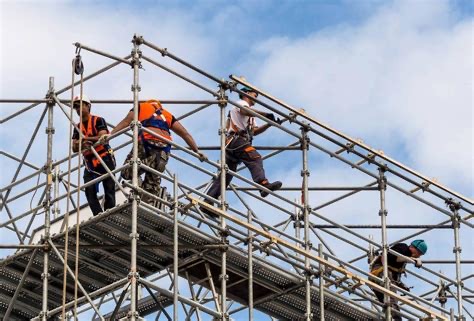
Erecting tube and fitting scaffolding is a critical process in construction, requiring careful planning and execution to ensure safety and stability. This type of scaffolding is widely used due to its versatility and ability to be customized for various project needs. In this article, we will guide you through the steps of erecting tube and fitting scaffolding, highlighting key components, safety considerations, and best practices.
Introduction to Tube and Fitting Scaffolding
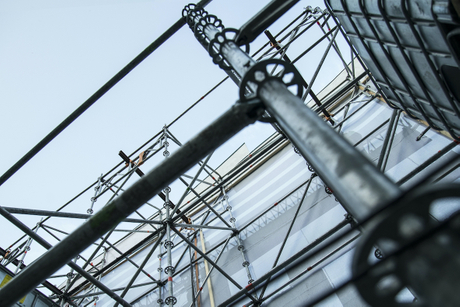
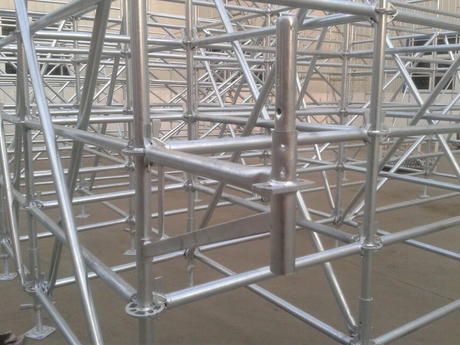
Tube and fitting scaffolding consists of steel tubes connected by fittings such as couplers, which provide a strong and reliable support system. This method allows for flexibility in design, making it suitable for projects with complex shapes or irregular surfaces.
Components of Tube and Fitting Scaffolding
- Vertical Tubes: These are the uprights that form the main structure of the scaffold.
- Horizontal Tubes: These connect the vertical tubes to form the framework.
- Couplers: Used to join tubes at various angles.
- Cross Braces: Provide additional stability to the scaffold.
- Base Plates: Secure the scaffold to the ground.
Steps to Erect Tube and Fitting Scaffolding
Erecting tube and fitting scaffolding involves several key steps:
1. Plan the Scaffolding: Assess the work area to determine the required height, width, and length of the scaffold. Identify the number of working platforms needed.
2. Gather Necessary Components: Ensure you have all the required parts, including vertical and horizontal tubes, couplers, cross braces, and base plates.
3. Stability Considerations: Ensure the surface is level and can support the weight of the scaffold. Use base plates to secure the vertical tubes.
4. Assemble Vertical and Horizontal Tubes: Insert vertical tubes into base plates and secure them. Connect horizontal tubes using couplers.
5. Add Cross Braces: Install cross braces diagonally to enhance stability.
6. Install Working Platforms: Secure boards or planks to the scaffold, ensuring they are level and firm.
7. Add Guardrails and Toe Boards: Install guardrails and toe boards to prevent falls.
8. Inspect the Scaffolding: Check all connections and ensure stability before use.
Safety Considerations
Safety is paramount when erecting scaffolding. Always follow manufacturer instructions and safety guidelines:
- Regular Inspections: Ensure the scaffold is inspected daily by a competent person.
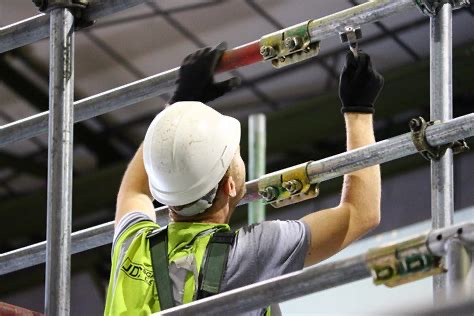
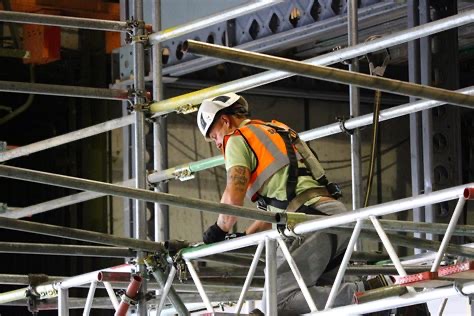
- Proper Assembly: Use safety equipment like hard hats and gloves during assembly.
- Training: Ensure workers are trained in scaffolding assembly and safety procedures.
Modular Scaffolding Systems
In addition to tube and fitting scaffolding, modular scaffolding systems offer improved efficiency and safety. These systems use pre-fabricated components that can be easily assembled into various configurations.
Advantages of Modular Scaffolding
- Efficient Assembly: Modular components are designed to fit together quickly and securely.
- Reduced Labor Costs: Simplified assembly saves time and labor.
- Enhanced Safety: Fewer loose parts reduce the risk of accidents.
Environmental Factors
Environmental conditions can affect the durability and safety of scaffolding. Extreme temperatures, moisture, and exposure to chemicals can weaken the material over time. Regular maintenance and protective coatings can help extend the lifespan of scaffolding tubes.
Protective Measures
- Galvanization: Applying a zinc coating to steel tubes protects against corrosion.
- Painting: Applying a durable paint can protect against weathering.
- Storage: Proper storage in dry conditions can prevent rust and damage.
Advanced Scaffolding Techniques
Advanced scaffolding techniques involve complex configurations and specialized equipment. These techniques are often used in projects with unusual shapes or high-rise buildings.
Specialized Scaffolding for Unique Projects
- Cantilever Scaffolding: Used for projects where the scaffold must extend over obstacles.
- Suspended Scaffolding: Used for high-rise buildings where the scaffold is suspended from the roof.
Specialized Scaffolding for High-Rise Buildings
High-rise scaffolding requires additional safety measures and specialized equipment to ensure stability and worker safety.
Safety Measures for High-Rise Scaffolding
- Tying and Guying: Securing the scaffold to the building to prevent tipping.
- Regular Inspections: Ensuring all connections are secure and the scaffold is stable.
Scaffolding Regulations and Standards
Different countries have specific regulations and standards for scaffolding. Understanding these regulations is crucial for compliance and safety.
OSHA Regulations in the U.S.
- OSHA 29 CFR 1926.451: Provides detailed guidelines for scaffolding safety and assembly.
European Standards
- EN 12811: Specifies requirements for scaffolding design and construction.
Training and Certification
Proper training and certification are essential for scaffolding assembly and safety. Workers should be trained in:
- Scaffolding Assembly Techniques: Understanding how to properly assemble scaffolding components.
- Safety Procedures: Knowing how to identify hazards and prevent accidents.
- Regular Inspections: Learning how to inspect scaffolding for defects or damage.
Conclusion
Erecting tube and fitting scaffolding requires careful planning, adherence to safety guidelines, and proper assembly techniques. By following these steps and considering environmental factors, you can ensure a safe and stable scaffolding structure for your construction project. Additionally, advanced scaffolding techniques and specialized equipment can be used for unique projects, further enhancing the versatility of scaffolding systems.
FAQ
1. What are the basic components of tube and fitting scaffolding?
The basic components include vertical tubes, horizontal tubes, couplers, cross braces, and base plates.
2. How do you ensure stability when erecting scaffolding?
Ensure the surface is level and use base plates to secure the vertical tubes. Install cross braces diagonally to enhance stability.
3. What safety measures should be taken during scaffolding assembly?
Use safety equipment like hard hats and gloves. Ensure workers are trained in scaffolding assembly and safety procedures. Regularly inspect the scaffold before use.
4. What are the benefits of using modular scaffolding systems?
Modular scaffolding offers efficient assembly, reduced labor costs, and enhanced safety by minimizing loose parts.
5. How can environmental factors affect scaffolding tubes?
Environmental factors like extreme temperatures, moisture, and chemical exposure can weaken scaffolding tubes. Regular maintenance and protective coatings can mitigate these effects.
Citations:
[1] https://scaffold-tower-hire.com/how-to-erect-tube-and-fitting-scaffolding/
[2] https://www.youtube.com/watch?v=ZM6Tlh_NAnQ
[3] https://www.safework.nsw.gov.au/resource-library/scaffolding/erecting,-altering-and-dismantling-scaffolding-part-1-prefabricated-steel-modular-scaffolding
[4] https://www.osha.gov/sites/default/files/publications/OSHA_FS-3759.pdf
[5] https://dss.net/how-to-set-up-scaffold-10-easy-steps/
[6] https://www.youtube.com/watch?v=61PDBVH-7i4
[7] https://technical.smartscaff.com.au/uploadedMedia/Scaffold_Erection_Guide_39719b53-9e54-45d6-857b-b8f163d9fc17/Scaffold_Erection_Guide_39719b53-9e54-45d6-857b-b8f163d9fc1721.pdf
[8] https://kimsingscaffold.com/blog/erecting-and-dismantling-scaffolds-step-by-step-procedures-in-singapore-for-safe-construction/