Content Menu
● Introduction to Coupler Scaffolding Parts
● Types of Coupler Scaffolding Parts
● How to Select the Best Coupler Scaffolding Parts
● Safety Considerations
● Applications of Coupler Scaffolding Parts
● Conclusion
● FAQ
>> 1. What are the main types of coupler scaffolding parts?
>> 2. How do coupler scaffolding parts ensure safety?
>> 3. What materials are coupler scaffolding parts typically made from?
>> 4. What are some common applications of coupler scaffolding parts?
>> 5. How should coupler scaffolding parts be stored?
● Citations:
Identifying and selecting the best coupler scaffolding parts is crucial for ensuring the stability and safety of scaffolding structures. Coupler scaffolding parts, including couplers and clamps, play a vital role in connecting scaffolding tubes securely, allowing workers to access high areas safely. In this article, we will explore the different types of coupler scaffolding parts, their functions, and how to choose the most suitable ones for your construction projects.
Introduction to Coupler Scaffolding Parts
Coupler scaffolding parts are essential components in the construction industry, used to assemble tube-and-coupler scaffolding systems. These parts include various types of couplers and clamps, each designed to serve specific purposes in scaffolding construction.
Types of Coupler Scaffolding Parts
There are several types of coupler scaffolding parts, each with unique features and applications:
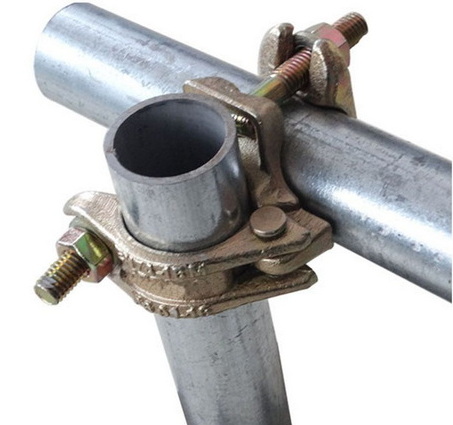
1. Double Couplers (Right-Angle Couplers): These are used to connect two scaffolding tubes at a right angle, forming a strong and stable joint. They are essential for constructing the basic framework of scaffolding structures.
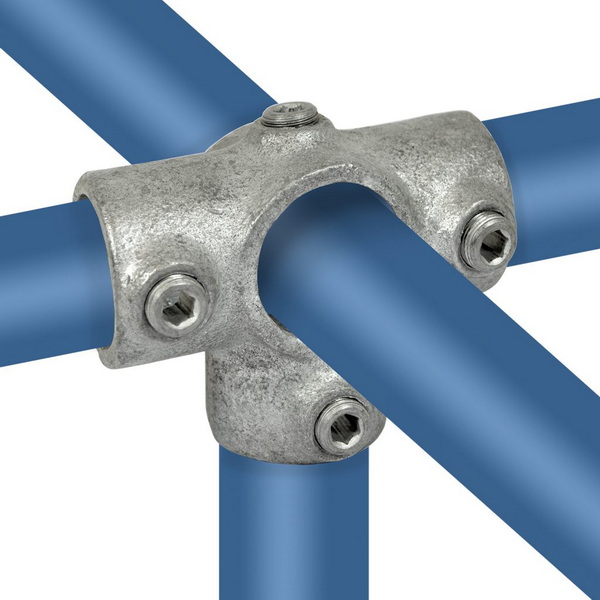
2. Swivel Couplers: Allow tubes to be connected at any angle, providing flexibility in scaffolding design and bracing. Swivel couplers are particularly useful when constructing complex scaffold configurations that require adaptability.
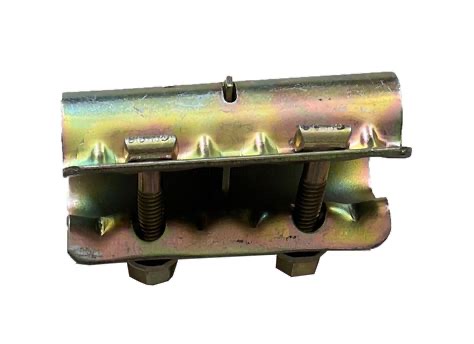
3. Sleeve Couplers: Used for splicing tubes end-to-end, enhancing the length of scaffolding structures. Sleeve couplers are commonly utilized when scaffolding requires longer spans or when two tubes need to be joined together to achieve the desired length.
4. Putlog Couplers (Single Couplers): Also known as single right-angle couplers, these are used to attach transoms or putlogs to ledger tubes. They provide stability and support in scaffolding configurations where a scaffold platform is constructed on one side of a structure.
5. Beam Clamps (Girder Couplers): Used to connect scaffold tubes to beams or girders, ensuring the stability and safety of the beams. Beam clamps are typically used in scaffolding structures that require beam support.
6. Board Retaining Couplers (BRC): Secure boards or planks to the scaffolding frame, ensuring a safe walking surface. These couplers are essential for maintaining the structural integrity of the scaffolding platform.
How to Select the Best Coupler Scaffolding Parts
Selecting the best coupler scaffolding parts involves several considerations:
1. Project Requirements: Determine the type of scaffolding needed based on the project's complexity and load-bearing requirements.
2. Coupler Type: Choose the appropriate coupler based on the angle at which tubes need to be connected and the load-bearing capacity required.
3. Material Quality: Ensure that couplers are made from high-strength materials, such as Q235 or Q355 steel, to withstand heavy loads and harsh environmental conditions.
4. Standards Compliance: Verify that couplers meet relevant safety standards, such as EN74 and BS1139, to ensure compliance and safety.
5. Maintenance and Inspection: Regularly inspect and maintain couplers to prevent wear and tear, ensuring they remain safe and functional throughout the project.
Safety Considerations
Safety is paramount when using coupler scaffolding parts. Here are some key considerations:
1. Regular Inspection: Before each use, inspect couplers for any damage or wear. Regular inspections are crucial to ensure that couplers remain safe and functional throughout the project.
2. Proper Storage: Store couplers in a dry, clean environment to prevent corrosion. This helps maintain their structural integrity and extends their lifespan.
3. Training: Ensure that workers are trained in the proper use and handling of couplers. Training programs should cover assembly, inspection, and safety protocols.
4. Engineering Design: Ensure that the scaffolding is properly designed and engineered to support the weight of workers and materials. This includes calculating load capacities and ensuring the scaffold can bear at least four times the maximum intended load without faltering.
Applications of Coupler Scaffolding Parts
Coupler scaffolding parts are versatile and are used in various construction projects:
1. Building Construction: Essential for creating scaffolding structures that allow workers to access high areas safely. Couplers provide the necessary structural integrity for these structures.
2. Maintenance and Repair: Used in scaffolding setups for maintenance tasks on existing structures. Couplers ensure that the scaffolding remains stable during these operations.
3. Concrete Formwork: Supports concrete formwork by connecting vertical and horizontal tubes. Couplers are critical in maintaining the formwork's stability.
Conclusion
Coupler scaffolding parts are indispensable in the construction industry, providing a secure and stable platform for workers. Understanding their types, functions, and safety considerations is crucial for safe and efficient scaffolding assembly. By following best practices and ensuring proper use, these parts can significantly enhance workplace safety and productivity.
FAQ
1. What are the main types of coupler scaffolding parts?
Coupler scaffolding parts include double couplers, swivel couplers, sleeve couplers, putlog couplers, beam clamps, and board retaining couplers, each serving specific purposes in scaffolding construction.
2. How do coupler scaffolding parts ensure safety?
Coupler scaffolding parts ensure safety by providing a secure connection between scaffolding tubes, preventing accidental disconnection. Regular inspection and proper tightening are also crucial for maintaining safety.
3. What materials are coupler scaffolding parts typically made from?
Coupler scaffolding parts are typically made from high-strength steel, such as Q235 or Q355, through processes like drop forging or pressing.
4. What are some common applications of coupler scaffolding parts?
Common applications include building construction, maintenance and repair, and concrete formwork, where they support scaffolding structures and ensure worker safety.
5. How should coupler scaffolding parts be stored?
Coupler scaffolding parts should be stored in a dry, clean environment, away from corrosive substances, and different types should be stored separately for easy identification.
Citations:
[1] https://www.wm-scaffold.com/scaffolding-coupler.html
[2] https://shelterrc.com/scaffolding-couplers-types-a-comprehensive-guide/
[3] https://www.linkedin.com/pulse/comprehensive-guide-types-couplers-scaffolding-abhishek-mishra
[4] https://apacsafety.com/the-ultimate-guide-of-scaffolding-couplers/
[5] https://www.scaffoldclamps.com/blog/types-of-scaffolding-couplers
[6] https://grsscaffolding.com/blog/scaffolding-couplers-types/
[7] https://www.acrow.com.au/wp-content/uploads/2020/11/couplers-product-guide.pdf
[8] https://www.ehsdb.com/scaffolding-components.php