Content Menu
● What Is Ringlock Scaffolding?
● Preparation Before Inspection
● Step-by-Step Inspection Process
>> 1. Check for Certification and Documentation
>> 2. Visual Inspection of Components
>>> A. Standards (Vertical Posts)
>>> C. Platforms and Planks
>>> D. Base Plates and Accessories
>>> E. Guardrails, Toe Boards, and Ladders
>>> F. Locking Pins and Connectors
>>> G. Corrosion and Rust
>> 3. Structural Integrity and Assembly
>> 4. Foundation and Ground Conditions
>> 6. Access and Egress
>> 7. Tagging and Documentation
● Common Defects and Hazards in Used Ringlock Scaffolding
● Documentation and Tagging
● Best Practices and Regulatory Requirements
● Additional Safety Tips for Used Ringlock Scaffolding
● Environmental Considerations
● Conclusion
● FAQ
>> 1. What are the most common causes of ringlock scaffolding failure?
>> 2. How often should used ringlock scaffolding be inspected?
>> 3. Can I mix components from different ringlock scaffolding brands?
>> 4. What documentation should accompany used ringlock scaffolding?
>> 5. What should I do if I find a damaged or missing component during inspection?
Used ringlock scaffolding is a vital asset on construction sites due to its modularity, strength, and adaptability. However, its safety and reliability depend heavily on thorough inspection-especially when sourced second-hand. This comprehensive guide will walk you through the critical steps and best practices for inspecting used ringlock scaffolding to ensure a safe working environment.
What Is Ringlock Scaffolding?
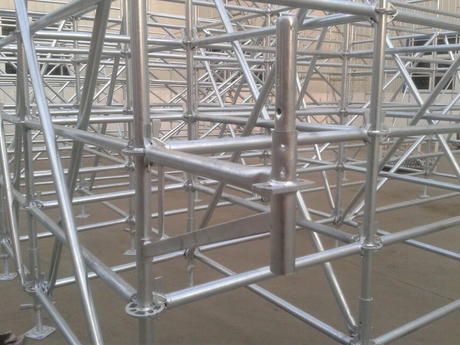
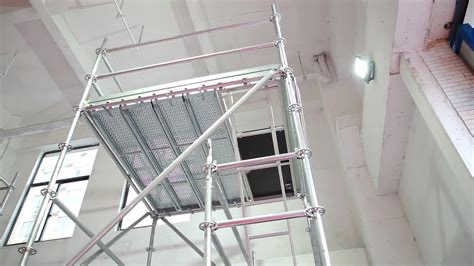
Ringlock scaffolding is a modular steel scaffolding system recognized for its high load capacity, versatility, and ease of assembly. Its main components include standards (vertical posts), ledgers (horizontal tubes), diagonal braces, base plates, platforms, guardrails, and locking pins. Each standard has rings at fixed intervals, allowing quick and secure connections for various configurations.
Key Features:
- High-strength steel or aluminum construction
- Modular design for flexible assembly
- Adjustable base plates for uneven ground
- Secure locking mechanism for fast, stable connections
While used ringlock scaffolding can offer significant cost savings and sustainability benefits, it may also present hidden risks such as corrosion, deformation, or missing components.
Regular and thorough inspection is essential to:
- Prevent structural failures and accidents
- Comply with local safety regulations
- Extend the lifespan of scaffolding components
- Ensure compatibility and completeness of the system
Preparation Before Inspection
Before inspecting used ringlock scaffolding, ensure the following:
- Competency: Only trained and competent personnel should perform inspections.
- Documentation: Gather any available inspection certificates, maintenance records, or repair logs.
- Safety Gear: Wear appropriate PPE-hard hats, gloves, safety boots, and high-visibility vests.
- Clear Area: Ensure the inspection zone is free from debris and unauthorized personnel.
Step-by-Step Inspection Process
1. Check for Certification and Documentation
- Verify that the scaffolding has been inspected and certified for use.
- Review previous inspection reports and maintenance records.
- Ensure compliance with local standards (e.g., EN 12810, EN 12811, OSHA).
2. Visual Inspection of Components
A. Standards (Vertical Posts)
- Look for bends, dents, cracks, or corrosion, especially at welds and ring joints.
- Check that rings are intact and securely welded.
- Confirm the straightness of each post.
- Inspect for straightness, surface damage, and corrosion.
- Ensure forged blade ends are not bent or worn.
- Confirm that locking mechanisms engage fully and securely.
C. Platforms and Planks
- Check for cracks, splits, or excessive wear.
- Ensure platforms are fully decked with no gaps or movement.
- Verify the presence of anti-slip surfaces.
D. Base Plates and Accessories
- Confirm base plates are flat, undamaged, and free from cracks.
- Inspect adjustable jacks for smooth operation and integrity.
E. Guardrails, Toe Boards, and Ladders
- Ensure all safety barriers are present, secure, and undamaged.
- Check that ladders and stairs are stable and free of broken rungs.
F. Locking Pins and Connectors
- Verify all locking pins are present, straight, and engage properly.
- Inspect for signs of wear, deformation, or missing parts.
G. Corrosion and Rust
- Surface rust is generally acceptable, but deep pitting or corrosion that compromises tube thickness is a safety risk.
- Pay special attention to weld points and tube ends.
3. Structural Integrity and Assembly
- Ensure all components are compatible and correctly assembled.
- Check that all connections are tight and secure with no loose or missing parts.
- Confirm bracing and tie-ins are adequate for the intended load and height.
4. Foundation and Ground Conditions
- Verify that the scaffold is placed on a stable, level foundation.
- Check for signs of shifting, settling, or water accumulation under the base plates.
- Confirm the scaffold is not overloaded and is within its rated capacity.
- Ensure all materials, tools, and workers do not exceed the allowed load limit.
6. Access and Egress
- Check that all ladders, stairways, and entryways are clear and securely installed.
- Ensure safe and unobstructed access to all working platforms.
7. Tagging and Documentation
- Use color-coded inspection tags:
- Green: Safe for use
- Yellow: Restricted use or repairs needed
- Red: Do not use until repaired
- Record the date, inspector's name, and any hazards found on the tag.
- Inspect before each shift, after any incident, or after modifications.
- Schedule periodic inspections at least every 7 days, or as required by local regulations.

Common Defects and Hazards in Used Ringlock Scaffolding
Defect Type | What to Look For | Safety Risk |
Bent/Twisted Tubes | Visible deformation, difficulty in assembly | Reduced structural integrity |
Deep Corrosion/Pitting | Rust that thins the tube wall, especially at welds | Component failure |
Missing/Worn Locking Pins | Absence or excessive wear on pins | Accidental disengagement |
Cracked Welds | Visible cracks at joints or ring welds | Sudden collapse |
Incompatible Components | Mismatched brands or sizes | Assembly failure |
Improper Repairs | Non-standard welds, modifications | Unpredictable performance |
Damaged Platforms/Planks | Splits, cracks, or missing anti-slip features | Falls or falling objects |
Documentation and Tagging
Proper documentation is critical for accountability and compliance:
- Inspection Tags: Attach visible tags to each scaffold bay indicating inspection status.
- Inspection Records: Maintain a log of all inspections, including dates, findings, and corrective actions.
- Repair Logs: Document any repairs or replacements made to components.
- Certification: Keep certificates of compliance and proof of professional inspections on file.
Best Practices and Regulatory Requirements
- Only trained personnel should erect, alter, or dismantle ringlock scaffolding.
- Never mix components from different manufacturers unless compatibility is confirmed.
- Do not overload the scaffold; always adhere to manufacturer's load ratings.
- Regularly inspect for unauthorized modifications or missing components.
- Secure access when not in use to prevent unauthorized entry.
- Follow local regulations for inspection frequency and documentation.
Additional Safety Tips for Used Ringlock Scaffolding
- Always conduct a thorough risk assessment before starting any work on scaffolding.
- Use proper signage to warn workers and visitors about scaffold use and potential hazards.
- Ensure that weather conditions are suitable for scaffold use, avoiding high winds or heavy rain.
- Train workers on emergency procedures related to scaffold accidents or failures.
Environmental Considerations
When disposing of or recycling used ringlock scaffolding components, consider environmental regulations and sustainability practices. Proper disposal of damaged or unusable parts helps reduce environmental impact and promotes responsible construction practices.
Conclusion
Inspecting used ringlock scaffolding for safety is a meticulous process that safeguards workers and ensures project success. By systematically checking every component, verifying documentation, and adhering to best practices, you mitigate risks associated with structural failure, falls, and regulatory non-compliance. Always prioritize safety, use competent inspectors, and never compromise on the integrity of your scaffolding system.

FAQ
1. What are the most common causes of ringlock scaffolding failure?
The most common causes include unstable foundations, overloading, missing or loose locking pins, and improper assembly such as insufficient bracing or incompatible components.
2. How often should used ringlock scaffolding be inspected?
Used ringlock scaffolding should be inspected before each use, after any incident or modification, and at regular intervals-typically at least every 7 days or as required by local regulations.
3. Can I mix components from different ringlock scaffolding brands?
It is generally not recommended, as components may not be compatible, potentially compromising safety and structural integrity. Always verify compatibility before mixing brands.
4. What documentation should accompany used ringlock scaffolding?
Inspection certificates, maintenance records, repair logs, and proof of compliance with relevant safety standards (such as EN 12810, EN 12811, or OSHA) should be available and up-to-date.
5. What should I do if I find a damaged or missing component during inspection?
Immediately tag the affected scaffold as unsafe (red tag), remove it from service, and arrange for repair or replacement of the damaged component before allowing use.