Content Menu
● Introduction
● What Is an Expanding Aluminum Plank?
● Tools and Materials Needed
● Step-by-Step Installation Guide
>> Preparation and Safety Measures
>> Measuring and Cutting the Plank
>> Installing the Starter Components
>> Installing the Expanding Aluminum Plank
>> Securing and Fastening
>> Handling Expansion and Contraction
● Advanced Techniques for Complex Installations
>> Installing Around Corners
>> Working with Uneven Surfaces
>> Integrating with Other Materials
● Common Installation Mistakes to Avoid
● Maintenance Tips for Installed Expanding Aluminum Planks
● Conclusion
● FAQ
>> 1. What gap should I leave for expansion when installing expanding aluminum planks?
>> 2. Can I use an impact drill to fasten the expanding aluminum plank?
>> 3. How often should I install fasteners along the plank?
>> 4. What should I do if my plank run exceeds 24 feet?
>> 5. How do I join two expanding aluminum planks together?
Expanding aluminum planks are widely used in scaffolding, construction, and industrial applications due to their lightweight, durability, and adjustable length. Proper installation of an expanding aluminum plank is essential to ensure safety, structural integrity, and long-term performance. This comprehensive guide will walk you through the step-by-step process of installing expanding aluminum planks correctly, including preparation, tools, installation techniques, and maintenance tips.
Introduction
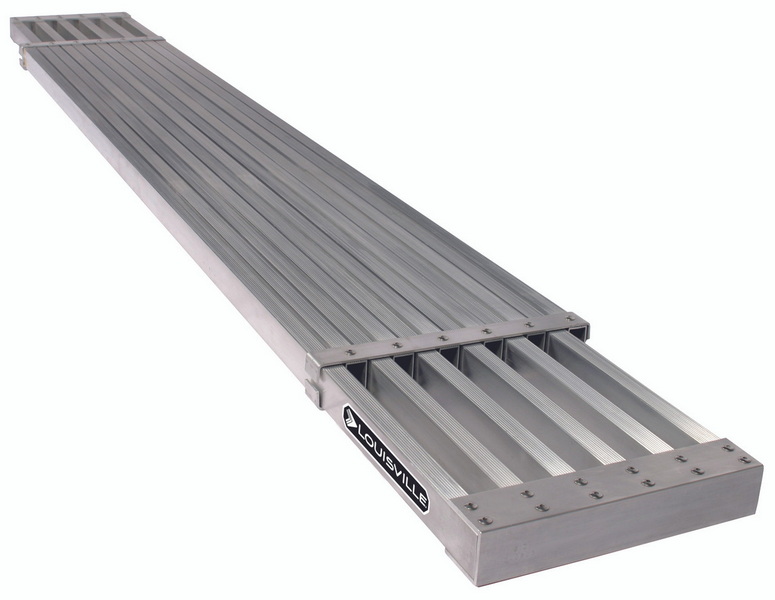
The expanding aluminum plank is a versatile platform solution designed to fit varying scaffold widths and applications. Its ability to extend and retract makes it ideal for different job site conditions. However, improper installation can lead to safety hazards, plank damage, and reduced lifespan. This article consolidates best practices from leading manufacturers and installation guides to ensure your expanding aluminum plank is installed correctly and safely.
What Is an Expanding Aluminum Plank?
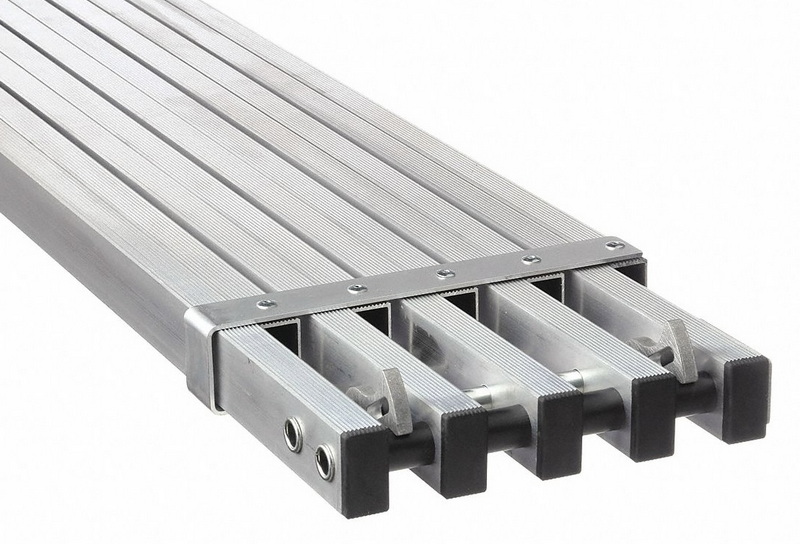
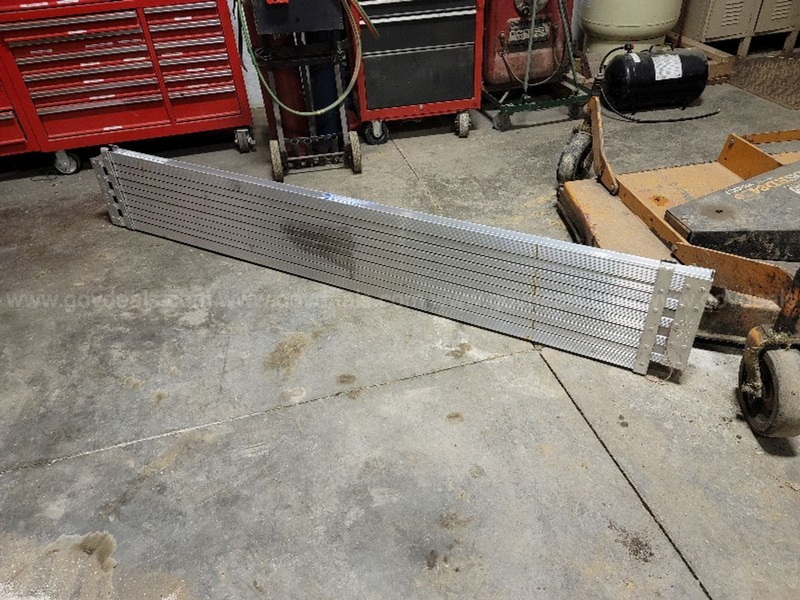
An expanding aluminum plank consists of two or more interlocking aluminum sections that slide to adjust the overall length. It is constructed from marine-grade or structural aluminum alloys, offering corrosion resistance, high strength-to-weight ratio, and slip-resistant surfaces. The plank typically includes locking mechanisms or positive stops to prevent overextension and maintain stability.
Tools and Materials Needed
Before starting installation, gather the following:
- Expanding aluminum plank (correct size and type)
- Measuring tape
- Level
- Power drill with appropriate bits (preferably non-impact for steel studs)
- Stainless steel or aluminum fasteners (screws, bolts)
- Clamps or temporary supports
- Saw with non-ferrous metal cutting blade (80-100 teeth)
- Safety equipment (gloves, eye protection, ear protection)
- Spacer blocks (for expansion gaps)
- Plank connectors or joint clips (if joining multiple planks)
- Starter J-Trim or starter strip components
- Sealant or structural adhesive (optional, for added stability)
Step-by-Step Installation Guide
Preparation and Safety Measures
1. Review Local Codes and Manufacturer Instructions
Always consult local building codes and the specific expanding aluminum plank manufacturer's installation guide. For example, AL13 and FastPlank provide detailed guides emphasizing expansion gaps and fastening patterns.
2. Ensure Proper Substrate Preparation
The wall or scaffold structure must be level, plumb, and secure. Install waterproof membranes or building wraps as required before attaching planks.
3. Wear Appropriate PPE
Use gloves, safety glasses, and hearing protection when cutting and installing aluminum planks.
Measuring and Cutting the Plank
1. Measure the Required Length
Measure the span where the plank will be installed. Remember that the expanding aluminum plank will need a gap at each end for thermal expansion, typically around 1/8” to 1/4” depending on plank length and ambient temperature.
2. Cutting the Plank
Use a compound miter saw or table saw equipped with an 80-100 tooth non-ferrous metal blade. Cut slowly to avoid burrs and heat damage. After cutting, deburr edges for safety and fit.
Installing the Starter Components
1. Install Starter J-Trim or Starter Strip
The starter strip or J-Trim is installed at the base or starting edge of the plank run. Ensure it is level and secure with fasteners spaced approximately 16” on center.
2. Leave Expansion Gaps
Maintain a 3/16” gap between the starter strip and the plank to allow for expansion and contraction.
Installing the Expanding Aluminum Plank
1. Position the Plank
Insert the bottom edge of the plank into the starter strip or J-Trim, resting it against plank backers if provided. The plank should be flush and level.
2. Extend or Retract the Plank
Adjust the plank length to fit the span, ensuring the expansion gap at both ends is maintained as per the manufacturer's chart.
3. Use Plank Connectors for Butt Joints
If joining two planks end-to-end, use a plank connector or joint clip centered on the joint to secure and align the planks.
Securing and Fastening
1. Fastener Placement
Fasten the plank using stainless steel or aluminum screws through the designated fastener slots or lines. Typically, fasteners are placed every 16” to 32” along the plank length, and no closer than 2” from plank ends.
2. Avoid Over-Tightening
Do not use impact drills on steel studs to prevent stripping screws. Tighten fasteners securely but avoid deforming the plank.
3. Locking Mechanisms
Engage any locking pins or stops to prevent overextension. Verify that these mechanisms function smoothly and securely.
Handling Expansion and Contraction
1. Maintain Proper Gaps
Aluminum expands and contracts with temperature changes. Follow the manufacturer's expansion gap chart, which correlates plank length and ambient temperature to determine total gap size.
2. Use Mid-Wall Verticals or H-Trims
For runs exceeding 24' or 32', install vertical breaks like mid-wall verticals or H-Trims to accommodate expansion without buckling.
3. Trim Installation
Install J-Trims, H-Trims, and corner trims with a 3/16” gap from the plank edges to allow movement.
Advanced Techniques for Complex Installations
Installing Around Corners
1. Miter Cuts
For corner installations, use a miter saw to cut the planks at a 45-degree angle. Secure the corners with corner trims and sealant.
2. Corner Connectors
Use specialized corner connectors designed for expanding aluminum planks to create strong, seamless corners.
Working with Uneven Surfaces
1. Shimming
If the substrate is uneven, use shims to create a level surface for the starter components. Secure the shims with construction adhesive.
2. Adjustable Brackets
Use adjustable brackets to compensate for height differences and ensure the planks are level.
Integrating with Other Materials
1. Transition Strips
When transitioning between aluminum planks and other materials (e.g., wood or concrete), use transition strips to create a smooth, safe surface.
2. Dissimilar Metals:
When integrating with other metals, use insulating barriers to prevent galvanic corrosion.
Common Installation Mistakes to Avoid
- Ignoring Expansion Gaps: Leads to buckling or warping.
- Over-Tightening Fasteners: Can deform aluminum or strip screws.
- Using Impact Drivers on Steel Studs: Causes stripped fasteners.
- Failing to Level Starter Components: Results in uneven plank installation.
- Not Using Plank Connectors on Joints: Causes misalignment and instability.
- Forgetting to Deburr Cut Edges: Leaves sharp edges, increasing safety risks.
Maintenance Tips for Installed Expanding Aluminum Planks
- Regular Inspection: Check fasteners and locking mechanisms for looseness or wear.
- Cleaning: Rinse planks with fresh water to remove dirt and debris.
- Lubrication: Apply silicone-based lubricant to moving parts.
- Re-tightening: Periodically re-tighten fasteners as needed.
- Repair: Replace damaged planks or connectors immediately.
- Checking Locking Mechanisms: Confirm proper engagement and function.
Conclusion
Proper installation of an expanding aluminum plank is critical to ensure safety, accommodate thermal expansion, and maintain aesthetic appeal. Key steps include precise measuring and cutting, installing starter components correctly, maintaining expansion gaps, and securely fastening the plank. Advanced techniques such as miter cuts and shimming can address complex installation scenarios. Avoiding common mistakes and following manufacturer guidelines will extend the lifespan of your aluminum plank system and provide a durable, safe working platform.
FAQ
1. What gap should I leave for expansion when installing expanding aluminum planks?
Typically, a 1/8” to 1/4” gap is recommended at each end of the plank, depending on the plank length and ambient temperature. Refer to the manufacturer's expansion chart for precise measurements.
2. Can I use an impact drill to fasten the expanding aluminum plank?
No. Using an impact drill on steel studs can strip screws, causing them to lose holding power. Use a standard drill with appropriate torque settings instead.
3. How often should I install fasteners along the plank?
Fasteners should be installed every 16” to 32” along the plank length, with fasteners placed no closer than 2” from plank ends.
4. What should I do if my plank run exceeds 24 feet?
Install vertical breaks such as mid-wall verticals or H-Trims to allow for expansion and contraction, preventing buckling.
5. How do I join two expanding aluminum planks together?
Use a plank connector or joint clip centered on the butt joint to align and secure the planks properly.