Content Menu
● Introduction to Aluminum Decking
● Benefits of Aluminum Decking
● Cleaning Aluminum Deck Planks
>> 1. Mild Dish Soap Solution
>> 2. Vinegar Solution
>> 3. Commercial Aluminum Cleaners
● Tips for Maintaining Aluminum Deck Planks
>> 1. Regular Sweeping
>> 2. Protective Coatings
>> 3. Inspect for Damage
>> 4. Avoid Harsh Chemicals
>> 5. Seasonal Maintenance
● Common Issues and Solutions
>> 1. Oxidation
>> 2. Scratches
>> 3. Discoloration
>> 4. Mold and Mildew
>> 5. Ice and Snow Removal
● Advanced Maintenance Techniques
>> 1. Power Washing
>> 2. Sealants and Coatings
>> 3. Regular Touch-ups
● Conclusion
● FAQ
>> 1. How Often Should I Clean My Aluminum Deck Planks?
>> 2. Can I Use Bleach on Aluminum Deck Planks?
>> 3. How Do I Remove Stubborn Stains from Aluminum Deck Planks?
>> 4. Can I Use a Pressure Washer on Aluminum Deck Planks?
>> 5. How Do I Prevent Oxidation on Aluminum Deck Planks?
● Citations:
Maintaining and cleaning aluminum deck planks is crucial to ensure they remain durable, visually appealing, and safe for use. Aluminum decking is popular due to its resistance to rot, mold, and insect damage, making it a low-maintenance option compared to traditional wood decking. However, regular cleaning and maintenance are still necessary to prevent dirt buildup and maintain the protective coating on the aluminum surface.
Introduction to Aluminum Decking
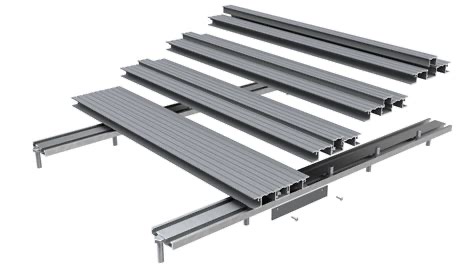
Aluminum decking is made from durable, weather-resistant materials that are ideal for outdoor use. It is lightweight, easy to install, and requires less maintenance than wood or composite decking. However, like any outdoor structure, it needs regular care to maintain its appearance and longevity.
Benefits of Aluminum Decking
- Durability: Aluminum decking is resistant to corrosion and can withstand harsh weather conditions.
- Low Maintenance: It does not require staining or sealing like wood decking.
- Sustainability: Aluminum is recyclable, making it an environmentally friendly choice.
- Fire Resistance: Aluminum decking is non-combustible, reducing the risk of fire damage.
Cleaning Aluminum Deck Planks
Cleaning aluminum deck planks involves using the right cleaning solutions and techniques to avoid damaging the surface. Here are some recommended methods:
1. Mild Dish Soap Solution
A mixture of mild dish soap and water is effective for routine cleaning. This solution is gentle and won't damage the protective coating on the aluminum.
Steps:
1. Mix a small amount of mild dish soap with warm water.
2. Use a soft-bristled brush or mop to gently scrub the deck planks.
3. Rinse thoroughly with clean water to remove any soap residue.
2. Vinegar Solution
For tougher stains or to disinfect the deck, a vinegar solution can be used.
Steps:
1. Mix equal parts white vinegar and water.
2. Apply the solution using a sponge or soft cloth.
3. Gently scrub the surface, then rinse thoroughly with water.
3. Commercial Aluminum Cleaners
For more stubborn stains or oxidation, commercial aluminum cleaners are available. Always follow the manufacturer's instructions.
Steps:
1. Spray the cleaner onto the deck planks.
2. Let it sit for the recommended time.
3. Rinse thoroughly with water.
Tips for Maintaining Aluminum Deck Planks
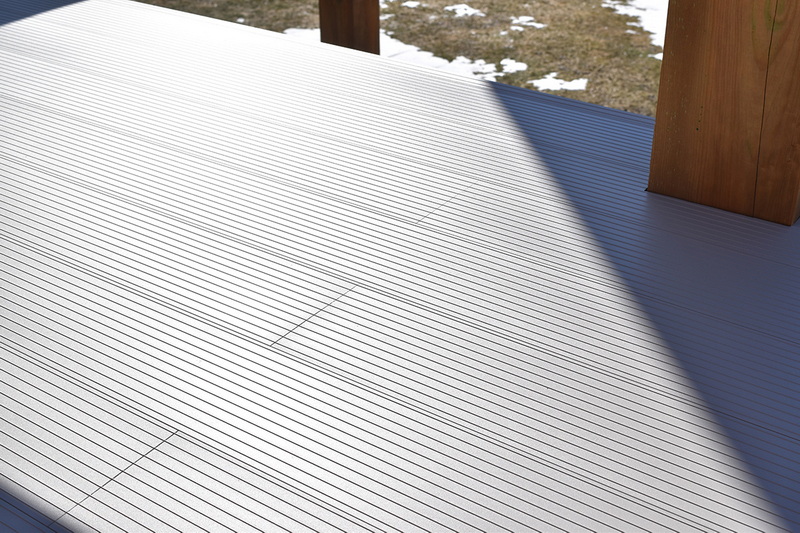
Regular maintenance is key to extending the lifespan of your aluminum deck planks.
1. Regular Sweeping
Use a broom or leaf blower to remove debris regularly. This prevents dirt from accumulating and staining the deck.
2. Protective Coatings
Apply a UV-resistant protective coating to safeguard against fading and discoloration. These coatings can also enhance the appearance of the deck.
3. Inspect for Damage
Regularly inspect the deck for signs of damage, such as loose screws or dents. Address these issues promptly to prevent further damage.
4. Avoid Harsh Chemicals
Never use bleach, ammonia, or other harsh chemicals, as they can damage the aluminum surface or its protective coating.
5. Seasonal Maintenance
Perform a thorough cleaning and inspection at the start of each season to ensure your deck is ready for use.
Common Issues and Solutions
1. Oxidation
Oxidation can occur over time, leading to a dull appearance. Use a commercial aluminum cleaner to restore the shine.
2. Scratches
Avoid using abrasive cleaners or tools that can scratch the aluminum surface. For existing scratches, consult a professional for repair.
3. Discoloration
Discoloration can be caused by improper cleaning products. Always test a small area before using any cleaner.
4. Mold and Mildew
Regular cleaning can prevent mold and mildew growth. Use a solution of water and bleach-free mold remover if needed.
5. Ice and Snow Removal
Use a snow shovel with a rubber edge to remove snow without scratching the deck. Avoid using salt or ice melters, as they can damage the aluminum.
Advanced Maintenance Techniques
For those looking to enhance their maintenance routine, consider the following advanced techniques:
1. Power Washing
Use a low-pressure power washer to clean large areas quickly. Always test a small area first to ensure the pressure won't damage the deck.
2. Sealants and Coatings
Apply a clear sealant to protect the deck from UV rays and enhance its appearance. This can also help prevent oxidation.
3. Regular Touch-ups
Regularly inspect and touch up any damaged or worn-out areas to maintain the deck's integrity.
Conclusion
Maintaining and cleaning aluminum deck planks is straightforward with the right techniques and cleaning solutions. Regular cleaning and inspections ensure your deck remains safe, durable, and visually appealing. By following these guidelines, you can enjoy your aluminum deck for years to come.
FAQ
1. How Often Should I Clean My Aluminum Deck Planks?
Regular cleaning depends on usage and environmental conditions. Generally, clean your deck every 2-3 months or as needed.
2. Can I Use Bleach on Aluminum Deck Planks?
Avoid using bleach, as it can damage the protective coating. Instead, use oxygen bleach for tough stains, following the manufacturer's instructions.
3. How Do I Remove Stubborn Stains from Aluminum Deck Planks?
For stubborn stains, use a mixture of powdered laundry detergent and gentle household cleaner. Always rinse thoroughly afterward.
4. Can I Use a Pressure Washer on Aluminum Deck Planks?
Yes, but use a low-pressure setting to avoid damaging the surface. Always test a small area first.
5. How Do I Prevent Oxidation on Aluminum Deck Planks?
Regular cleaning and applying a protective coating can help prevent oxidation. Use commercial cleaners specifically designed for aluminum to restore shine.
Citations:
[1] https://tradewarehouse.co.uk/blogs/decking/essential-tools-and-products-for-maintaining-aluminium-decking-boards
[2] https://uglydeck.com/how-to-clean-aluminum-deck-railing/
[3] https://www.sohu.com/a/126276564_155881
[4] https://uniqueoutdoorlivinggroup.com/blogs/maintenance-tips-for-your-aluminium-decking/
[5] https://www.timbertech.com/wp-content/uploads/2020/03/TT_Care_Cleaning_Guide.pdf
[6] https://patents.google.com/patent/CN109184036B/zh
[7] https://www.rynosystems.com/wp-content/uploads/2024/02/Ryno-Aluminium-Decking-Systems-OM-Manual.pdf?x78643
[8] https://workingbyhand.wordpress.com/2020/09/11/10-years-with-the-aluminum-deck/
[9] https://www.sohu.com/a/137914881_578753