Content Menu
● Introduction to Tube and Coupler Scaffolding
● Components of Tube and Coupler Scaffolding
● Steps for Installing Tube and Coupler Scaffolding
>> 1. Pre-Installation Planning
>> 2. Setting Up the Base
>> 3. Erecting Vertical Posts
>> 4. Adding Horizontal Bearers and Platforms
>> 5. Final Checks and Inspections
● Safety Considerations
● Benefits of Tube and Coupler Scaffolding
● Advanced Techniques for Complex Installations
● Maintenance and Dismantling
● Conclusion
● FAQ
>> 1. What are the essential components of tube and coupler scaffolding?
>> 2. How do you ensure the stability of tube and coupler scaffolding?
>> 3. What safety measures should be taken when installing tube and coupler scaffolding?
>> 4. What are the benefits of using tube and coupler scaffolding in construction projects?
>> 5. How often should tube and coupler scaffolding be inspected?
● Citations:
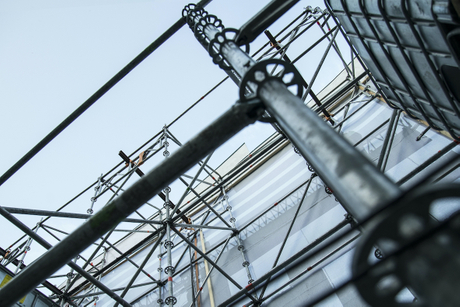
Tube and coupler scaffolding is a versatile and reliable system used extensively in the construction industry. Its ability to support heavy loads and adapt to complex building shapes makes it a preferred choice for many projects. Proper installation is crucial to ensure safety and efficiency on construction sites. In this article, we will guide you through the steps and considerations necessary for the correct installation of tube and coupler scaffolding.
Introduction to Tube and Coupler Scaffolding
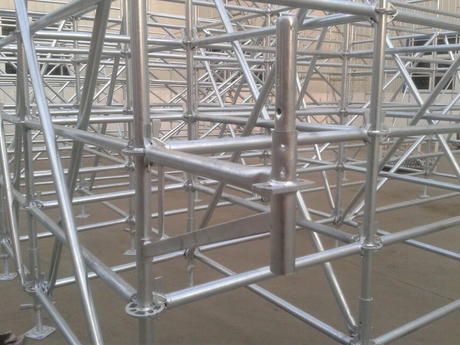
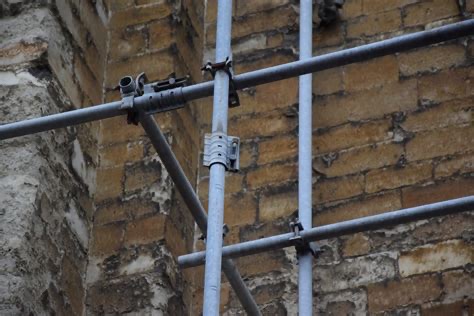
Tube and coupler scaffolding systems consist of vertical tubes, horizontal bearers, and diagonal bracing, all connected using couplers. These systems are renowned for their strength and adaptability, making them ideal for complex construction projects.
Components of Tube and Coupler Scaffolding
- Scaffold Tubes: These are the primary structural elements, available in various lengths and diameters.
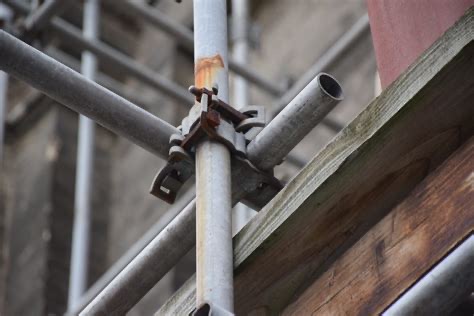
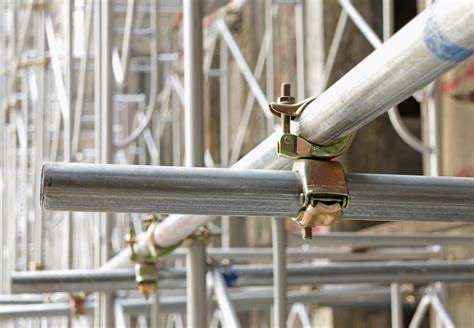
- Couplers: Devices used to connect tubes together. Common types include right-angle couplers, swivel couplers, sleeve couplers, and putlog couplers.
- Base Plates: Used to stabilize the scaffolding at ground level.
- Guardrails and Toeboards: Essential safety features to prevent falls and dropped objects.
Steps for Installing Tube and Coupler Scaffolding
1. Pre-Installation Planning
Before starting the installation, conduct a thorough hazard assessment to identify potential risks and ensure compliance with safety standards. This includes evaluating the ground conditions, ensuring that the scaffolding design can support the intended loads, and planning the scaffolding layout to fit the project's requirements.
2. Setting Up the Base
1. Level Ground: Ensure the ground is level and stable. Use base plates or sole boards if necessary to stabilize the structure on uneven surfaces.
2. Base Plates: Install base plates under each post to distribute the weight evenly and prevent sinking into soft ground.
3. First Level Assembly: Assemble the first level of the scaffolding, ensuring that all couplers are securely tightened.
3. Erecting Vertical Posts
1. Plumb and Level: Ensure that all vertical posts are plumb and level to prevent swaying.
2. Bracing: Install diagonal bracing as close to the base as possible to enhance stability.
3. Vertical Intervals: Ensure that horizontal members are erected at intervals not exceeding six and a half feet.
4. Adding Horizontal Bearers and Platforms
1. Bearer Installation: Install bearers between vertical posts to support platforms.
2. Platform Assembly: Lay scaffolding planks on bearers, ensuring they are securely fastened.
3. Guardrails and Toeboards: Install guardrails and toeboards around all platforms to prevent falls.
5. Final Checks and Inspections
1. Tighten All Connections: Ensure all couplers and connections are securely tightened.
2. Regular Inspections: Conduct daily inspections to check for any signs of wear or damage.
3. Load Capacity: Ensure that the scaffolding is not overloaded beyond its capacity.
Safety Considerations
Safety is paramount when working with tube and coupler scaffolding. Key considerations include:
- Proper Assembly: Ensure that the scaffolding is correctly assembled and securely anchored.
- Quality Materials: Use high-quality steel construction and reliable couplers.
- Worker Training: Provide comprehensive training to workers on the safe use and assembly of the scaffolding.
- Regular Inspections: Conduct regular inspections to check for any signs of wear, damage, or instability.
Benefits of Tube and Coupler Scaffolding
Tube and coupler scaffolding offers several benefits:
- Versatility: Can be adapted to fit complex building shapes.
- Heavy-Duty Load Capacity: Supports significant loads and multiple platforms.
- Efficiency: Allows for quick assembly and disassembly, saving time and labor costs.
Advanced Techniques for Complex Installations
For projects requiring complex scaffolding configurations, such as irregularly shaped buildings or structures with multiple levels, advanced techniques may be necessary:
- Customized Designs: Create customized scaffolding designs to fit unique building shapes.
- Specialized Couplers: Use specialized couplers, like swivel couplers, to achieve complex angles.
- Expert Consultation: Consult with experienced scaffolding experts to ensure that the design meets safety standards and project requirements.
Maintenance and Dismantling
After the project is completed, proper dismantling and maintenance of the scaffolding are crucial:
- Dismantling: Dismantle the scaffolding systematically, ensuring that all components are safely removed.
- Cleaning and Storage: Clean and store all components properly to maintain their condition for future use.
- Inspection Before Storage: Inspect all components before storage to identify any damage or wear.
Conclusion
Proper installation of tube and coupler scaffolding is crucial for ensuring safety and efficiency on construction sites. By following the steps outlined in this guide and adhering to safety standards, construction teams can create stable and reliable scaffolding systems that support the demands of various projects.
FAQ
1. What are the essential components of tube and coupler scaffolding?
The essential components include scaffold tubes, couplers (such as right-angle, swivel, and sleeve couplers), base plates, and safety features like guardrails and toeboards.
2. How do you ensure the stability of tube and coupler scaffolding?
Stability is ensured by using level ground, installing base plates, plumb and level vertical posts, and securing all couplers tightly. Regular inspections are also crucial to identify any potential issues.
3. What safety measures should be taken when installing tube and coupler scaffolding?
Key safety measures include conducting hazard assessments, using high-quality materials, providing worker training, and ensuring regular inspections to maintain safety standards.
4. What are the benefits of using tube and coupler scaffolding in construction projects?
Benefits include versatility in adapting to complex building shapes, heavy-duty load capacity, and efficiency in assembly and disassembly, which saves time and labor costs.
5. How often should tube and coupler scaffolding be inspected?
Scaffolding should be inspected daily and before each use to check for signs of wear, damage, or instability. Regular inspections are vital to maintaining safety standards.
Citations:
[1] https://scaffoldtype.com/tube-and-coupler-scaffolding/
[2] https://nac-hvac.com/wp-content/uploads/2020/06/OSHA_FS-Scaffold.pdf
[3] https://www.osha.gov/sites/default/files/publications/OSHA_FS-3760.pdf
[4] https://www.osha.gov/sites/default/files/publications/OSHA_FS-3759.pdf
[5] https://safetyeducations.com/tube-and-coupler-scaffolds/
[6] https://aaitscaffold.com/scaffolding-hazards/what-are-scaffolding-hazards-at-construction-sites-and-how-can-those-be-prevented/
[7] https://www.youtube.com/watch?v=ZM6Tlh_NAnQ
[8] https://www.osha.gov/etools/scaffolding/supported/tube-coupler