Content Menu
● Introduction
● Safety First: Preparation and Inspection
● Tools and Components Checklist
● Step-by-Step Guide to Erecting a Tower Scaffold
>> 1. Prepare the Base
>> 2. Assemble the First Level
>> 3. Install Platforms
>> 4. Add Additional Levels
>> 5. Install Guardrails and Toe Boards
>> 6. Final Inspection
● Essential Safety Protocols
● Common Mistakes to Avoid
● Advanced Tips for Efficient Scaffold Assembly
● Maintenance and Storage of Tower Scaffolds
● Conclusion
● FAQ
>> 1. What is the safest way to access the working platform on a tower scaffold?
>> 2. How often should a tower scaffold be inspected?
>> 3. When are outriggers or stabilizers required?
>> 4. Can I move a tower scaffold while someone is on it?
>> 5. What should I do if I find a damaged component during assembly?
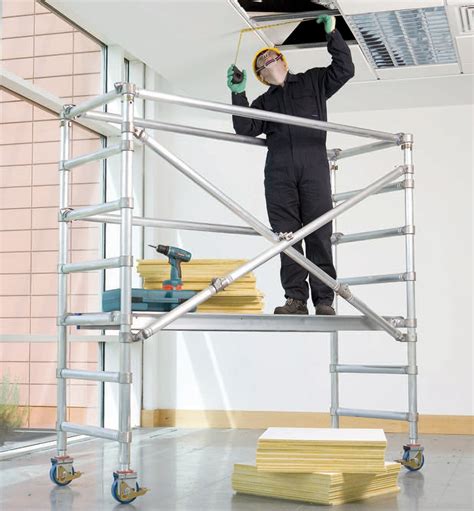
Putting up a tower scaffold is a fundamental skill for anyone involved in construction, maintenance, or renovation at height. This comprehensive guide walks you through every stage of erecting a tower scaffold, from preparation and safety checks to step-by-step assembly. Whether you are a DIY enthusiast or a professional contractor, following these procedures ensures both efficiency and safety.
Introduction
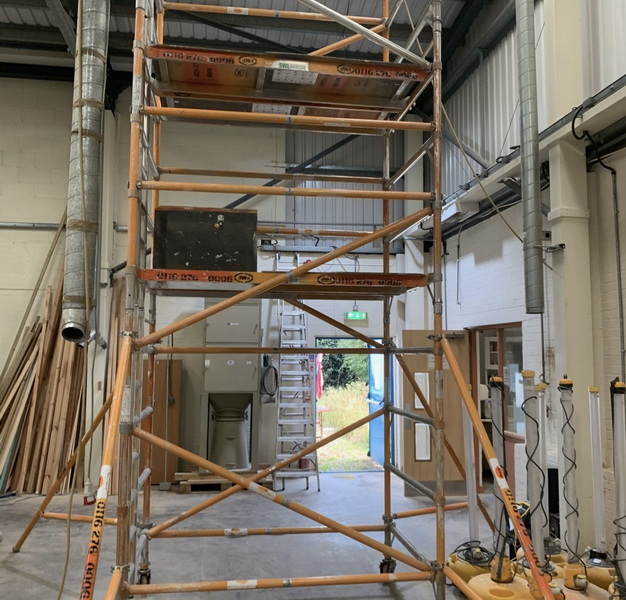
A tower scaffold, also known as a mobile access tower, is a temporary structure designed for safe work at height. Proper assembly is crucial to prevent accidents and ensure compliance with safety regulations. This article provides a detailed, illustrated guide to putting up a tower scaffold, including best practices and answers to frequently asked questions.
Safety First: Preparation and Inspection
Before you begin, prioritize safety:
- Inspect the Work Area: Ensure the ground is level, stable, and free from hazards such as debris, holes, or overhead obstructions.
- Personal Protective Equipment (PPE): Wear a hard hat, gloves, and non-slip footwear.
- Training: Only trained and authorized personnel should erect and use tower scaffolds.
- Component Inspection: Check all scaffold parts for damage, wear, or missing elements. Do not use any defective components.
- Manufacturer's Instructions: Always follow the specific instructions provided by the scaffold manufacturer.
A safe work environment is the foundation of any successful scaffolding project. Before starting assembly, clear the area of unnecessary tools and materials to avoid tripping hazards. If working outdoors, check the weather forecast and avoid erecting scaffolds during high winds or storms.
Tools and Components Checklist
Before assembly, gather all necessary components and tools:
- Scaffold frames (ladder and span frames)
- Horizontal and diagonal braces
- Platforms (with trap doors for access)
- Guardrails and toe boards
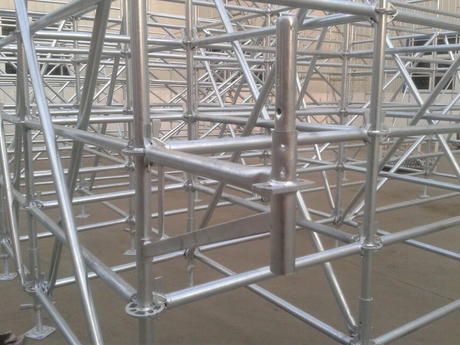
- Casters (for mobile towers) or base plates (for stationary towers)
- Locking pins and couplers
- Spirit level
- Adjustable base jacks (if required)
- Access ladder
It's also helpful to have a checklist or inventory sheet to ensure no parts are missing before beginning assembly. Keeping spare parts, such as locking pins or couplers, on hand can prevent delays if a component is found to be damaged or lost during setup.
Step-by-Step Guide to Erecting a Tower Scaffold
1. Prepare the Base
- For mobile towers, insert the casters into the base frames and lock the wheel brakes.
- For stationary towers, use adjustable base plates or jacks for leveling.
- Ensure the base is square and level using a spirit level.
A solid, level base is essential for the safety and stability of the scaffold. If the ground is uneven, use timber boards or base plates to distribute the load and prevent the scaffold from sinking or tilting.
2. Assemble the First Level
- Attach horizontal braces to the vertical frames just above the first rung. This stabilizes the frame and prevents tipping.
- Stand up the opposite base end frame and connect the horizontal braces.
- Install a diagonal brace to opposite uprights for added rigidity.
- Double-check that the base is square and level.
3. Install Platforms
- Place the first platform on the top rung of the base frame.
- For towers with trap doors, position the platform with the trap door aligned with the ladder frame for safe access.
- Secure platforms with wind locks or other locking mechanisms.
4. Add Additional Levels
- Continue adding frames and braces, repeating the process for each level.
- Hoist end frames to the next level, ensuring ladder steps align for continuous access.
- Attach cross braces and install the platform at each new level.
- For towers above 2 meters, fit outriggers or stabilizers for added stability.
5. Install Guardrails and Toe Boards
- Once the desired working height is reached, install guardrails on all four sides of the platform.
- Fit toe boards to prevent tools or materials from falling.
6. Final Inspection
- Conduct a thorough inspection of the assembled tower.
- Ensure all locking mechanisms are engaged, braces are secure, and the structure is stable.
- Place a safety tag indicating the scaffold is safe for use.
Essential Safety Protocols
- Weekly Inspections: Regularly inspect the scaffold for hazards or damage.
- After Incidents: Always inspect the scaffold after any incident or adverse weather.
- Load Limits: Never exceed the manufacturer's specified load capacity.
- Access: Always use the internal ladder; never climb the outside of the tower.
- Moving the Tower: Do not move the scaffold with workers or materials on it.
- Outriggers: Use outriggers or stabilizers when required, especially for tall or mobile towers.
Additionally, ensure that all workers are aware of emergency procedures and have access to first aid equipment. Display warning signs around the work area to alert others to the presence of the scaffold.
Common Mistakes to Avoid
- Skipping Inspections: Failing to inspect components and the assembled tower can lead to accidents.
- Improper Bracing: Missing or incorrectly installed braces compromise stability.
- Overloading: Exceeding load limits can cause collapse.
- Ignoring Manufacturer's Instructions: Always follow the specific guidance for your scaffold model.
- Unsafe Access: Climbing the outside of the tower is dangerous and prohibited.
Another frequent error is not securing the working platform with wind locks, which can result in the platform shifting or being blown off in strong winds. Always double-check that all locking mechanisms are engaged before use.
Advanced Tips for Efficient Scaffold Assembly
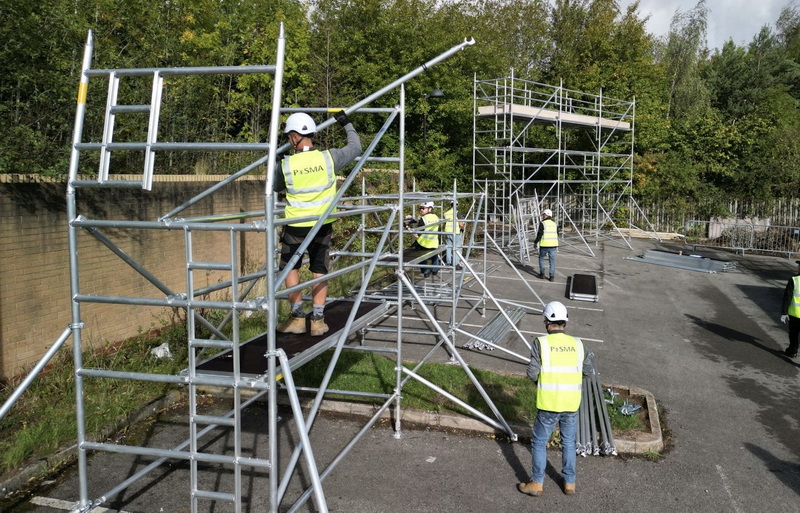
- Work in Teams: Erecting a scaffold is safer and faster with at least two people. One person can stabilize frames while the other attaches braces and platforms.
- Organize Components by Level: Lay out all parts for each level before starting assembly. This minimizes movement and speeds up the process.
- Use Color Coding: Some scaffolding systems use color-coded braces and frames for quick identification, reducing assembly errors.
- Pre-Assembly Checks: Before starting, verify that all locking pins, couplers, and braces are compatible and in good condition.
- Weather Awareness: If working outdoors, monitor wind speeds. High winds can destabilize tall towers, so postpone assembly if gusts exceed safe limits recommended by the manufacturer.
Maintenance and Storage of Tower Scaffolds
Proper maintenance extends the life of your scaffold and ensures safety for future use:
- Cleaning: After each use, clean all components to remove dirt, concrete, or paint splashes that could cause slippage or corrosion.
- Inspection: Regularly check for bent frames, cracked welds, or corroded parts. Replace any damaged components immediately.
- Storage: Store scaffold parts in a dry, sheltered area. Stack frames and platforms neatly to prevent warping or damage.
- Lubrication: Apply a light oil to moving parts such as casters and locking mechanisms to keep them functioning smoothly.
Routine maintenance not only improves safety but also helps you comply with industry regulations and manufacturer warranties.
Conclusion
Erecting a tower scaffold safely and efficiently requires careful preparation, the right tools and components, and strict adherence to safety protocols. By following the step-by-step guide, utilizing visual aids, and maintaining a commitment to safety, you can ensure a secure working environment for yourself and your team. Regular inspections, proper training, and compliance with manufacturer and regulatory standards are essential for preventing accidents and maximizing productivity.Remember, a well-maintained and correctly assembled tower scaffold is not just a tool for reaching heights—it's a critical component of workplace safety.
FAQ
1. What is the safest way to access the working platform on a tower scaffold?
The safest way is to use the internal ladder and the 3T (Through the Trapdoor) method, which involves climbing through a trap door onto the platform rather than climbing the outside of the tower.
2. How often should a tower scaffold be inspected?
A scaffold should be inspected before first use, weekly during use, and after any incident or severe weather to ensure ongoing safety.
3. When are outriggers or stabilizers required?
Outriggers are required for mobile towers above 2 meters or when the height exceeds three times the base width. They provide additional stability and prevent tipping.
4. Can I move a tower scaffold while someone is on it?
No, never move the scaffold with workers or materials on it. Always clear the platform before relocating the tower to prevent accidents.
5. What should I do if I find a damaged component during assembly?
Do not use any damaged or defective parts. Replace them immediately and report the issue to your supervisor or supplier to maintain safety standards.