Content Menu
● Understanding Aluminum Scaffolding Platforms
● Safety Considerations
>> 1. Load Capacity
>> 2. Fall Protection
>> 3. Proper Assembly
>> 4. Regular Inspections
● Proper Use of Aluminum Scaffolding Platforms
>> 1. Training
>> 2. Access and Egress
>> 3. Platform Stability
>> 4. Weather Considerations
● Maintenance of Aluminum Scaffolding Platforms
>> 1. Regular Cleaning
>> 2. Inspection and Repair
>> 3. Proper Storage
>> 4. Lubrication
● Best Practices for Aluminum Scaffolding Platform Safety
>> 1. Toolbox Talks
>> 2. Personal Protective Equipment (PPE)
>> 3. Housekeeping
>> 4. Communication
● Case Studies: Successful Use of Aluminum Scaffolding Platforms
>> Case Study 1: High-Rise Building Maintenance
>> Case Study 2: Bridge Inspection
>> Case Study 3: Event Staging
● Market Trends and Future Developments
● Comparison with Other Scaffolding Materials
● Environmental Benefits
● Conclusion
● FAQ
>> 1. How often should aluminum scaffolding platforms be inspected?
>> 2. Can aluminum scaffolding platforms be used in all weather conditions?
>> 3. What is the maximum load capacity for an aluminum scaffolding platform?
>> 4. How long does an aluminum scaffolding platform typically last?
>> 5. Is special training required to assemble and use aluminum scaffolding platforms?
● Citations:
Aluminum scaffolding platforms are essential tools in construction and maintenance work, providing a safe and stable working surface at heights. This comprehensive guide will explore the proper use, maintenance, and safety considerations for aluminum scaffolding platforms to ensure worker safety and project efficiency.
Understanding Aluminum Scaffolding Platforms
Aluminum scaffolding platforms are lightweight, durable, and corrosion-resistant structures used to provide temporary work surfaces at various heights. They offer several advantages over traditional steel scaffolding, including:
- Lighter weight for easier transport and assembly
- Resistance to rust and corrosion
- High strength-to-weight ratio
- Versatility in applications
Safety Considerations
Safety is paramount when working with aluminum scaffolding platforms. Here are key safety considerations:
1. Load Capacity
Aluminum scaffolding platforms must support at least four times the maximum intended load without failure. Always adhere to the manufacturer's specified load limits to prevent accidents.
2. Fall Protection
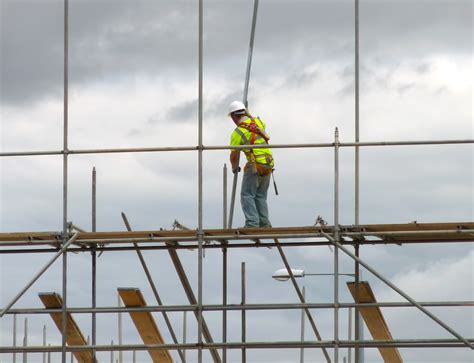
OSHA requires fall protection for workers on scaffolds more than 10 feet above a lower level. This can include:
- Guardrails (38-45 inches high)
- Personal fall arrest systems
- Safety nets
3. Proper Assembly
Ensure that only competent persons assemble, dismantle, or alter the scaffolding. Follow the manufacturer's instructions and any relevant safety guidelines, such as those provided by the National Access and Scaffolding Confederation (NASC).
4. Regular Inspections
Conduct thorough inspections of the aluminum scaffolding platform:
- Before each work shift
- After any occurrence that could affect its structural integrity
- At regular intervals as required by local regulations
Proper Use of Aluminum Scaffolding Platforms
To ensure safe and effective use of aluminum scaffolding platforms, follow these guidelines:
1. Training
All workers using the scaffolding must receive proper training on:
- Safe assembly and disassembly procedures
- Proper use of fall protection equipment
- Recognition of potential hazards
- Maximum load capacities
2. Access and Egress
Provide safe means of access to and from the scaffolding platform, such as:
- Properly secured ladders
- Stairway-type ladders
- Walkways
3. Platform Stability
Ensure the stability of the aluminum scaffolding platform by:
- Using base plates and mudsills on firm, level ground
- Installing guys, ties, or braces as required
- Maintaining a height-to-base ratio of no more than 4:1 for freestanding scaffolds
4. Weather Considerations
Do not use aluminum scaffolding platforms in adverse weather conditions, such as:
- High winds (over 40 mph)
- Heavy rain or snow
- Icy conditions
Maintenance of Aluminum Scaffolding Platforms
Proper maintenance is crucial for the longevity and safety of aluminum scaffolding platforms. Follow these maintenance practices:
1. Regular Cleaning
Clean the scaffolding components regularly to remove dirt, debris, and any corrosive substances.
2. Inspection and Repair
Conduct regular inspections to identify:
- Bent or damaged components
- Loose connections
- Signs of wear or corrosion
Replace or repair any damaged parts immediately.
3. Proper Storage
When not in use, store aluminum scaffolding components:
- In a dry, covered area
- Away from corrosive materials
- Organized for easy inventory and inspection
4. Lubrication
Lubricate moving parts, such as casters and adjustable legs, to ensure smooth operation and prevent rust.
Best Practices for Aluminum Scaffolding Platform Safety
To further enhance safety when using aluminum scaffolding platforms, consider these best practices:
1. Toolbox Talks
Conduct regular toolbox talks to reinforce safety procedures and address any concerns or questions from workers.
2. Personal Protective Equipment (PPE)
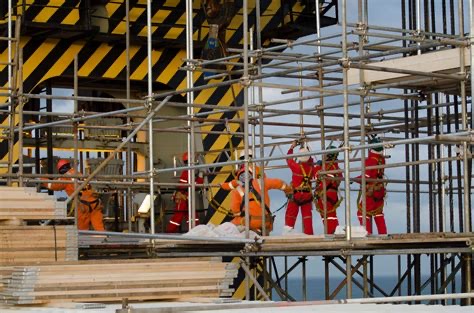
Ensure all workers use appropriate PPE, including:
- Hard hats
- Non-slip footwear
- Gloves
- Safety glasses
3. Housekeeping
Maintain a clean and organized work area on the scaffolding platform to prevent trips and falls.
4. Communication
Establish clear communication protocols for workers on the scaffolding and those on the ground.
Case Studies: Successful Use of Aluminum Scaffolding Platforms
Case Study 1: High-Rise Building Maintenance
A maintenance company successfully used aluminum scaffolding platforms to perform exterior repairs on a 30-story building. The lightweight nature of the aluminum scaffolding allowed for quick assembly and disassembly, reducing project time and costs.
Case Study 2: Bridge Inspection
Engineers utilized aluminum scaffolding platforms to inspect and repair a large suspension bridge. The corrosion-resistant properties of aluminum proved invaluable in the marine environment, ensuring worker safety and equipment longevity.
Case Study 3: Event Staging
Aluminum scaffolding platforms were used to create temporary stages for an outdoor concert. Their lightweight design and ease of assembly enabled rapid setup and teardown, meeting tight event timelines.
Market Trends and Future Developments
The scaffolding industry is evolving with advancements in technology and changing regulatory requirements. Trends include:
1. Increased Use of Sustainable Materials: Suppliers are focusing on eco-friendly materials to reduce environmental impact.
2. Integration of Digital Technologies: Some suppliers are adopting digital tools for inventory management and customer service.
3. Enhanced Safety Features: New designs and materials are being developed to improve safety standards.
Comparison with Other Scaffolding Materials
| Material |
Strength |
Durability |
Cost |
| Aluminum |
High |
Excellent |
Moderate |
| Steel |
Very High |
Excellent |
High |
| Wood |
Medium |
Fair |
Low |
| Composite |
Medium-High |
Good |
Moderate |
Environmental Benefits
Aluminum scaffolding platforms offer environmental benefits compared to traditional materials:
1. Recyclability: Aluminum can be recycled indefinitely without losing its quality.
2. Longevity: Longer lifespan reduces waste generation.
3. Sustainability: Using aluminum reduces the need for deforestation associated with wooden scaffolding production.
Conclusion
Aluminum scaffolding platforms offer numerous advantages for construction and maintenance work at heights. By following proper safety procedures, usage guidelines, and maintenance practices, workers can maximize the benefits of these versatile structures while minimizing risks. Regular training, inspections, and adherence to manufacturer specifications are key to ensuring the safe and effective use of aluminum scaffolding platforms.
FAQ
1. How often should aluminum scaffolding platforms be inspected?
Aluminum scaffolding platforms should be inspected before each work shift, after any event that could affect their structural integrity, and at regular intervals as required by local regulations. A competent person should conduct these inspections to ensure the scaffolding remains safe for use.
2. Can aluminum scaffolding platforms be used in all weather conditions?
No, aluminum scaffolding platforms should not be used in adverse weather conditions such as high winds (over 40 mph), heavy rain or snow, or icy conditions. These conditions can compromise the stability of the scaffolding and pose significant safety risks to workers.
3. What is the maximum load capacity for an aluminum scaffolding platform?
The maximum load capacity varies depending on the specific model and manufacturer specifications. However, OSHA requires that scaffolds support at least four times the maximum intended load without failure. Always refer to the manufacturer's guidelines for the exact load capacity of your aluminum scaffolding platform.
4. How long does an aluminum scaffolding platform typically last?
With proper maintenance and care, an aluminum scaffolding platform can last for many years. The corrosion-resistant properties of aluminum contribute to its longevity. However, the lifespan can vary depending on usage frequency, environmental conditions, and maintenance practices.
5. Is special training required to assemble and use aluminum scaffolding platforms?
Yes, OSHA requires that workers who assemble, use, or dismantle scaffolding receive proper training. This training should cover safe assembly and disassembly procedures, proper use of fall protection equipment, recognition of potential hazards, and understanding of load capacities. Only competent persons should be responsible for scaffolding assembly, alteration, and dismantling.
Citations:
[1] https://safetyculture.com/topics/scaffolding-safety/
[2] https://msafegroup.com/your-guide-to-aluminium-scaffolding-safety-the-dos-donts/
[3] https://www.scaffoldingsolutions.com/articles/recent-scaffolding-safety-guidelines/
[4] https://www.tdi.texas.gov/tips/safety/scaffolding.html
[5] https://www.hse.gov.uk/construction/safetytopics/scaffoldinginfo.htm
[6] https://www.assp.org/news-and-articles/guidelines-for-scaffolding-safety
[7] https://www.flyability.com/blog/scaffolding
[8] https://www.highspeedtraining.co.uk/hub/scaffolding-safety-requirements/