Content Menu
● Introduction to Ladder and Scaffolding Safety
>> Importance of Safety
>> Safety Training
● Steps to Secure a Ladder to Scaffolding
● Regulatory Requirements
● Best Practices for Ladder and Scaffolding Safety
● Advanced Safety Measures
● Case Studies: Successful Safety Implementations
● Conclusion
● FAQ
>> 1. What is the recommended angle for positioning a ladder?
>> 2. How should ladders be secured to scaffolding?
>> 3. What are the OSHA requirements for ladder extension on scaffolding?
>> 4. Why is regular inspection important for ladders and scaffolding?
>> 5. What are some best practices for enhancing ladder and scaffolding safety?
● Citations:
Securing a ladder to scaffolding is a critical safety measure in construction and maintenance work. It ensures that workers can safely access different levels of the scaffold without risking falls or accidents. In this article, we will explore the steps and guidelines for securing a ladder to scaffolding, including safety tips, regulatory requirements, and best practices.
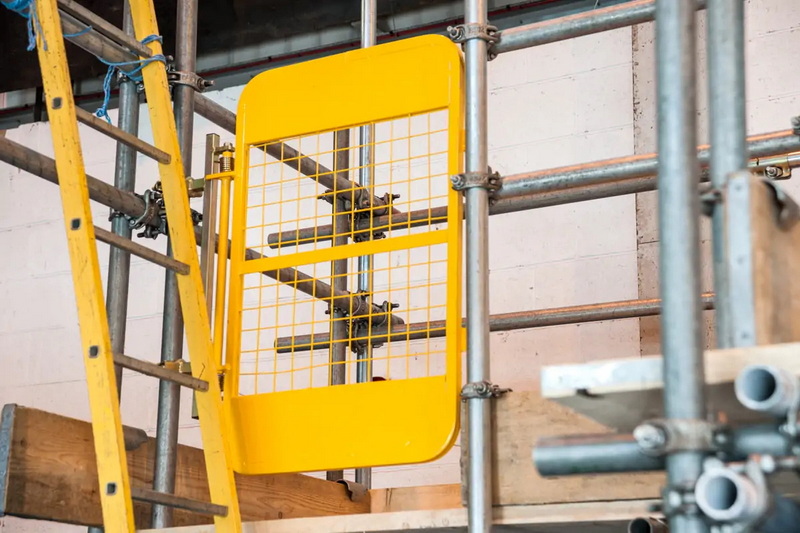
Introduction to Ladder and Scaffolding Safety
Ladders and scaffolding are essential tools in construction, allowing workers to reach high areas safely. However, they can also pose significant risks if not used properly. Falls from ladders and scaffolding are among the most common causes of injuries and fatalities on construction sites. Therefore, understanding how to secure a ladder to scaffolding is crucial for maintaining a safe working environment.
Importance of Safety
Safety should always be the top priority when working with ladders and scaffolding. This includes ensuring that all equipment is in good condition, that workers are properly trained, and that safety regulations are strictly followed. Regular safety training and drills can help workers understand the risks and take necessary precautions.
Safety Training
Safety training programs should cover topics such as:
- Proper Ladder Use: How to correctly position and secure ladders.
- Scaffolding Setup: How to assemble and dismantle scaffolding safely.
- Fall Protection: Use of harnesses and other fall protection equipment.
Steps to Secure a Ladder to Scaffolding
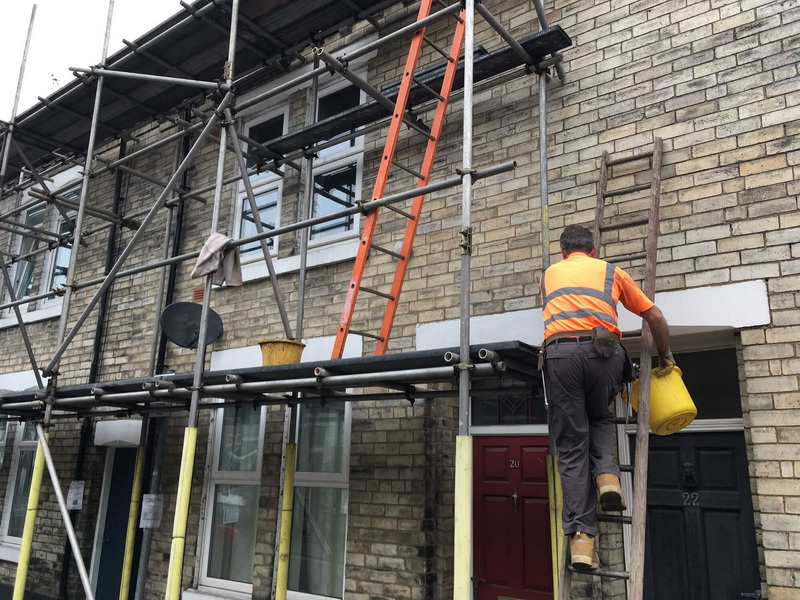
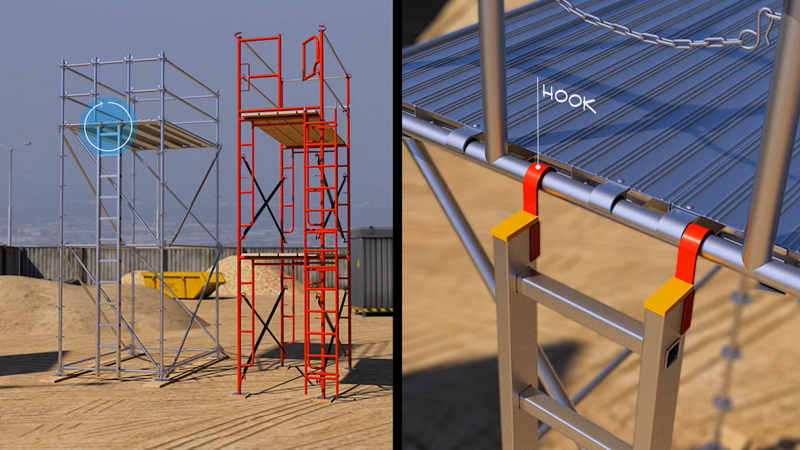
Securing a ladder to scaffolding involves several key steps:
1. Positioning the Ladder:
- The ladder should be placed at an angle of about 75 to 80 degrees from the vertical to prevent it from tipping over.
- Ensure the bottom rung is no more than 24 inches from the ground or the scaffold supporting level.
2. Securing the Ladder:
- Use ladder anchors or safety straps to secure the ladder to the scaffolding or a stable structure.
- Ensure the ladder extends at least three feet above the working level.
3. Regular Inspection:
- Regularly inspect the ladder and scaffolding for any damage or wear.
- Check for loose rungs, broken steps, or other hazards.
Regulatory Requirements
Regulatory bodies like OSHA provide guidelines to ensure safety on construction sites. Here are some key requirements:
- Ladder Extension: Ladders must extend three feet above the working level.
- Securing Ladders: Ladders must be secured to prevent movement.
- Scaffold Stability: Scaffolds must be stable and securely tied to the building if necessary.
Best Practices for Ladder and Scaffolding Safety
In addition to regulatory requirements, following best practices can further enhance safety:
- Use Proper Equipment: Ensure all equipment is suitable for the task and in good condition.
- Train Workers: Provide comprehensive training on ladder and scaffolding safety.
- Regular Maintenance: Regularly inspect and maintain ladders and scaffolding.
- Safety Harnesses: Use safety harnesses when working at heights to prevent falls.
Advanced Safety Measures
In addition to securing ladders, advanced safety measures can be implemented to enhance overall safety:
- Scaffold Guardrails: Install guardrails around scaffolding platforms to prevent falls.
- Fall Arrest Systems: Use fall arrest systems in conjunction with safety harnesses.
- Safety Nets: Install safety nets under scaffolding to catch falling objects or workers.
Case Studies: Successful Safety Implementations
Several companies have successfully implemented safety measures to reduce accidents on construction sites. For example:
- Case Study 1: A construction company reduced ladder-related accidents by 90% after implementing regular safety training and enforcing strict ladder inspection protocols.
- Case Study 2: Another company saw a significant decrease in scaffolding accidents after installing advanced guardrails and fall protection systems.
Conclusion
Securing a ladder to scaffolding is a critical aspect of construction safety. By following the steps outlined above and adhering to regulatory guidelines, workers can minimize the risk of accidents and ensure a safe working environment. Remember, safety is everyone's responsibility on the job site.
FAQ
1. What is the recommended angle for positioning a ladder?
The recommended angle for positioning a ladder is between 75 and 80 degrees from the vertical. This angle helps prevent the ladder from tipping over backward and increases stability.
2. How should ladders be secured to scaffolding?
Ladders should be secured using ladder anchors or safety straps to prevent movement. Ensure the ladder extends at least three feet above the working level.
3. What are the OSHA requirements for ladder extension on scaffolding?
According to OSHA, ladders must extend at least three feet above the working level and be positioned so that the bottom rung is no more than 24 inches from the ground or scaffold supporting level.
4. Why is regular inspection important for ladders and scaffolding?
Regular inspection is crucial to identify any damage or wear on ladders and scaffolding, ensuring they remain safe for use and reducing the risk of accidents.
5. What are some best practices for enhancing ladder and scaffolding safety?
Best practices include using proper equipment, training workers, and performing regular maintenance. Additionally, ensure all safety regulations are strictly followed.
Citations:
[1] https://dss.net/guide-to-ladders-and-scaffolding-in-construction/
[2] https://www.youtube.com/watch?v=MDyuqynCdzo
[3] https://www.safex.us/scaffold-tech-bulletin/
[4] https://blog.csdn.net/Angelina_Jolie/article/details/139147709
[5] https://www.bpsdepot.co.uk/blog/how-to-tie-off-a-ladder-for-safety
[6] https://www.youtube.com/watch?v=2ka4Nl-B_QA
[7] http://www.osha.gov/laws-regs/standardinterpretations/2003-11-17-0
[8] https://www.sohu.com/a/229746319_498025
[9] https://www.youtube.com/watch?v=HKytKZ3833k
[10] https://www.youtube.com/watch?v=BASYh-MVYlo
[11] https://www.bbc.com/learningenglish/chinese/features/q-and-a/ep-200318