Content Menu
● Understanding Double Clamp Scaffolding
● Factors to Consider When Selecting Double Clamp Scaffolding
>> 1. Material Quality
>> 2. Load Capacity
>> 3. Compatibility
>> 4. Adjustability
>> 5. Corrosion Resistance
● Types of Double Clamp Scaffolding
>> Fixed Double Clamp
● Maintenance and Care
● Applications of Double Clamp Scaffolding
>> Building Construction
● Regulatory Compliance
● Cost Considerations
● Conclusion
● FAQ
>> 1. What is the main advantage of double clamp scaffolding over single clamp systems?
>> 2. How often should double clamp scaffolding be inspected?
>> 3. Can double clamp scaffolding be used for curved or irregular structures?
>> 4. What is the typical lifespan of double clamp scaffolding?
>> 5. Is special training required to use double clamp scaffolding?
● Citations:
Selecting the right double clamp scaffolding is crucial for ensuring safety and efficiency in construction projects. This comprehensive guide will help you navigate the process of choosing the most suitable double clamp scaffolding for your specific requirements.
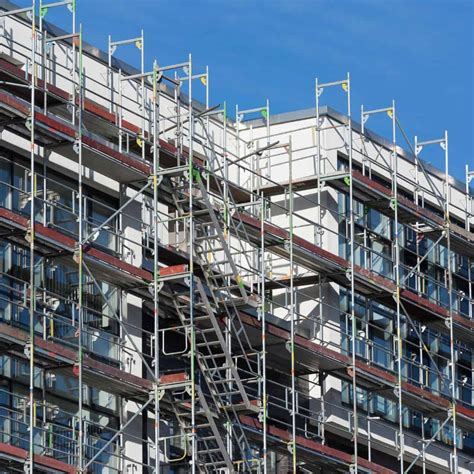
Understanding Double Clamp Scaffolding
Double clamp scaffolding, also known as double coupler scaffolding, is a versatile and robust scaffolding system widely used in the construction industry. It consists of two single scaffolding column clamps joined together to create a rigid connection between horizontal and vertical scaffolding tubes[1][3].
- Increased stability and load-bearing capacity
- Flexibility in connecting scaffolding components at various angles
- Easy installation and removal
- Suitable for complex structures and challenging construction sites
Factors to Consider When Selecting Double Clamp Scaffolding
1. Material Quality
The quality of materials used in double clamp scaffolding is paramount for ensuring safety and durability. Look for scaffolding components made from high-grade steel or aluminum, which offer excellent strength-to-weight ratios[1].
2. Load Capacity
Consider the maximum load that your scaffolding system needs to support. This includes the weight of workers, tools, and materials. Double clamp scaffolding typically has a higher load-bearing capacity compared to single clamp systems[3].
3. Compatibility
Ensure that the double clamp scaffolding you choose is compatible with your existing scaffolding components and meets industry standards. This compatibility is crucial for creating a stable and secure scaffolding structure[1][3].
4. Adjustability
Look for double clamp scaffolding that offers a high degree of adjustability. This feature allows for easy adaptation to various construction scenarios and helps in creating custom scaffolding configurations[3].
5. Corrosion Resistance
For projects in coastal areas or environments with high humidity, consider double clamp scaffolding with corrosion-resistant properties. This will extend the lifespan of your scaffolding system and ensure long-term safety[1].
Types of Double Clamp Scaffolding
Fixed Double Clamp
Fixed double clamps are designed to connect scaffolding tubes at a specific angle, typically 90 degrees. They provide a rigid and secure connection between horizontal and vertical tubes[1][3].
Swivel double clamps offer greater flexibility, allowing you to connect scaffolding tubes at various angles. This type is particularly useful for creating diagonal bracing or adapting to irregular structures[3].
Heavy-duty double clamps are designed for applications that require higher load-bearing capacity. They are ideal for industrial construction projects or situations where additional support is needed[1].
Proper installation of double clamp scaffolding is crucial for ensuring worker safety and structural integrity. Here are some key considerations:
1. Follow manufacturer guidelines and local regulations for scaffolding assembly.
2. Ensure that all connections are tight and secure before use.
3. Regularly inspect double clamps for signs of wear, damage, or corrosion.
4. Use appropriate personal protective equipment (PPE) when working with scaffolding.
5. Provide proper training to workers on the safe use of double clamp scaffolding.
Maintenance and Care
To prolong the life of your double clamp scaffolding and ensure ongoing safety, follow these maintenance tips:
- Clean clamps regularly to remove dirt, debris, and potential corrosive substances.
- Store scaffolding components in a dry, protected area when not in use.
- Lubricate moving parts of swivel double clamps to maintain smooth operation.
- Replace any damaged or worn components immediately.
- Conduct regular inspections and keep detailed maintenance records.
Applications of Double Clamp Scaffolding
Double clamp scaffolding finds use in various construction and maintenance scenarios:
Building Construction
In the construction of residential, commercial, and industrial buildings, double clamp scaffolding provides stable platforms for workers to perform tasks such as bricklaying, painting, and installing windows[1].
Double clamp scaffolding is essential for bridge maintenance and repair work, offering secure access to hard-to-reach areas of the structure[4].
In industrial settings, double clamp scaffolding is used for maintenance tasks, equipment installation, and repairs in factories, refineries, and power plants[1].
The versatility of double clamp scaffolding makes it ideal for shipbuilding and repair projects, where complex structures and curved surfaces are common.
Recent advancements in scaffolding technology have led to improved double clamp designs:
- Lightweight materials for easier handling and transportation
- Quick-release mechanisms for faster assembly and disassembly
- Integrated safety features such as anti-slip surfaces and locking indicators
- Smart sensors for real-time load monitoring and structural integrity checks
Regulatory Compliance
When selecting double clamp scaffolding, ensure that it complies with relevant safety standards and regulations. In many countries, scaffolding must meet specific requirements set by occupational safety authorities[4].
Key standards to consider include:
- OSHA (Occupational Safety and Health Administration) guidelines in the United States
- EN 12810 and EN 12811 standards in Europe
- AS/NZS 1576 in Australia and New Zealand
Cost Considerations
While the initial cost of high-quality double clamp scaffolding may be higher, it often proves more cost-effective in the long run due to:
- Increased durability and longer lifespan
- Reduced maintenance and replacement costs
- Improved safety, potentially lowering insurance premiums
- Greater versatility, eliminating the need for multiple scaffolding systems
Conclusion
Selecting the right double clamp scaffolding is a critical decision that impacts the safety, efficiency, and success of your construction projects. By considering factors such as material quality, load capacity, compatibility, and specific project requirements, you can choose a scaffolding system that meets your needs and ensures a safe working environment.
Remember to prioritize safety, follow proper installation procedures, and maintain your scaffolding regularly. With the right double clamp scaffolding, you can tackle a wide range of construction challenges with confidence and precision.
FAQ
1. What is the main advantage of double clamp scaffolding over single clamp systems?
Double clamp scaffolding offers increased stability and load-bearing capacity compared to single clamp systems. The rigid connection created by the double clamp allows for better distribution of forces and enhanced structural integrity, making it suitable for more demanding construction applications[1][3].
2. How often should double clamp scaffolding be inspected?
Double clamp scaffolding should be inspected before each use and at regular intervals during prolonged projects. A thorough inspection by a qualified person is recommended at least once a week, or after any event that could affect the scaffolding's stability, such as severe weather or accidental impact[4].
3. Can double clamp scaffolding be used for curved or irregular structures?
Yes, double clamp scaffolding, especially when using swivel double clamps, can be adapted for use on curved or irregular structures. The flexibility of the system allows for custom configurations that can conform to various architectural shapes and challenging construction sites[3].
4. What is the typical lifespan of double clamp scaffolding?
The lifespan of double clamp scaffolding can vary depending on factors such as material quality, usage frequency, and maintenance. With proper care and regular inspections, high-quality double clamp scaffolding can last for many years, often 10-15 years or more. However, individual components may need replacement sooner if they show signs of wear or damage[1].
5. Is special training required to use double clamp scaffolding?
Yes, proper training is essential for anyone working with or on double clamp scaffolding. This training should cover assembly procedures, safety protocols, load limitations, and proper use of the scaffolding system. Many countries require certified training for workers involved in scaffolding erection and use[4].
Citations:
[1] https://www.alibaba.com/showroom/scaffolding-plank-clamp.html
[2] https://www.labour.gov.hk/eng/public/pdf/os/D/TOS_Guidance_notes_eng.pdf
[3] https://www.alibaba.com/showroom/scaffolding-column-clamps.html
[4] https://en.wikipedia.org/wiki/Scaffolding
[5] https://www.alibaba.com/showroom/types-of-scaffolding-clamps.html
[6] https://www.flyability.com/blog/scaffolding
[7] https://www.bigrentz.com/blog/types-of-scaffolding
[8] https://qingdaohf.com/product/scaffolding-coupler/