Content Menu
● Introduction to Aluminum Scaffolding
● Types of Aluminum Scaffolding
● Pre-Setup Preparations
● Site Preparation
● Setting Up Aluminum Scaffolding
>> Step 1: Base Setup
>> Step 2: Frame Assembly
>> Step 3: Stabilization
>> Step 4: Platform Installation
>> Step 5: Safety Features
● Safety Considerations
>> Safety Tips
>> Legal and Regulatory Compliance
● Maintenance and Repair
● Repairing Damaged Components
● Environmental Considerations
● Market Trends
● Impact of Technology
● Economic Benefits
● Cost Comparison
● Case Studies
● Benefits in Practice
● Conclusion
● FAQs
>> 1. What are the essential safety tips for setting up aluminum scaffolding?
>> 2. How do I stabilize aluminum scaffolding?
>> 3. What are the legal requirements for scaffolding setup?
>> 4. How often should I inspect aluminum scaffolding?
>> 5. What are the environmental benefits of using aluminum scaffolding?
● Citations:
Setting up aluminum scaffolding is a crucial process that requires attention to detail to ensure safety and stability. Aluminum scaffolding is widely used in construction and maintenance projects due to its lightweight and ease of assembly. This article will guide you through the steps to set up aluminum scaffolding safely and efficiently.
Introduction to Aluminum Scaffolding
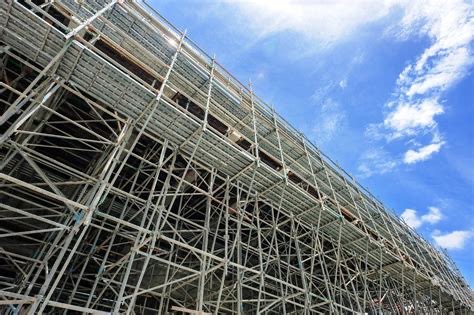
Aluminum scaffolding is preferred over other materials like steel due to its portability and corrosion resistance. It is commonly used for tasks such as painting, roofing, and window installation. The scaffolding's design allows for easy setup and teardown, reducing labor costs and increasing efficiency on job sites.
Types of Aluminum Scaffolding
1. Rolling Towers: These are mobile scaffolding units that can be easily moved around the job site.
2. Narrow Scaffolding Towers: Ideal for tight spaces, they offer a compact footprint while maintaining stability.
3. Aluminum Plank Scaffolding: Used for creating platforms at various heights.
Pre-Setup Preparations
Before setting up the scaffolding, ensure you have a clear understanding of the site conditions and the type of scaffolding you are using.
Site Preparation
1. Ground Conditions: Ensure the ground is level and firm. Use sills or base plates to distribute the weight evenly.
2. Clearance: Check for any obstacles or overhead hazards.
3. Weather Conditions: Avoid setting up scaffolding in adverse weather conditions like high winds or rain.
Setting Up Aluminum Scaffolding
Here's a step-by-step guide to setting up aluminum scaffolding:
Step 1: Base Setup
1. Attach Castor Wheels: Fit the caster wheels to the base frame and ensure they are locked to prevent movement during assembly.
2. Level the Base: Use adjustable nuts on the castors to ensure the base is level.
Step 2: Frame Assembly
1. Attach Horizontal Braces: Connect two horizontal braces to the base frame to make it self-supporting.
2. Add Second Frame: Attach the second frame to the other end of the horizontal braces.
Step 3: Stabilization
1. Install Diagonal Braces: Add four diagonal braces to stabilize the base frames.
2. Check for Squareness: Ensure the scaffolding is square by using a spirit level.
Step 4: Platform Installation
1. Temporary Platform: Install a temporary platform between the base frames.
2. Permanent Platform: Install the permanent work platform at the desired height.
Step 5: Safety Features
1. Guardrails: Install guardrails and midrails around the platform.
2. Toeboards: Add toeboards to prevent tools and materials from falling off.
Safety Considerations
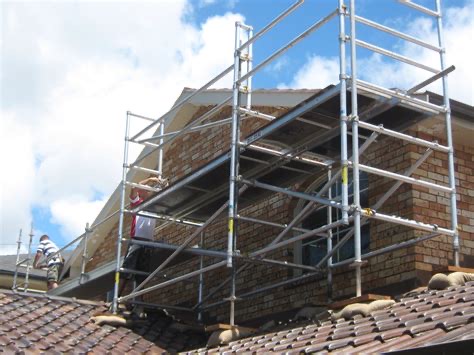
Safety should always be the top priority when setting up scaffolding. Here are some essential safety tips:
Safety Tips
- Proper Training: Ensure all workers receive adequate training on assembly and use.
- Regular Inspections: Inspect scaffolding components for damage or wear.
- Fall Protection: Use guardrails, toeboards, and personal protective equipment (PPE).
Legal and Regulatory Compliance
Ensure that the scaffolding meets local safety regulations and standards. Non-compliance can result in fines or legal issues.
Maintenance and Repair
Regular maintenance is crucial to extend the lifespan of aluminum scaffolding. Here are some tips:
- Cleaning: Regularly clean the scaffolding to prevent dirt buildup.
- Lubrication: Lubricate moving parts to ensure smooth operation.
- Inspection: Regularly inspect for damage or wear.
Repairing Damaged Components
If you find damaged components during inspection, consider repairing or replacing them.
Environmental Considerations
Aluminum scaffolding is more environmentally friendly than steel due to its lighter weight, which reduces transportation emissions. Additionally, aluminum is recyclable, making it a sustainable choice for construction projects.
Market Trends
The demand for aluminum scaffolding is influenced by market trends such as the rise in DIY projects and home renovations. As more homeowners take on small-scale construction tasks, the need for affordable scaffolding solutions increases.
Impact of Technology
Advancements in technology have led to more efficient scaffolding designs and materials. However, traditional aluminum scaffolding remains popular due to its reliability and cost-effectiveness.
Economic Benefits
Using aluminum scaffolding can offer significant economic benefits, including reduced upfront costs and lower maintenance expenses compared to purchasing new equipment. This makes it an attractive option for small businesses and individual contractors.
Cost Comparison
Here’s a comparison of the costs associated with new versus used aluminum scaffolding:
| Type | New | Used |
| Price | Higher | Lower |
| Maintenance | Higher | Lower |
| Durability | High | High |
Case Studies
Several construction companies have successfully utilized aluminum scaffolding for large-scale projects, highlighting its efficiency and cost-effectiveness. For example, a recent high-rise building project in New York City used aluminum scaffolding to reduce setup time and increase worker safety.
Benefits in Practice
- Efficiency: Aluminum scaffolding allowed for faster setup and teardown, reducing labor costs.
- Safety: The lightweight nature of the scaffolding made it easier to handle, reducing the risk of accidents.
Conclusion
Setting up aluminum scaffolding requires careful planning and execution to ensure safety and stability. By following the steps outlined in this guide and adhering to safety regulations, you can efficiently assemble scaffolding for various construction tasks.
FAQs
1. What are the essential safety tips for setting up aluminum scaffolding?
Ensure proper training, inspect equipment regularly, and use fall protection measures like guardrails and PPE.
2. How do I stabilize aluminum scaffolding?
Use diagonal braces and ensure the scaffolding is level and square.
3. What are the legal requirements for scaffolding setup?
Ensure compliance with local safety regulations and standards to avoid fines or legal issues.
4. How often should I inspect aluminum scaffolding?
Regular inspections are crucial to identify any damage or wear and ensure safety.
5. What are the environmental benefits of using aluminum scaffolding?
Aluminum scaffolding is lightweight, reducing transportation emissions, and is recyclable, making it a sustainable choice.
Citations:
[1] https://www.metaltech.co/setup-instructions/
[2] https://skylinescaffoldings.com/blog/the-ultimate-guide-to-aluminium-scaffolding/
[3] https://www.banoscaffolding.com/assembly-instructions/
[4] https://alufasescaffold.com/workplace-safety-procedures-for-aluminum-scaffolds/
[5] https://www.scafeast.com/aluminium-mobile-scaffold-tower-installation-guide-2/
[6] https://scholarsbank.uoregon.edu/bitstreams/f48c770e-557b-4ec9-8bc5-f2ede9bad065/download
[7] https://skelscaff.com.au/a-guide-to-assembling-an-aluminum-mobile-scaffold/
[8] https://www.tytruss.com/newsclass_3/Precautions-use-of-aluminum-mobile-scaffolding.shtml
[9] https://www.aluminiumscaffolds.com.au/wp-content/uploads/2015/12/Scaffold-Erection-Guide-A4_Aluminium-Scaffolds.pdf