Content Menu
● Introduction to Ladder Scaffolding
● Components of Ladder Scaffolding
● Setting Up Ladder Scaffolding
● Safety Considerations
● Best Practices for Scaffolding Use
● Design and Setup of Scaffolding
● Maintenance and Inspection
● Training and Certification
● Regulations and Standards
● Environmental Considerations
● Specialized Scaffolding Configurations
● Advanced Safety Features
● Conclusion
● FAQ
>> 1. What are the key components needed to set up ladder scaffolding?
>> 2. How do you ensure stability when setting up scaffolding?
>> 3. What safety measures should be taken when using scaffolding?
>> 4. How often should scaffolding be inspected?
>> 5. What is the maximum height for ladder scaffolding?
● Citations:
Setting up ladder scaffolding is a critical process that requires careful attention to safety and structural integrity. Ladder scaffolding provides a versatile and efficient way to work at heights, making it essential for various construction and maintenance tasks. In this article, we will explore the steps involved in setting up ladder scaffolding, discuss safety considerations, and highlight best practices for ensuring a safe working environment.
Introduction to Ladder Scaffolding
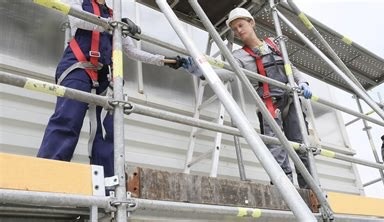
Ladder scaffolding combines the stability of scaffolding with the versatility of ladders, allowing workers to access different levels of a structure safely. This setup is particularly useful for tasks that require frequent movement between levels, such as painting or renovation projects.
Components of Ladder Scaffolding
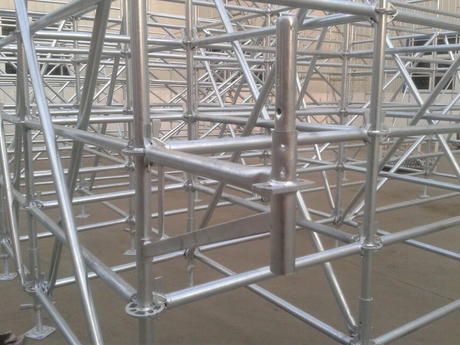
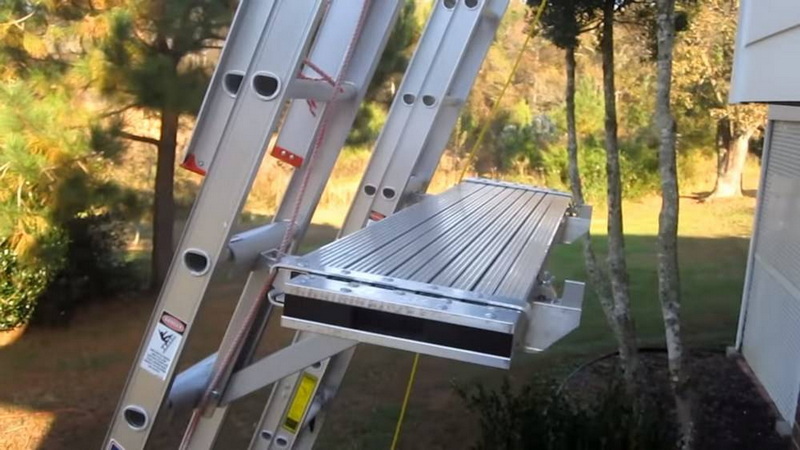
- Ladder Frames: These are the primary structures that support the scaffolding platforms. They can be adjusted to different heights and configurations.
- Platforms: These provide a stable working surface for workers. Platforms should be securely attached to the ladder frames.
- Guardrails and Midrails: These are essential safety features that prevent falls from the scaffolding.
Setting Up Ladder Scaffolding
Setting up ladder scaffolding involves several key steps:
1. Prepare the Ground: Ensure the ground is level and stable. Use adjustable screw jacks to level the scaffolding if necessary.
2. Assemble the Ladder Frames: Follow the manufacturer's instructions to assemble the ladder frames. Ensure all connections are secure.
3. Install Platforms: Place the platforms on the ladder frames, ensuring they are fully decked and secured to prevent movement.
4. Install Guardrails and Midrails: Install guardrails, midrails, and toe boards around the perimeter of the scaffold at every level where work is performed.
5. Access Ladders: Provide a safe means of access, such as an integrated scaffold ladder or stairway.
Safety Considerations
Safety is paramount when setting up and using ladder scaffolding:
- Stability: Ensure the scaffolding is set up on a level surface and securely tied off to prevent tipping.
- Fall Protection: Use personal fall arrest systems (PFAS) when working at heights.
- Load Capacity: Do not exceed the load capacity of the scaffolding.
- Regular Inspections: Conduct daily inspections of the scaffolding and ladder components for signs of wear or damage.
Best Practices for Scaffolding Use
To maximize efficiency and safety:
- Proper Training: Ensure all workers are trained in scaffolding setup and use.
- Regular Maintenance: Regularly inspect and maintain scaffolding components.
- Secure Planks: Ensure planks are securely locked into place to prevent movement.
Design and Setup of Scaffolding
Scaffolding design and setup are critical for safety and efficiency:
- Platform Width: Ensure the work platform is wide enough to provide stable footing.
- Guardrails: Use guardrails to prevent falls from the scaffolding.
- Tie-Offs: Securely tie off the scaffolding to the building to prevent it from tipping over.
Maintenance and Inspection
Regular maintenance and inspection of scaffolding are essential:
- Daily Inspections: Conduct daily visual inspections for signs of wear or damage.
- Weekly Inspections: Perform more detailed inspections weekly to ensure structural integrity.
- Repair and Replacement: Address any issues promptly to prevent accidents.
Training and Certification
Proper training and certification are vital for workers using scaffolding:
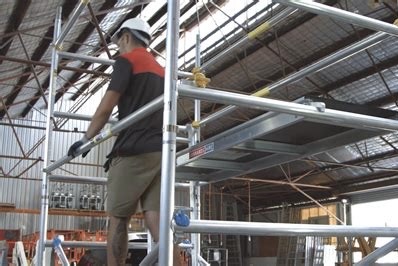
- Training Programs: Implement comprehensive training programs covering safety procedures and equipment use.
- Certification: Ensure workers are certified in scaffolding erection and use.
Regulations and Standards
In many countries, there are strict regulations governing the use of scaffolding. For example, in the United States, OSHA (Occupational Safety and Health Administration) sets standards for scaffolding safety, including requirements for fall protection and load capacity. In Canada, employers must comply with the Canada Occupational Health and Safety Regulations (COHSR) and provincial regulations.
Environmental Considerations
When setting up scaffolding, consider the environmental impact:
- Weather Conditions: Avoid setting up scaffolding in adverse weather conditions such as strong winds or heavy rain.
- Surrounding Structures: Ensure scaffolding does not damage nearby structures or vegetation.
Specialized Scaffolding Configurations
For complex projects, specialized scaffolding configurations may be necessary:
- Cantilever Scaffolding: Used for projects where the scaffolding needs to extend over obstacles.
- Suspended Scaffolding: Used for high-rise buildings where scaffolding is suspended from the roof.
Advanced Safety Features
Incorporating advanced safety features can enhance the safety of ladder scaffolding:
- Safety Nets: Install safety nets around the scaffolding to catch falling objects or debris.
- Warning Signs: Use warning signs to alert workers and bystanders of potential hazards.
Conclusion
Setting up ladder scaffolding requires careful attention to safety and structural integrity. By following the steps outlined and adhering to safety guidelines, workers can ensure a safe and efficient working environment.
FAQ
1. What are the key components needed to set up ladder scaffolding?
The key components include ladder frames, platforms, guardrails, and midrails. These components work together to provide a stable and safe working environment.
2. How do you ensure stability when setting up scaffolding?
Ensure the scaffolding is set up on a level surface and securely tied off to prevent tipping. Regular inspections are also crucial to identify any potential stability issues.
3. What safety measures should be taken when using scaffolding?
Use personal fall arrest systems (PFAS), ensure the scaffolding is securely tied off, and conduct regular inspections to check for wear or damage.
4. How often should scaffolding be inspected?
Scaffolding should be inspected daily for visual signs of wear or damage and more thoroughly on a weekly basis to ensure structural integrity.
5. What is the maximum height for ladder scaffolding?
The maximum height for ladder scaffolding depends on the base dimension and stability. Generally, the height should not exceed four times the smallest base dimension unless outriggers are used.
Citations:
[1] https://www.redi2hire.com.au/wp-content/uploads/2020/09/Tuff-Scaff-Safety-and-Installation-Sheets.pdf
[2] https://ohse.ca/ladder-and-scaffolding-safety-ensuring-safe-working-at-heights/
[3] https://www.metaltech.co/setup-instructions/
[4] https://www.osha.gov/sites/default/files/publications/OSHA3857.pdf
[5] https://www.datocms-assets.com/48781/1626165723-mounting-instruction-scaffolds-st-rt-fteng.pdf
[6] https://americanladders.com/pages/safety-information
[7] https://brandsafway.com/uploads/files/orn2206_bsl_saflock_system_scaffold_access_ladder_installation_instructions.pdf
[8] https://www.sfasu.edu/docs/safety/ladder-scaffolding-and-fall-protection-safety-program.pdf
[9] https://www.houseofladders.com/how-to-set-up-scaffolding-safely-step-by-step-guide/