Content Menu
● Introduction to Cuplock Scaffolding
● Key Components of Cuplock Scaffolding
● Step-by-Step Installation Guide
>> 1. Planning and Preparation
>> 2. Laying the Foundation
>> 3. Erecting the Standards
>> 4. Locking in the Ledgers
>> 5. Adding Transoms and Boards
>> 6. Safety Checks
● Safety Tips for Cuplock Scaffolding
● Using the Cuplock Scaffolding Manual
● Benefits of Following the Manual
● Advanced Applications of Cuplock Scaffolding
>> 1. Circular Scaffolding
>> 2. Birdcage Access
>> 3. Staircase Access
● Maintenance and Inspection
● Training and Certification
● Conclusion
● FAQ
>> 1. What are the key components of Cuplock scaffolding?
>> 2. How do I ensure the scaffolding is stable?
>> 3. What safety measures should I take when using Cuplock scaffolding?
>> 4. Can Cuplock scaffolding be used for complex structures?
>> 5. How often should I inspect the scaffolding?
● Citations:
Cuplock scaffolding is a widely used modular scaffolding system known for its ease of assembly, versatility, and robustness. It is essential to follow a comprehensive manual to ensure safe and efficient installation. This article will guide you through the process of using a Cuplock scaffolding manual for safe installation, highlighting key steps, safety tips, and frequently asked questions.
Introduction to Cuplock Scaffolding
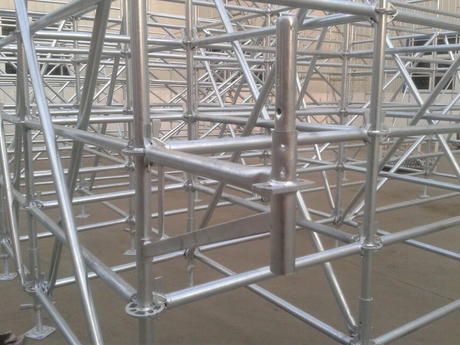
Cuplock scaffolding is characterized by its unique node point locking device, which allows up to four horizontal components to be securely attached to a vertical standard with a single action. This system is popular in construction sites worldwide due to its speed of assembly and high safety standards.
Key Components of Cuplock Scaffolding
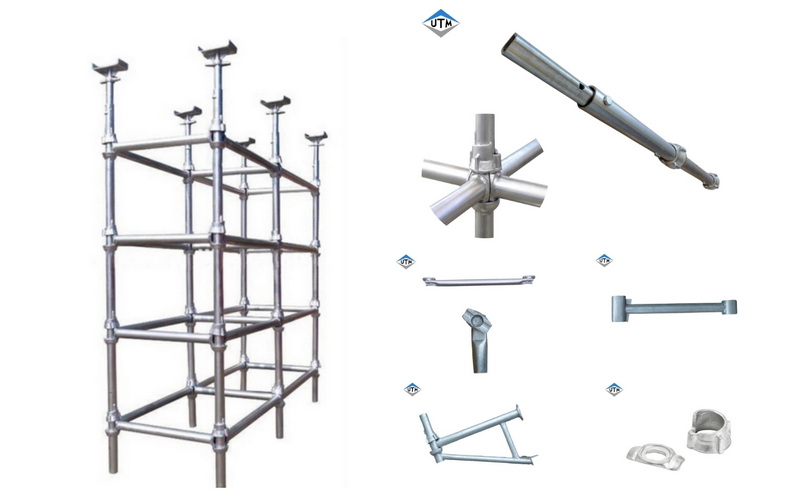
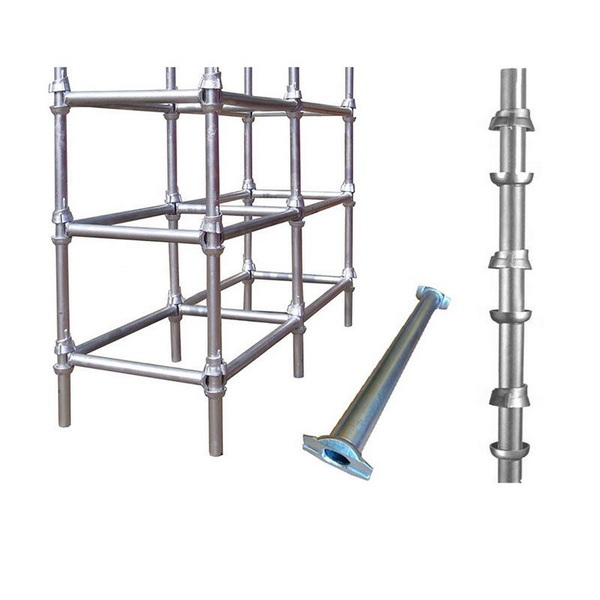
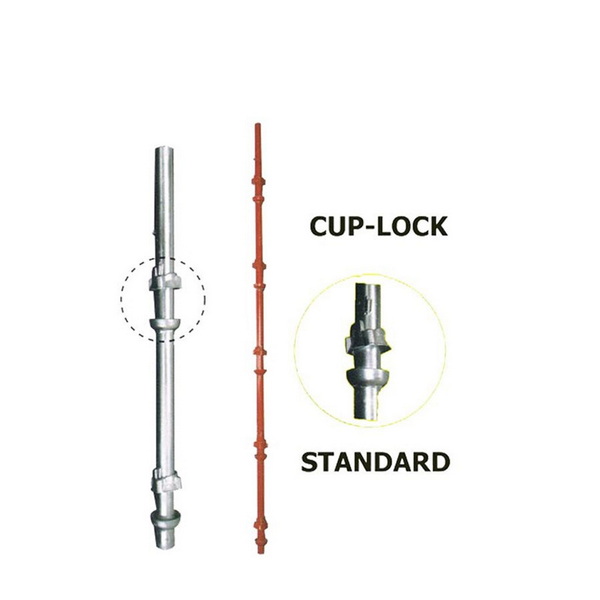
- Standards: These are the vertical posts that form the backbone of the scaffolding.
- Ledgers: Horizontal components that connect between standards.
- Transoms: Provide additional support for scaffolding boards.
- Cuplock Nodes: Unique locking points that secure ledgers and transoms to standards.
Step-by-Step Installation Guide
1. Planning and Preparation
Before starting, ensure you have all necessary components and tools. Plan the scaffolding layout based on your project's requirements, considering height, length, and configuration. Check the ground conditions to ensure they are solid and level.
2. Laying the Foundation
Use base jacks or plates to create a stable foundation. Adjust them to ensure the scaffolding is level.
3. Erecting the Standards
Insert standards into the base jacks, ensuring they are secure and vertical.
4. Locking in the Ledgers
Connect ledgers to standards using the Cuplock nodes. Slot the ledger ends into the lower cup and rotate the top cup to lock them in place.
5. Adding Transoms and Boards
Place transoms at required intervals and secure them using the Cuplock system. Lay scaffolding boards across the transoms, ensuring they are evenly spaced and secure.
6. Safety Checks
Perform thorough safety checks to ensure all components are securely locked in place. Use guardrails and safety nets as required.
Safety Tips for Cuplock Scaffolding
Safety is paramount when using Cuplock scaffolding. Here are some essential safety tips:
1. Inspect Before Use: Always check the scaffolding for signs of wear or damage.
2. Follow Manufacturer Guidelines: Adhere to assembly and maintenance instructions.
3. Ensure Proper Assembly: Verify all connections are secure and properly aligned.
4. Use Guardrails and Safety Nets: Install these on all working levels to prevent falls.
5. Check Load Capacity: Ensure the total weight of workers, tools, and materials does not exceed the scaffolding's capacity.
Using the Cuplock Scaffolding Manual
A Cuplock scaffolding manual provides detailed instructions on assembly, maintenance, and safety procedures. It covers:
- Components and Their Uses: Describes each part of the scaffolding system.
- Assembly Procedures: Step-by-step guide to erecting the scaffolding safely.
- Safety Information: Includes guidelines on load capacity, guardrails, and more.
Benefits of Following the Manual
- Enhanced Safety: Reduces the risk of accidents by ensuring proper assembly and use.
- Efficient Assembly: Streamlines the installation process, saving time and labor.
- Compliance with Regulations: Ensures adherence to local safety standards and regulations.
Advanced Applications of Cuplock Scaffolding
Cuplock scaffolding is not limited to simple structures; it can be adapted for complex projects:
1. Circular Scaffolding
- Useful for projects requiring a circular or curved shape, such as chimneys or columns.
2. Birdcage Access
- Provides a secure and stable platform for interior work, such as ceiling repairs or installations.
3. Staircase Access
- Allows workers to safely ascend and descend the scaffolding, improving mobility and efficiency.
Maintenance and Inspection
Regular maintenance and inspection are crucial to extend the lifespan of Cuplock scaffolding and ensure safety:
1. Regular Cleaning: Remove dirt and debris that could affect the locking mechanism.
2. Component Inspection: Check for signs of wear or damage on all components.
3. Storage: Store components properly when not in use to prevent damage.
Training and Certification
It is important for scaffolding installers to undergo proper training and certification:
1. Training Programs: Participate in courses that cover assembly, safety, and maintenance.
2. Certification: Obtain recognized certifications to demonstrate competence.
Conclusion
Using a Cuplock scaffolding manual is crucial for safe and efficient installation. By following the manual's guidelines, you can ensure that your scaffolding is erected correctly, reducing the risk of accidents and improving overall safety on the construction site.
FAQ
1. What are the key components of Cuplock scaffolding?
The key components include standards, ledgers, transoms, and Cuplock nodes. These components work together to provide a robust and versatile scaffolding system.
2. How do I ensure the scaffolding is stable?
Stability is ensured by using base jacks or plates to create a level foundation and by securing all components properly using the Cuplock nodes.
3. What safety measures should I take when using Cuplock scaffolding?
Essential safety measures include inspecting the scaffolding before use, following manufacturer guidelines, using guardrails and safety nets, and checking the load capacity.
4. Can Cuplock scaffolding be used for complex structures?
Yes, Cuplock scaffolding is versatile and can be used for complex structures such as circular scaffolds, birdcage accesses, and staircase accesses.
5. How often should I inspect the scaffolding?
Scaffolding should be inspected regularly, especially before each use, to ensure all components are in good condition and securely in place.
Citations:
[1] https://primesteeltech.co.in/how-do-you-install-cuplock-scaffolding.html
[2] https://suncorpscaffolding.com/10-most-important-safety-tips-cup-lock-scaffolding/
[3] https://cdn.prod.website-files.com/6723c4704dc317b68172e019/67366167981794e9ead61adf_40489856166.pdf
[4] https://www.huennebeck.com/uploads/files/cuplok_system_scaffold_user_guide_en_2015-05-29.pdf
[5] https://aaitscaffold.com/blog/cuplock-scaffolding-types-uses-benefits-and-safety/
[6] https://www.sparsteel.com/blog/cuplock-scaffolding-types-uses-and-benefits/
[7] https://scaffolding-solutions.com.cy/wp-content/uploads/2022/06/user_manual_cuplok_10-2006.pdf
[8] https://www.osha.gov/sites/default/files/publications/osha3150.pdf
[9] https://www.youtube.com/watch?v=ojYR6MRAoEI
[10] https://www.affixscaffolding.com/wp-content/uploads/2022/03/Affix-Cuplock-Manual.pdf