Content Menu
● What Is a 7 Foot Aluminum Scaffold Plank?
● Why Choose a 7 Foot Aluminum Scaffold Plank?
>> Advantages Over Wood and Steel
● Safety Standards and Load Ratings
>> OSHA and Industry Requirements
>> Typical Load Ratings by Manufacturer
● Construction and Design Details
>> Material Quality
>> Reinforcement and Safety Features
● Installation Guidelines
>> Step-by-Step Installation
● Safety Considerations for Commercial Use
>> Load Management
>> Inspection and Maintenance
>> Compliance
● Durability and Longevity
>> Why Aluminum Lasts Longer
>> Cost Effectiveness
● Real-World Applications
>> Construction Sites
>> Industrial Maintenance
>> Event Staging
>> Marine and Outdoor Projects
● Comparing 7 Foot Aluminum Scaffold Planks to Other Materials
● Best Practices for Safe Use of 7 Foot Aluminum Scaffold Planks
>> Training and Certification
>> Environmental Considerations
>> Storage and Handling
>> Regular Documentation
● Conclusion
● FAQ
>> 1. What is the maximum load capacity of a 7 foot aluminum scaffold plank?
>> 2. Are 7 foot aluminum scaffold planks OSHA compliant?
>> 3. How often should I inspect my 7 foot aluminum scaffold plank?
>> 4. Can a 7 foot aluminum scaffold plank be used outdoors?
>> 5. How do I maintain a 7 foot aluminum scaffold plank?
Scaffolding is a critical component of commercial construction and maintenance projects, providing safe, elevated platforms for workers and materials. Among the various options available, the 7 foot aluminum scaffold plank stands out for its combination of strength, lightweight design, and durability. But how safe is a 7 foot aluminum scaffold plank for commercial use? This comprehensive article explores every aspect of its safety, performance, and suitability for demanding job sites.
What Is a 7 Foot Aluminum Scaffold Plank?
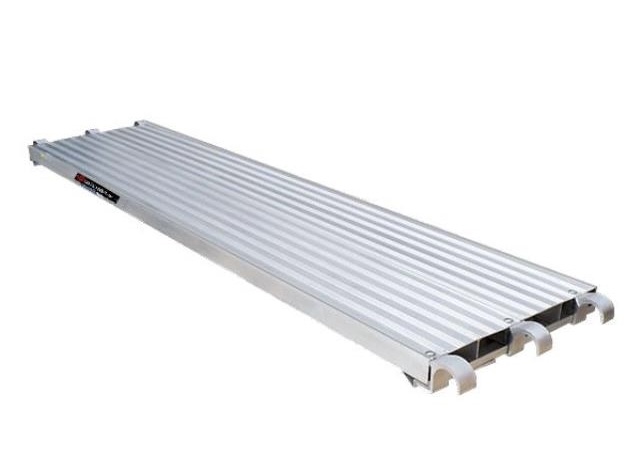
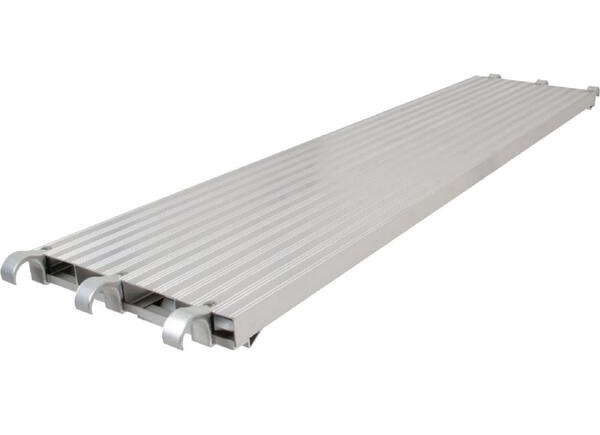
A 7 foot aluminum scaffold plank is a structural platform, typically 7 feet long and about 19 inches wide, designed to fit standard scaffolding frames. Made from high-grade aluminum (often 6061-T6 alloy), these planks are engineered to provide a stable, non-corrosive, and lightweight working surface. They are commonly used in construction, painting, maintenance, and industrial applications.
Key Features:
- Length: 7 feet
- Width: Approximately 19 inches
- Material: High-strength aluminum alloy (commonly 6061-T6)
- Weight: Around 27–30 lbs per plank
- Surface: Grooved or perforated for slip resistance
- Load Rating: Up to 75 lbs per square foot (psf), depending on manufacturer
- Certifications: OSHA, ANSI, CSA compliance
Why Choose a 7 Foot Aluminum Scaffold Plank?
Advantages Over Wood and Steel
- Lightweight: Easier to handle, transport, and install than steel or wood planks.
- Corrosion Resistant: Aluminum naturally forms an oxide layer, preventing rust even in wet or corrosive environments.
- High Strength-to-Weight Ratio: Supports heavy loads while remaining easy to maneuver.
- Long Lifespan: Resistant to rot, warping, and insect damage, unlike wood.
- Low Maintenance: Requires minimal upkeep compared to wood, which needs regular inspections for cracks and warping.
- Versatile: Suitable for both supported and suspended scaffolds.
- Fire Resistant: Aluminum does not burn, adding an extra layer of safety in hazardous environments.
Safety Standards and Load Ratings
OSHA and Industry Requirements
Safety is paramount in commercial scaffolding. The Occupational Safety and Health Administration (OSHA) sets strict standards:
- Minimum Load Capacity: Scaffold planks must support at least four times their intended load.
- Heavy-Duty Rating: A 7 foot aluminum scaffold plank rated at 75 lbs per square foot qualifies as heavy-duty, suitable for most commercial applications.
- Deflection Limits: Plank deflection under load must not exceed 1/60th of the span between supports.
Typical Load Ratings by Manufacturer
| Manufacturer/Model | Load Capacity (7 ft) | Certifications |
| ScaffoldMart | 75 lbs/ft⊃2; (over 9,000 lbs tested) | OSHA, ANSI, CSA |
| AAIT Scaffold | 75 lbs/ft⊃2; | OSHA |
| Southwest Scaffolding | 75 lbs/ft⊃2; | OSHA |
| MetalTech | 75 lbs/ft⊃2; (832 lbs total) | OSHA, ANSI, CSA |
| Bil-Jax | 500 lbs total | OSHA |
| Werner | 250 lbs total | OSHA |
| Scaffold Warehouse | 832 lbs total | OSHA |
Construction and Design Details
Material Quality
Most 7 foot aluminum scaffold planks are made from 6061-T6 aluminum, renowned for its strength, durability, and resistance to corrosion. This alloy ensures the plank can withstand harsh environments and frequent use.
Reinforcement and Safety Features
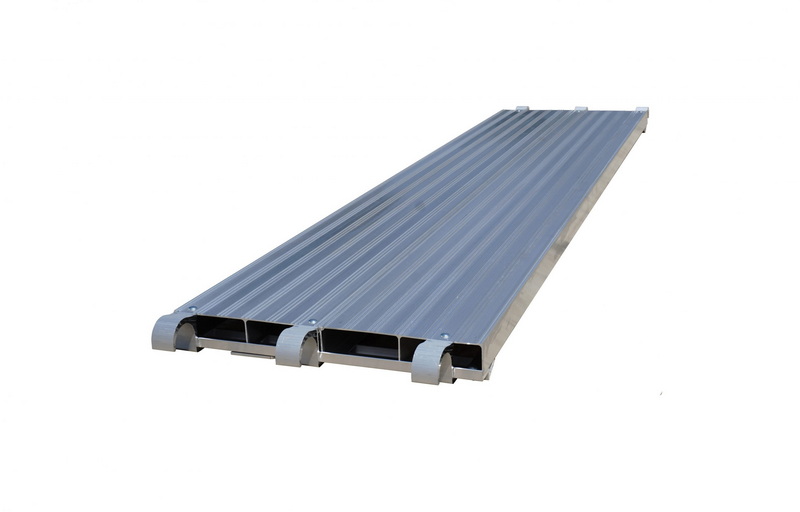
- Reinforced Underside: Increases load capacity and reduces flexing.
- Grooved or Perforated Surface: Prevents water accumulation and provides excellent traction, reducing slip hazards.
- Replaceable Hooks: Secure the plank to scaffolding frames and can be replaced if worn or damaged.
- Locking Mechanisms/Wind Latches: Prevent accidental displacement or uplift by wind.
- Zinc-Plated Bolts with Nylon Backing Nuts: Resist loosening and corrosion, enhancing long-term safety.
Installation Guidelines
Step-by-Step Installation
1. Prepare the Area: Ensure ground is level and free of obstructions.
2. Assemble Scaffolding Frames: Place frames and cross braces according to manufacturer instructions.
3. Install Leveling Jacks: Adjust for ground slope to keep the scaffold plumb.
4. Place the 7 Foot Aluminum Scaffold Plank: Securely hook the plank onto the scaffold frames, ensuring it locks into place.
5. Secure the Deck: Use locking mechanisms or wind latches at both ends to prevent movement.
6. Install Guardrails and Toeboards: Attach guardrails and toeboards for fall protection, as required by OSHA.
7. Inspect Before Use: Check all connections, fasteners, and the plank surface for damage or wear before each use.
Safety Considerations for Commercial Use
Load Management
- Even Distribution: Always distribute weight evenly across the plank to avoid overloading a single point.
- Multiple Workers: Confirm the total weight (workers, tools, materials) does not exceed the plank's rated capacity.
- Deflection Monitoring: Replace any plank that shows excessive bending or deflection under normal loads.
Inspection and Maintenance
- Visual Inspection: Check for cracks, dents, bent hooks, or damaged locking mechanisms before each use.
- Surface Condition: Ensure the grooved or perforated top is free from debris, ice, or oil to maintain slip resistance.
- Corrosion Check: While aluminum is corrosion-resistant, inspect for signs of pitting or oxidation, especially at welds and hooks.
- Replace Worn Parts: Replace hooks, bolts, or latches as soon as wear is detected.
Compliance
- Label Verification: Only use planks with visible, legible labels indicating load rating and compliance with OSHA, ANSI, or CSA standards.
- Training: Ensure all workers are trained in scaffold assembly, use, and safety protocols.
Durability and Longevity
Why Aluminum Lasts Longer
- Corrosion Resistance: Aluminum's oxide layer protects against rust, making it ideal for outdoor and wet environments.
- Weatherproof: Withstands UV exposure, rain, and temperature fluctuations without degrading.
- No Rot or Insect Damage: Unlike wood, aluminum is immune to biological decay.
- Low Maintenance: Requires only occasional cleaning and inspection.
Cost Effectiveness
Although the initial cost of a 7 foot aluminum scaffold plank is higher than wood, its extended lifespan and reduced maintenance make it a cost-effective choice for commercial operations.
Real-World Applications
Construction Sites
- Used for masonry, painting, and general building work.
- Provides stable platforms for workers and materials at varying heights.
- Easily moved and repositioned as the job progresses.
Industrial Maintenance
- Ideal for plant shutdowns, repairs, and equipment installation.
- Lightweight planks ease rapid setup and breakdown, reducing labor costs.
Event Staging
- Used for temporary stages, seating, and elevated platforms.
- Meets safety standards for public access and heavy loads.
Marine and Outdoor Projects
- Aluminum's corrosion resistance makes it suitable for docks, bridges, and waterfront construction.
- Withstands salt spray and harsh weather conditions.
Comparing 7 Foot Aluminum Scaffold Planks to Other Materials
| Feature | 7 Foot Aluminum Plank | Wood Plank | Steel Plank |
| Weight | 27–30 lbs | 40–60 lbs | 60–80 lbs |
| Load Capacity (7 ft) | 75 lbs/ft⊃2; | 50–75 lbs/ft⊃2; | 75–100 lbs/ft⊃2; |
| Corrosion Resistance | Excellent | Poor | Good |
| Maintenance | Low | High | Moderate |
| Lifespan | 10+ years | 2–5 years | 10+ years |
| Slip Resistance | High (grooved) | Moderate | Moderate |
| Cost | Higher upfront | Lower upfront | Highest |
Best Practices for Safe Use of 7 Foot Aluminum Scaffold Planks
Training and Certification
- Ensure all scaffold users are trained in proper assembly, use, and safety protocols.
- Supervisors should be familiar with OSHA, ANSI, and local safety regulations.
Environmental Considerations
- In wet or icy conditions, check that the plank's surface remains slip-resistant.
- Avoid using planks near live electrical wires, as aluminum conducts electricity.
Storage and Handling
- Store planks in a dry, covered area when not in use.
- Avoid dropping or dragging planks to prevent dents or damage to hooks and locking mechanisms.
Regular Documentation
- Maintain inspection logs for each plank, noting dates and findings.
- Remove any plank from service immediately if defects are found.
Conclusion
A 7 foot aluminum scaffold plank is not only safe for commercial use but is often the preferred choice for demanding job sites. Its high load capacity, compliance with OSHA and other safety standards, lightweight design, and resistance to corrosion make it a superior alternative to wood or steel planks for most applications. Proper installation, regular inspection, and adherence to manufacturer guidelines are essential to maximizing safety and performance. For commercial contractors seeking reliability, durability, and peace of mind, the 7 foot aluminum scaffold plank is a proven solution.
FAQ
1. What is the maximum load capacity of a 7 foot aluminum scaffold plank?
Most 7 foot aluminum scaffold planks are rated for 75 lbs per square foot, qualifying them as heavy-duty and suitable for commercial use. Some models have been tested to withstand over 9,000 lbs in laboratory conditions, but always adhere to the manufacturer's rated capacity for safety.
2. Are 7 foot aluminum scaffold planks OSHA compliant?
Yes, reputable brands manufacture 7 foot aluminum scaffold planks to meet or exceed OSHA, ANSI, and CSA standards. Always verify the label and documentation to ensure compliance.
3. How often should I inspect my 7 foot aluminum scaffold plank?
Inspect before every use. Look for cracks, dents, bent hooks, worn grooves, or damaged locking mechanisms. Replace the plank if you find any structural defects.
4. Can a 7 foot aluminum scaffold plank be used outdoors?
Absolutely. Aluminum's corrosion resistance makes it ideal for outdoor use, including construction sites, marine environments, and areas exposed to chemicals or moisture.
5. How do I maintain a 7 foot aluminum scaffold plank?
Clean regularly with water to remove dirt and debris. Inspect for damage, especially at hooks and welds. Replace any worn or damaged parts immediately to maintain safety.