Content Menu
● Understanding Frame Scaffolding
>> Components of Frame Scaffolding
>> Advantages of Frame Scaffolding
● Legal Requirements for Frame Scaffolding in California
>> Cal/OSHA Scaffold Regulations Overview
>> Specific Requirements for Frame Scaffolding
● Access and Ladder Requirements for Frame Scaffolding
>> Using Scaffold End Frames as Ladders
>> Alternative Access Methods
● Safety Standards and Best Practices
>> Daily Inspection and Maintenance
>> Load Capacity and Overloading Prevention
>> Training and Supervision
● Common Hazards and How to Avoid Them
>> Falls from Height
>> Scaffold Collapse
>> Electrical Hazards
● Practical Tips for Using Frame Scaffolding in California
>> Planning and Site Preparation
>> Choosing the Right Scaffold Components
>> Weather Considerations
>> Documentation and Record-Keeping
● Case Studies: Frame Scaffolding in California Construction
>> Case Study 1: High-Rise Building Scaffold Compliance
>> Case Study 2: Scaffold Collapse Due to Overloading
● Conclusion
● FAQ
>> 1. Is frame scaffolding legal in California?
>> 2. What are the key safety requirements for frame scaffolding in California?
>> 3. Who is responsible for erecting and inspecting frame scaffolding?
>> 4. Can scaffold end frames be used as ladders?
>> 5. What should be done if scaffolding components are damaged?
● Citations:
Frame scaffolding is one of the most commonly used scaffolding systems in construction, maintenance, and repair projects across the United States. In California, where construction safety regulations are particularly stringent, understanding the legality and safety requirements of frame scaffolding is essential for contractors, workers, and safety managers alike.
Understanding Frame Scaffolding
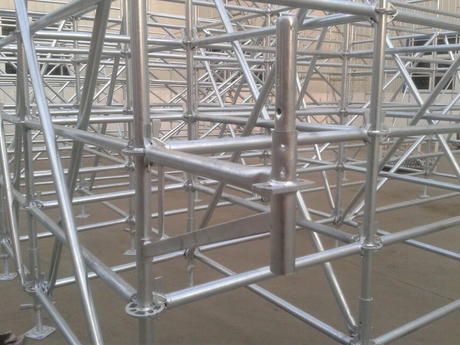
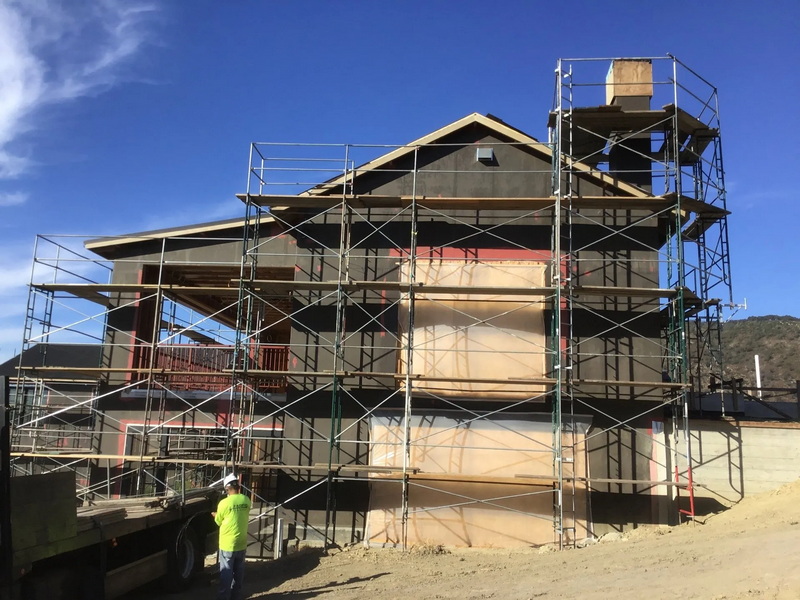
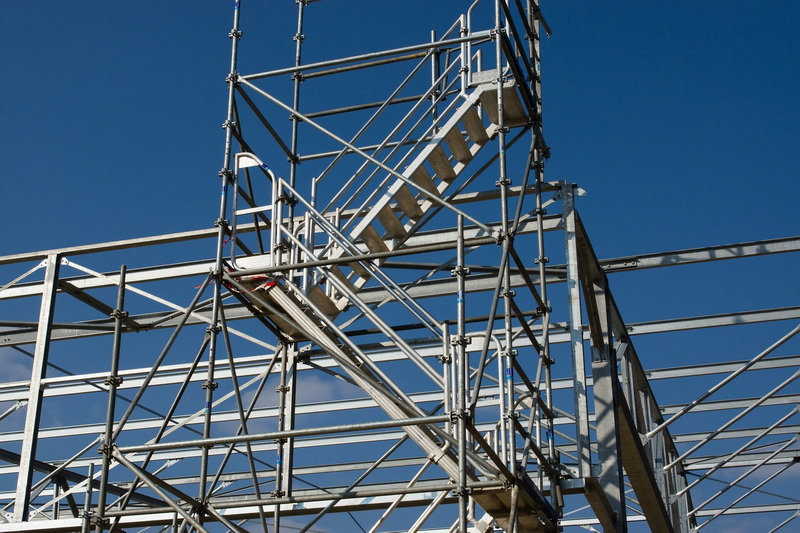
Frame scaffolding, also known as tubular frame scaffolding, is a modular system made up of prefabricated welded steel or aluminum frames connected by cross braces. It is favored for its ease of assembly, versatility, and relatively lightweight components compared to other scaffolding types such as tube and clamp or system scaffolds.
Components of Frame Scaffolding
- Frames: Vertical rectangular or square welded frames that form the scaffold's skeleton.
- Cross Braces: Diagonal braces that connect frames to provide lateral stability.
- Ledgers: Horizontal members that support the working platforms.
- Platforms: Usually wooden or metal planks placed on ledgers to create a working surface.
- Base Plates and Mud Sills: Provide a stable foundation and distribute the load to the ground.
- Guardrails and Toeboards: Safety features to prevent falls and falling objects.
- Access Ladders or Ladder Frames: Provide safe access to different scaffold levels.
Advantages of Frame Scaffolding
- Quick Assembly and Disassembly: Prefabricated frames allow for rapid setup.
- Flexibility: Can be adjusted to various heights and widths.
- Cost-Effective: Reusable components reduce long-term costs.
- Lightweight: Easier to transport and handle on site.
Legal Requirements for Frame Scaffolding in California
California's occupational safety laws are among the most comprehensive in the nation, with Cal/OSHA (California Occupational Safety and Health Administration) enforcing strict regulations to protect workers. Frame scaffolding must comply with these regulations to be legally used on construction sites.
Cal/OSHA Scaffold Regulations Overview
The primary legal framework for scaffolding in California is found in Title 8, Sections 1635.1 through 1667 of the California Code of Regulations (CCR). These sections cover all aspects of scaffold design, construction, use, and inspection.
- Section 1637: Requires scaffolds to be provided for all work that cannot be safely done from permanent or solid construction at least 20 inches wide.
- Section 1644: Specifies that metal scaffolds must be designed to support all dead, live, and wind loads they may encounter.
- Section 1646: Requires scaffolds to be tied or otherwise secured to prevent tipping or displacement.
- Section 1647: Mandates guardrails and toeboards on scaffolds over 10 feet high.
- Section 1650: Details requirements for scaffold access, including ladders and stairways.
Specific Requirements for Frame Scaffolding
- Load Capacity: Frame scaffolds must support at least four times the maximum intended load without failure.
- Ties and Bracing: Scaffolds over 4 feet in height must be tied to the structure at intervals specified by Cal/OSHA to prevent tipping.
- Platform Width: Platforms must be at least 18 inches wide, with some exceptions for specific tasks.
- Guardrails: Required on all open sides and ends of platforms more than 10 feet above the ground.
- Access: Safe access must be provided via ladders, stair towers, or ramps. Prefabricated scaffold end frames can be used as ladders if they meet specific design criteria.
Access and Ladder Requirements for Frame Scaffolding
Safe access to scaffold platforms is critical to prevent falls and injuries. Cal/OSHA has detailed requirements for scaffold ladders and access points.
Using Scaffold End Frames as Ladders
Many frame scaffolds incorporate ladder rungs into the end frames, allowing workers to climb directly on the scaffold structure. However, these ladder frames must meet strict criteria:
- Rung Length: Must be at least 11.5 inches to provide sufficient foot space.
- Rung Spacing: Uniform spacing not exceeding 16 ¾ inches.
- Clearance: At least 7 inches of clearance between the back of the rung and the scaffold frame.
- Rest Platforms: Required at vertical intervals not exceeding 35 feet to reduce fatigue and risk of falls.
Alternative Access Methods
- Portable Ladders: Must be secured and extend at least 3 feet above the landing.
- Stair Towers: Used for scaffolds with multiple levels, providing safer and easier access.
- Ramp Access: For scaffolds with heavy equipment or materials.
Safety Standards and Best Practices
Daily Inspection and Maintenance
Cal/OSHA mandates that scaffolds be inspected daily before use and after any event that could affect their structural integrity, such as severe weather or impact.
Inspection Checklist:
- Check for damaged or missing components.
- Verify that ties and braces are secure.
- Ensure platforms are fully planked and free of debris.
- Confirm guardrails and toeboards are in place.
- Inspect access points for safety and stability.
Load Capacity and Overloading Prevention
Overloading scaffolds is a leading cause of accidents. The scaffold must be designed and maintained to support:
- The weight of workers.
- Tools and equipment.
- Materials stored on the platform.
- Environmental loads such as wind or snow.
Training and Supervision
- Worker Training: All workers using scaffolds must be trained on hazards, safe use, and emergency procedures.
- Qualified Supervisors: Scaffold erection and dismantling must be overseen by qualified personnel with knowledge of scaffold safety standards.
Common Hazards and How to Avoid Them
Falls from Height
Falls are the most common scaffold-related accidents. To prevent falls:
- Always use guardrails and toeboards.
- Use personal fall arrest systems when required.
- Ensure platforms are fully planked and free of gaps.
Scaffold Collapse
Collapse can result from improper assembly, overloading, or damaged components.
- Follow manufacturer instructions and Cal/OSHA guidelines.
- Use proper ties and braces.
- Replace damaged parts immediately.
Electrical Hazards
Scaffolds near power lines pose electrocution risks.
- Maintain minimum clearance distances from power lines.
- Use non-conductive materials when working near electricity.
- De-energize power lines if possible.
Practical Tips for Using Frame Scaffolding in California
Planning and Site Preparation
- Conduct a site hazard assessment before scaffold erection.
- Ensure the ground is level and capable of supporting scaffold loads.
- Use mud sills or base plates to distribute weight on soft or uneven ground.
Choosing the Right Scaffold Components
- Use components that meet ANSI and Cal/OSHA standards.
- Avoid mixing components from different manufacturers unless compatibility is confirmed.
- Select the appropriate frame height and width for the job.
Weather Considerations
- Avoid scaffold use during high winds or storms.
- Remove snow and ice from platforms promptly.
- Secure scaffolds against wind loads with proper ties and braces.
Documentation and Record-Keeping
- Maintain inspection logs.
- Keep training records for all scaffold users.
- Document any incidents or repairs related to scaffolding.
Case Studies: Frame Scaffolding in California Construction
Case Study 1: High-Rise Building Scaffold Compliance
A major construction company in Los Angeles used frame scaffolding for a 20-story building. They implemented a rigorous inspection and training program, resulting in zero scaffold-related accidents over two years. Their success was attributed to strict adherence to Cal/OSHA regulations and proactive safety culture.
Case Study 2: Scaffold Collapse Due to Overloading
In San Francisco, a scaffold collapse occurred when workers overloaded the platform with materials beyond its rated capacity. The investigation revealed inadequate training and failure to follow load limits. This incident led to fines and mandatory retraining for the contractor.
Conclusion
Frame scaffolding is legal and widely used in California, but its use is tightly regulated to ensure worker safety. Compliance with Cal/OSHA regulations regarding design, load capacity, access, and inspection is mandatory. Proper training, daily inspections, and adherence to safety best practices are essential to prevent accidents. By understanding and following these legal and safety requirements, contractors and workers can safely and effectively use frame scaffolding on California construction sites.
FAQ
1. Is frame scaffolding legal in California?
Yes, frame scaffolding is legal in California as long as it complies with Cal/OSHA regulations regarding design, load capacity, access, and safety.
2. What are the key safety requirements for frame scaffolding in California?
Key requirements include proper design to support loads, secure tying, safe access with ladder frames meeting specific dimensions, daily inspections, and use by qualified personnel.
3. Who is responsible for erecting and inspecting frame scaffolding?
Scaffolding must be erected, altered, and dismantled by or under the supervision of qualified workers. Daily inspections before use are mandatory to ensure safety.
4. Can scaffold end frames be used as ladders?
Yes, integral prefabricated scaffold end frames can be used as ladders if they meet design and spacing requirements for ladder rungs, clearance, and rest platforms as specified by Cal/OSHA.
5. What should be done if scaffolding components are damaged?
Damaged scaffolding components must be repaired or replaced before use to ensure the scaffold remains safe and compliant with regulations.
Citations:
[1] https://www.dir.ca.gov/title8/1637.html
[2] https://www.dir.ca.gov/title8/1644.html
[3] https://www.scgma.com/rolling-scaffolds/
[4] https://www.pacificscaffold.net/scaffolding-laws-in-california
[5] https://altairlaw.com/anatomy-of-a-scaffolding-case
[6] https://www.istockphoto.com/photos/frame-scaffolding
[7] https://espchina.bfsu.edu.cn/SJ00058834-18.pdf
[8] http://www.salusllc.com/blog/2022/5/23/are-scaffold-end-frames-considered-an-acceptable-means-of-access
[9] https://www.youtube.com/watch?v=9QEcYUdXDZw
[10] https://www.youtube.com/watch?v=_FXiu6CqGC0
[11] https://www.youtube.com/watch?v=q9fxGNhbtgw