Content Menu
● What Is an Aluminum Stretch Plank?
● Key Features of Aluminum Stretch Planks
● Why Aluminum Stretch Planks Are Suitable for Industrial Use
>> 1. Durability and Longevity
>> 2. Safety Compliance
>> 3. Versatility and Flexibility
>> 4. Ease of Handling and Transport
>> 5. Low Maintenance
● Industrial Applications of Aluminum Stretch Planks
● Safety Considerations When Using Aluminum Stretch Planks
● Comparison: Aluminum Stretch Planks vs. Other Scaffold Planks
● How to Choose the Right Aluminum Stretch Plank for Industrial Use
>> 1. Determine Load Requirements
>> 2. Select Appropriate Length and Width
>> 3. Consider Surface Texture
>> 4. Verify Safety Certifications
>> 5. Evaluate Additional Features
● Maintenance and Care of Aluminum Stretch Planks
● Environmental Impact and Sustainability
● Conclusion
● FAQ
>> 1. What is the maximum load capacity of an aluminum stretch plank?
>> 2. Can aluminum stretch planks be used outdoors in harsh weather?
>> 3. How do aluminum stretch planks compare to wooden planks?
>> 4. Are aluminum stretch planks adjustable in length?
>> 5. What safety features should I look for in an aluminum stretch plank?
Aluminum stretch planks have become increasingly popular in various industrial and construction settings due to their lightweight, durable, and versatile nature. But the question remains: Is an aluminum stretch plank suitable for industrial use? This in-depth article explores the features, benefits, safety considerations, and practical applications of aluminum stretch planks in industrial environments.
What Is an Aluminum Stretch Plank?
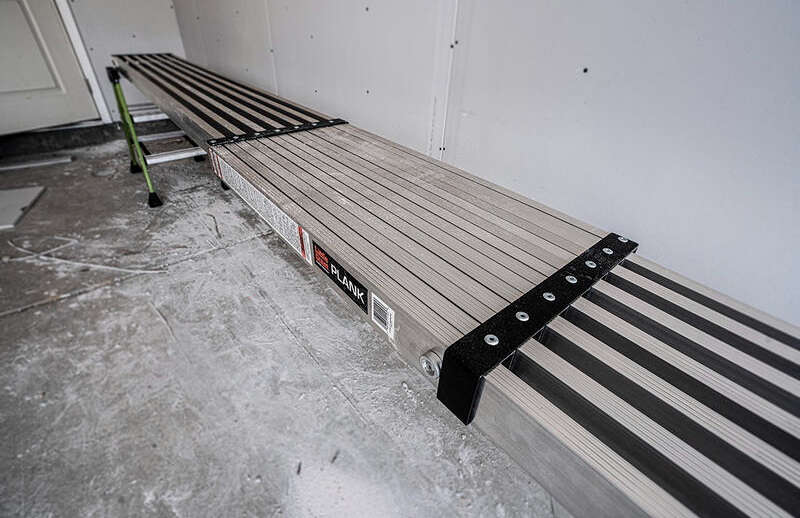
An aluminum stretch plank is a type of scaffold plank made primarily from aluminum, designed to be adjustable in length to fit different scaffold widths and configurations. Unlike fixed-length planks, stretch planks can extend or retract, offering flexibility on-site.
Typically constructed from aircraft-grade aluminum or extruded aluminum profiles, these planks combine strength, corrosion resistance, and lightweight properties. Many models feature a non-slip grooved surface, locking hooks, and reinforced edges to enhance safety and durability.
Key Features of Aluminum Stretch Planks
- Adjustable Length: Aluminum stretch planks can extend to various lengths, commonly from 6 to 9 feet, 8 to 13 feet, or even 10 to 17 feet, allowing customization for different scaffold setups.
- Lightweight Construction: Made from aluminum, they are significantly lighter than wooden or steel planks, reducing worker fatigue and easing transportation.
- High Load Capacity: Many aluminum stretch planks support up to 500 lbs, suitable for two-person loads, meeting or exceeding OSHA and ANSI standards.
- Corrosion Resistance: Aluminum's natural resistance to rust and corrosion makes these planks ideal for harsh industrial environments, including outdoor and marine settings.
- Non-Slip Surface: Grooved or patterned surfaces provide excellent traction, reducing slip hazards in wet or oily conditions.
- Replaceable Hooks and Locking Mechanisms: Ensure the plank remains securely attached to scaffold frames during use.
Why Aluminum Stretch Planks Are Suitable for Industrial Use
1. Durability and Longevity
Aluminum stretch planks are engineered to withstand the demanding conditions of industrial sites. Their corrosion resistance means they do not degrade like wood or rust like steel, maintaining structural integrity over years of use. The extruded aluminum construction often includes reinforced ribs and box-section designs to resist bending and twisting under heavy loads.
2. Safety Compliance
Industrial work requires adherence to strict safety standards. Aluminum stretch planks typically meet OSHA and ANSI requirements, supporting heavy-duty loads and providing stable, slip-resistant platforms. Their locking hooks and secure attachment systems prevent accidental plank displacement, critical for worker safety on elevated platforms.
3. Versatility and Flexibility
The adjustable length feature allows aluminum stretch planks to fit multiple scaffold widths, reducing the need to stock multiple plank sizes. This versatility is valuable in industrial settings where scaffolding configurations frequently change or require rapid setup and teardown.
4. Ease of Handling and Transport
The lightweight nature of aluminum planks reduces strain on workers during installation, dismantling, and transport, improving productivity and reducing injury risk. This is especially important in large industrial sites where planks must be moved frequently.
5. Low Maintenance
Compared to wooden or steel planks, aluminum stretch planks require minimal upkeep. They do not need painting, sealing, or treatment and are easy to clean, which is advantageous in industrial environments where contamination or debris can accumulate.
Industrial Applications of Aluminum Stretch Planks
- Construction Sites: Used for scaffolding platforms, walkways, and access decks in building construction and maintenance.
- Manufacturing Plants: Provide safe elevated work surfaces for machinery maintenance and assembly line access.
- Oil and Gas Facilities: Corrosion resistance makes them suitable for harsh offshore and onshore environments.
- Warehousing and Logistics: Used for elevated storage access and platform construction.
- Shipyards and Marine Applications: Aluminum's resistance to saltwater corrosion ensures longevity in marine environments.
- Industrial Painting and Cleaning: Adjustable length allows easy setup for painting, cleaning, or inspection tasks at varying heights.
Safety Considerations When Using Aluminum Stretch Planks
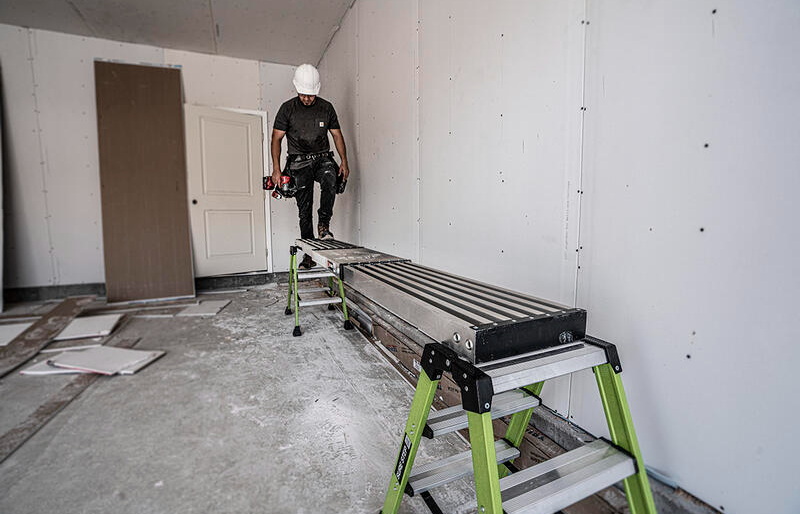
- Load Limits: Always verify the plank's rated load capacity (often 500 lbs for two-person planks) and do not exceed it.
- Proper Installation: Ensure locking hooks are fully engaged and planks are securely fastened to scaffold frames.
- Inspection: Regularly inspect planks for dents, cracks, or worn locking mechanisms that could compromise safety.
- Use of Guardrails: Employ guardrails and toe boards on scaffold platforms to prevent falls.
- Avoid Over-Extension: Do not extend planks beyond manufacturer recommendations to prevent structural failure.
- Environmental Hazards: Be cautious of slippery surfaces due to oil, water, or ice; the non-slip surface helps but does not eliminate risk.
Comparison: Aluminum Stretch Planks vs. Other Scaffold Planks
| Feature | Aluminum Stretch Plank | Wooden Plank | Steel Plank |
| Weight | Lightweight (approx. 30-50 lbs) | Heavy (approx. 50-70 lbs) | Heavy (approx. 60-80 lbs) |
| Load Capacity | Up to 500 lbs (2-person rating) | Moderate (varies by wood type) | High (up to 1000 lbs) |
| Corrosion Resistance | Excellent | Poor (susceptible to rot) | Moderate (prone to rust) |
| Maintenance | Low | High (requires sealing/treatment) | Moderate (requires painting) |
| Adjustability | Adjustable length (stretch feature) | Fixed length | Fixed length |
| Slip Resistance | Grooved or patterned surface | Variable (depends on treatment) | Often smooth, may require coating |
| Lifespan | 10+ years with maintenance | 3-5 years outdoor | 7-10 years with maintenance |
How to Choose the Right Aluminum Stretch Plank for Industrial Use
1. Determine Load Requirements
Assess the maximum weight the plank must support, including workers, tools, and materials. Choose planks rated accordingly, typically 250-500 lbs capacity for industrial use.
2. Select Appropriate Length and Width
Choose a plank length that fits your scaffold system. Stretch planks offer flexibility, but ensure the maximum extended length matches your scaffold width.
3. Consider Surface Texture
For industrial environments prone to spills or moisture, opt for planks with a patterned non-slip surface to minimize slip hazards.
4. Verify Safety Certifications
Ensure the plank meets OSHA and ANSI safety standards. Purchase from reputable manufacturers known for quality and compliance.
5. Evaluate Additional Features
Look for replaceable hooks, locking mechanisms, and reinforced edges to enhance safety and extend plank life.
Maintenance and Care of Aluminum Stretch Planks
- Regular Cleaning: Remove dirt, grease, and debris to maintain slip resistance and prevent surface damage.
- Inspection: Check for dents, cracks, or bent frames before each use.
- Storage: Store planks in dry, covered areas to prevent unnecessary exposure to elements.
- Repair: Replace damaged hooks or locking components promptly.
- Avoid Overloading: Never exceed rated load capacities to maintain structural integrity.
Environmental Impact and Sustainability
Aluminum stretch planks contribute positively to sustainability efforts in industrial settings. Aluminum is highly recyclable, and the durable nature of these planks reduces the need for frequent replacements, minimizing waste. Additionally, their lightweight design reduces transportation fuel consumption, lowering carbon emissions associated with logistics.
Conclusion
An aluminum stretch plank is highly suitable for industrial use due to its combination of lightweight construction, high load capacity, corrosion resistance, and versatility. Its adjustable length feature offers unmatched flexibility for diverse scaffold configurations, while safety features like locking hooks and non-slip surfaces ensure worker protection. With proper maintenance and adherence to safety guidelines, aluminum stretch planks provide a durable, cost-effective, and reliable solution for industrial scaffolding and elevated work platforms.

FAQ
1. What is the maximum load capacity of an aluminum stretch plank?
Most aluminum stretch planks are rated to support up to 500 lbs, suitable for two-person loads, meeting OSHA and ANSI standards.
2. Can aluminum stretch planks be used outdoors in harsh weather?
Yes, aluminum's corrosion resistance makes these planks ideal for outdoor industrial use, including exposure to rain, sun, and marine environments.
3. How do aluminum stretch planks compare to wooden planks?
Aluminum stretch planks are lighter, more durable, corrosion-resistant, and require less maintenance than wooden planks, making them safer and longer-lasting.
4. Are aluminum stretch planks adjustable in length?
Yes, the defining feature of aluminum stretch planks is their telescoping or adjustable length, allowing them to fit various scaffold widths.
5. What safety features should I look for in an aluminum stretch plank?
Look for locking hooks, reinforced edges, non-slip grooved surfaces, and compliance with OSHA/ANSI standards to ensure safety during use.