Content Menu
● Understanding the Importance of the Best Scaffolding Ladder for DIY Projects
● Why Choose a Scaffolding Ladder?
● Types of Scaffolding Ladders Suitable for DIY Projects
>> 1. Frame Scaffolding Ladder
>> 2. Rolling Scaffolding Ladder
>> 3. Folding Scaffolding Ladder
>> 4. Adjustable Scaffolding Ladder
● How to Set Up the Best Scaffolding Ladder Safely for DIY
>> 1. Inspect the Scaffold Components
>> 2. Assemble on a Level Surface
>> 3. Secure the Base
>> 4. Install Guardrails and Toe Boards
>> 5. Attach the Ladder Properly
>> 6. Double-Check Stability
● Safety Tips When Using the Best Scaffolding Ladder
● Maintenance and Inspection of the Best Scaffolding Ladder
>> Routine Inspection Checklist
>> Cleaning Tips
>> Repair and Replacement
● Common DIY Projects That Benefit from the Best Scaffolding Ladder
>> Painting and Decorating
>> Roof Repair and Gutter Cleaning
>> Window Installation and Repair
>> Electrical and Lighting Installation
● Comparison: Best Scaffolding Ladder vs. Traditional Ladder for DIY Projects
● Legal and Regulatory Considerations for Scaffolding Ladder Use
>> OSHA and International Safety Standards
>> DIYers and Legal Responsibility
● Environmental and Ergonomic Benefits of Using the Best Scaffolding Ladder
>> Reduced Fatigue
>> Improved Productivity
>> Lower Risk of Injury
● Tips for Choosing the Best Scaffolding Ladder for Your DIY Needs
>> Assess Your Project Requirements
>> Material Considerations
>> Portability and Storage
>> Budget and Warranty
● Conclusion
● FAQ
>> 1. What makes a scaffolding ladder the "best" for DIY projects?
>> 2. How do I ensure my scaffolding ladder is safe before use?
>> 3. Can I use any ladder with scaffolding?
>> 4. What are the common accidents related to scaffolding ladders?
>> 5. Are there legal safety requirements for scaffolding ladders?
When it comes to DIY projects that require working at height, choosing the best scaffolding ladder is crucial for both safety and efficiency. This comprehensive article explores the safety aspects of using scaffolding ladders for DIY, provides guidance on proper setup and use, and answers common questions to help you make informed decisions.

Understanding the Importance of the Best Scaffolding Ladder for DIY Projects
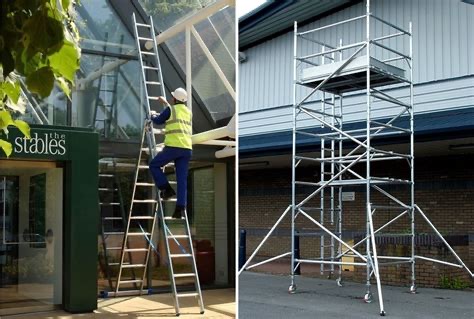
DIY projects often involve tasks like painting walls, repairing roofs, or installing fixtures that require elevation. While traditional ladders are common, scaffolding ladders offer a more stable and versatile platform, reducing the risk of falls and injuries.
Why Choose a Scaffolding Ladder?
- Stability: Scaffolding ladders provide a wider base and a platform to stand on, reducing sway and tipping risks.
- Mobility: Many scaffolding systems have wheels, allowing you to move safely without climbing down.
- Work Space: Unlike ladders, scaffolding platforms give you room to keep tools and materials close, minimizing trips up and down.
- Safety Features: Guardrails and toe boards on scaffolding platforms prevent falls and dropped objects.
Types of Scaffolding Ladders Suitable for DIY Projects
Choosing the right type of scaffolding ladder depends on your project needs, height requirements, and workspace constraints. Here are some common types:
1. Frame Scaffolding Ladder
This is the most common type used in DIY projects. It consists of metal frames connected with cross braces and a platform. It is easy to assemble and offers good stability.
2. Rolling Scaffolding Ladder
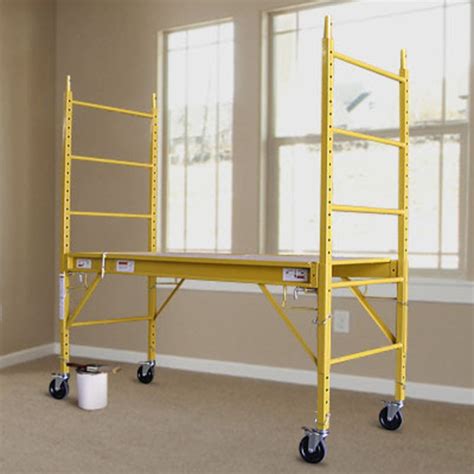
Equipped with lockable wheels, this scaffolding ladder allows you to move easily between work areas without disassembling. Ideal for indoor projects or flat surfaces.
3. Folding Scaffolding Ladder
Compact and portable, folding scaffolding ladders are perfect for smaller projects or limited storage space. However, they might not be suitable for very tall work.
4. Adjustable Scaffolding Ladder
These ladders allow height adjustments to fit different project requirements, offering flexibility and safety.
How to Set Up the Best Scaffolding Ladder Safely for DIY
Proper setup is essential to ensure your scaffolding ladder is safe to use. Follow these steps:
1. Inspect the Scaffold Components
Before assembly, check all parts for damage or wear, including the ladder rungs, platform boards, and locking mechanisms. Damaged components compromise safety.
2. Assemble on a Level Surface
Use a spirit level to ensure the base is perfectly horizontal. Uneven ground can cause instability.
3. Secure the Base
Attach base plates or wheels with brakes to prevent movement. If on wheels, always engage the brakes before climbing.
4. Install Guardrails and Toe Boards
For platforms over 10 feet high, guardrails are mandatory to prevent falls.
5. Attach the Ladder Properly
Use clamps or brackets to secure the ladder to the scaffold frame at recommended points. The ladder should be positioned at a safe angle (75-80 degrees) and firmly fixed.
6. Double-Check Stability
Before use, confirm all parts are locked and the structure is stable. Test by gently shaking to detect any movement.
Safety Tips When Using the Best Scaffolding Ladder
Using the best scaffolding ladder safely requires awareness and adherence to best practices:
- Maintain Three Points of Contact: Always keep two hands and one foot or two feet and one hand on the ladder or scaffold when climbing.
- Do Not Overload: Check the maximum load capacity of your scaffolding ladder, including your weight plus tools and materials.
- Use Personal Protective Equipment (PPE): Wear a hard hat, non-slip footwear, and a safety harness if working at heights above 10 feet.
- Avoid Overreaching: Keep your body centered on the platform and avoid leaning too far to one side.
- Keep the Platform Organized: Store tools and materials safely on the platform to avoid tripping hazards.
- Work in Good Weather Conditions: Avoid using scaffolding ladders in high winds, rain, or icy conditions.
- Never Use Damaged Equipment: If any component is cracked, bent, or missing, do not use the scaffolding ladder until repaired or replaced.
Maintenance and Inspection of the Best Scaffolding Ladder
To ensure long-term safety and functionality, regular maintenance and inspection are essential.
Routine Inspection Checklist
- Check for rust, corrosion, or cracks in metal components.
- Inspect locking pins and braces for wear.
- Ensure wheels and brakes operate smoothly.
- Verify that guardrails and toe boards are secure.
- Confirm that platforms are free from cracks or warping.
Cleaning Tips
- Remove dirt, grease, or paint that can cause slipping.
- Store scaffolding ladders in dry, sheltered areas to prevent weather damage.
Repair and Replacement
- Replace any damaged parts immediately.
- Use manufacturer-approved components for repairs.
- Never attempt to modify the scaffolding ladder beyond its design specifications.
Common DIY Projects That Benefit from the Best Scaffolding Ladder
Painting and Decorating
Scaffolding ladders provide a spacious platform to hold paint cans, brushes, and rollers, allowing painters to work safely and efficiently on walls and ceilings.
Roof Repair and Gutter Cleaning
The stability and height adjustment options of scaffolding ladders make them ideal for safely accessing roofs and gutters without the risk of ladder slips.
Window Installation and Repair
Working on windows at height requires a secure platform. Scaffolding ladders offer a stable base to handle heavy glass panes and tools.
Electrical and Lighting Installation
Installing ceiling lights or wiring requires both hands and a stable base. Scaffolding ladders provide the necessary workspace and safety.
Comparison: Best Scaffolding Ladder vs. Traditional Ladder for DIY Projects
| Feature | Best Scaffolding Ladder | Traditional Ladder |
| Stability | High - wide base and platform | Moderate - narrow base |
| Work Space | Large platform for tools and movement | Limited to ladder rungs |
| Safety Features | Guardrails, toe boards, secured ladder access | No guardrails, limited safety features |
| Mobility | Often on wheels with brakes | Portable but requires repositioning |
| Suitable for Long Tasks | Yes, comfortable for extended periods | Less comfortable, riskier for long use |
Legal and Regulatory Considerations for Scaffolding Ladder Use
OSHA and International Safety Standards
In the United States, the Occupational Safety and Health Administration (OSHA) sets strict guidelines for scaffolding use, including:
- Guardrails for platforms over 10 feet.
- Proper load rating and signage.
- Fall protection requirements.
- Regular inspections.
Other countries have similar regulatory bodies, such as the Health and Safety Executive (HSE) in the UK, mandating compliance with scaffold safety standards.
DIYers and Legal Responsibility
Even for personal projects, it is important to follow these regulations to avoid accidents and liabilities. Insurance claims may be denied if safety standards are not met.
Environmental and Ergonomic Benefits of Using the Best Scaffolding Ladder
Reduced Fatigue
Standing on a wide platform reduces strain on feet and legs compared to balancing on narrow ladder rungs.
Improved Productivity
Having tools and materials within arm's reach on the platform reduces time spent climbing up and down.
Lower Risk of Injury
The stable base and guardrails reduce the likelihood of slips and falls, leading to fewer injuries.
Tips for Choosing the Best Scaffolding Ladder for Your DIY Needs
Assess Your Project Requirements
- Height needed.
- Indoor or outdoor use.
- Frequency of use.
- Weight capacity.
Material Considerations
- Aluminum scaffolding ladders are lightweight and rust-resistant.
- Steel scaffolding ladders offer higher strength but are heavier.
Portability and Storage
- Consider folding or modular designs if storage space is limited.
- Wheels improve mobility but ensure brakes are reliable.
Budget and Warranty
- Invest in quality scaffolding ladders with good warranties.
- Avoid cheap, uncertified products that compromise safety.
Conclusion
The best scaffolding ladder is generally safer and more practical for DIY projects that require working at height compared to traditional ladders. With proper setup, inspection, and adherence to safety practices, scaffolding ladders provide a stable platform that minimizes the risk of falls and injuries. Always choose scaffolding ladders that meet safety standards, use appropriate personal protective equipment, and follow manufacturer instructions for assembly and use.
By investing time in selecting the right scaffolding ladder and maintaining it properly, DIY enthusiasts can enjoy safer, more efficient project completion.
FAQ
1. What makes a scaffolding ladder the "best" for DIY projects?
The best scaffolding ladder combines stability, safety features like guardrails, ease of mobility, and compliance with safety standards. It should be sturdy, easy to assemble, and suitable for the height and type of project you are undertaking.
2. How do I ensure my scaffolding ladder is safe before use?
Inspect all components for damage, ensure the base is level and secure, install guardrails and toe boards, attach the ladder firmly, and check for overall stability before climbing.
3. Can I use any ladder with scaffolding?
No, only ladders specifically designed for scaffolding should be used. They must be compatible with the scaffold system and securely attach to prevent slips or falls.
4. What are the common accidents related to scaffolding ladders?
Falls due to unsecured ladders, overreaching, instability, and overloading are common. Injuries can also result from structural failures or improper assembly.
5. Are there legal safety requirements for scaffolding ladders?
Yes, many regions require guardrails for platforms over 10 feet, proper ladder attachment, and use of fall protection equipment. Always check local regulations and OSHA or equivalent safety standards.