Content Menu
● What Is Tube and Clamp Scaffolding?
● Why Is Tube and Clamp Scaffolding Popular?
● Is Used Tube and Clamp Scaffolding Safe to Use?
>> 1. Condition of Components
>> 2. Proper Assembly
>> 3. Compliance with Safety Standards
>> 4. Regular Inspections and Maintenance
● How to Inspect Used Tube and Clamp Scaffolding Before Use
>> Visual Inspection
>> Load Testing
>> Documentation
● Proper Setup and Use of Used Tube and Clamp Scaffolding
>> Site Preparation
>> Erection
>> Use
>> Dismantling
● Advantages and Disadvantages of Buying Used Tube and Clamp Scaffolding
● Common Hazards Associated with Tube and Clamp Scaffolding
● Best Practices for Safe Use of Used Tube and Clamp Scaffolding
● Conclusion
● FAQ
>> 1. Is it safe to buy used tube and clamp scaffolding for sale?
>> 2. What should I look for when inspecting used tube and clamp scaffolding?
>> 3. How often should tube and clamp scaffolding be inspected?
>> 4. Can used tube and clamp scaffolding be modified?
>> 5. What safety equipment is required when working on tube and clamp scaffolding?
Tube and clamp scaffolding is a versatile and widely used system in construction and maintenance projects. However, when it comes to used tube and clamp scaffolding for sale, many people wonder about its safety. This article provides an in-depth examination of the safety considerations, inspection protocols, and best practices for using used tube and clamp scaffolding.
What Is Tube and Clamp Scaffolding?
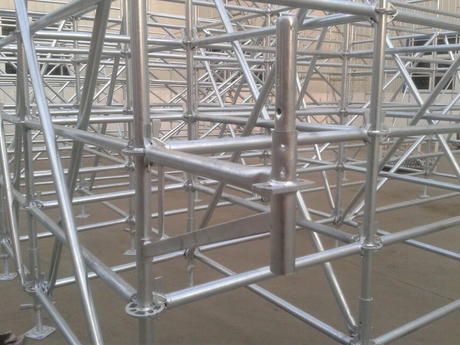
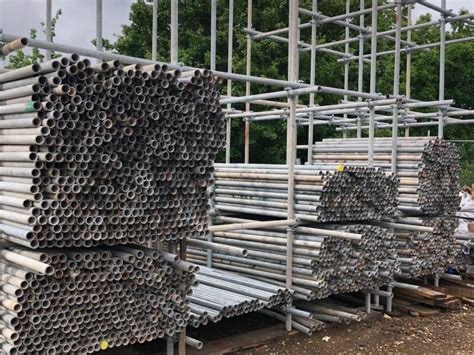
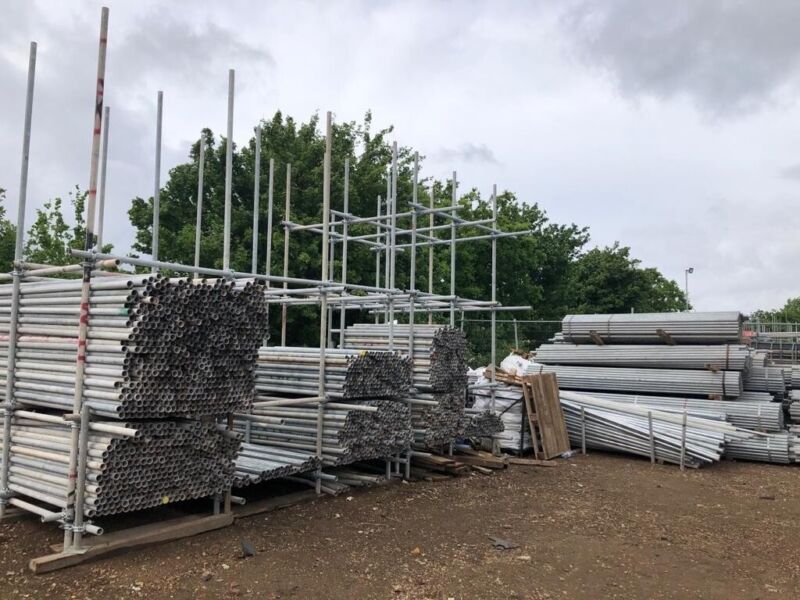
Tube and clamp scaffolding, also known as tube and coupler scaffolding, consists of steel tubes connected by clamps (couplers) to form a customizable framework. This system is highly adaptable, making it ideal for irregularly shaped structures and heavy-duty applications.
- Tubes: Steel pipes available in various lengths and diameters.
- Clamps (Couplers): Devices that connect tubes at right angles or any other angle.
- Base Plates: Provide a stable foundation.
- Braces: Diagonal tubes that increase stability.
- Platforms: Wooden or metal planks placed on horizontal tubes for workers to stand on.
Why Is Tube and Clamp Scaffolding Popular?
- Flexibility: Can be assembled in multiple configurations to fit complex structures.
- Strength: Made from high-quality steel, capable of supporting heavy loads.
- Reusability: Components can be dismantled and reused, making it cost-effective.
- Customizability: Tubes can be cut to length and clamps adjusted to fit any angle.
- Durability: Galvanized steel tubes resist corrosion and wear.
Is Used Tube and Clamp Scaffolding Safe to Use?
The safety of used tube and clamp scaffolding for sale depends on several critical factors:
1. Condition of Components
Used scaffolding must be thoroughly inspected for:
- Corrosion or Rust: Excessive rust weakens steel tubes.
- Deformation: Bent or dented tubes compromise structural integrity.
- Clamp Wear: Clamps must not be distorted or cracked.
- Platform Condition: Scaffold planks should be free from cracks, splits, or rot.
Damaged or defective parts must be removed from service immediately.
2. Proper Assembly
Even new scaffolding can be unsafe if improperly assembled. Used scaffolding requires:
- Following manufacturer guidelines and safety standards.
- Ensuring tubes are plumb and level.
- Using adequate bracing and securing clamps tightly (typically to 45 foot-pounds torque).
- Installing guardrails and toe boards on platforms over 10 feet high.
3. Compliance with Safety Standards
Used scaffolding must meet OSHA, ANSI, BS 1139, or EN 12811 standards. These specify:
- Load capacities.
- Minimum platform widths.
- Guardrail heights.
- Fall protection requirements.
4. Regular Inspections and Maintenance
- Monthly inspections by a competent person.
- Immediate replacement of damaged components.
- Quarterly audits recommended for ongoing projects.
How to Inspect Used Tube and Clamp Scaffolding Before Use
Visual Inspection
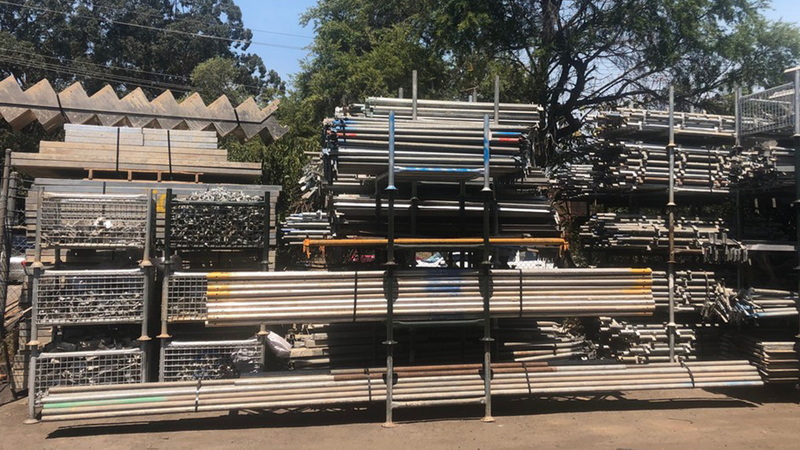
- Check all tubes for rust, cracks, dents, or bends.
- Examine clamps for distortion or missing parts.
- Inspect base plates and screw jacks for wear.
- Verify scaffold planks are graded and free of defects.
Load Testing
- If possible, conduct load tests to ensure structural integrity.
- Confirm that the scaffold can safely support workers, tools, and materials.
Documentation
- Review any previous inspection records.
- Ensure design drawings are available if scaffold height exceeds 33 feet (10 meters).
Proper Setup and Use of Used Tube and Clamp Scaffolding
Site Preparation
- Ensure the ground is firm, level, and capable of supporting the scaffold load.
- Use mud sills or base plates on soft or uneven ground.
- Adjust screw jacks only within manufacturer limits.
Erection
- Assemble vertical standards first.
- Add horizontal ledgers and diagonal braces.
- Secure clamps tightly and check all connections.
- Install platforms and guardrails before use.
Use
- Maintain three points of contact when climbing.
- Do not overload the scaffold.
- Avoid sudden movements or pushing against the scaffold.
- Use fall protection equipment as required.
Dismantling
- Reverse the assembly process carefully.
- Store components properly to prevent damage.
Advantages and Disadvantages of Buying Used Tube and Clamp Scaffolding
| Advantages | Disadvantages |
| Cost-effective compared to new scaffolding | Potential hidden damage or wear |
| Environmentally friendly due to reuse | Requires thorough inspection before use |
| Flexible and customizable | May lack warranty or manufacturer support |
| Components are readily available | Safety depends heavily on user expertise |
Common Hazards Associated with Tube and Clamp Scaffolding
- Falls from height: Due to missing guardrails or unstable platforms.
- Structural collapse: Caused by damaged components or improper assembly.
- Tip-overs: Resulting from uneven footing or inadequate bracing.
- Falling objects: Tools or materials dropped from platforms.
- Electrocution: When scaffolding contacts energized power lines.
Best Practices for Safe Use of Used Tube and Clamp Scaffolding
- Always use scaffolding erected by trained and competent personnel.
- Conduct a hazard assessment before starting work.
- Use personal protective equipment (PPE) including hard hats, safety harnesses, and non-slip footwear.
- Keep platforms clear of debris and organized.
- Regularly inspect scaffolding during use, especially after storms or heavy use.
- Follow all local regulations and standards.
Conclusion
Used tube and clamp scaffolding can be safe to use if it is properly inspected, maintained, and assembled according to safety standards. The key to safety lies in thorough inspection of used components, compliance with OSHA and ANSI regulations, and ensuring that the scaffolding is erected and used by trained personnel. While buying used tube and clamp scaffolding for sale offers cost benefits and flexibility, it demands a higher level of vigilance to avoid hazards.
By implementing rigorous safety protocols and regular inspections, used tube and clamp scaffolding remains a reliable and effective option for many construction and maintenance projects.
FAQ
1. Is it safe to buy used tube and clamp scaffolding for sale?
Yes, provided the equipment is thoroughly inspected for damage, corrosion, and wear, and meets safety standards before use.
2. What should I look for when inspecting used tube and clamp scaffolding?
Check for rust, dents, cracks, clamp distortion, platform condition, and ensure all components fit securely without play.
3. How often should tube and clamp scaffolding be inspected?
Monthly inspections by a competent person are recommended, with additional checks after adverse weather or heavy use.
4. Can used tube and clamp scaffolding be modified?
Modifications should only be done by qualified engineers and must comply with safety standards to avoid compromising structural integrity.
5. What safety equipment is required when working on tube and clamp scaffolding?
Workers should wear hard hats, safety harnesses with lifelines, non-slip footwear, gloves, and eye protection as appropriate.