Content Menu
● Introduction to Cuplock Scaffolding
● The Japanese Cuplock Scaffolding Market Landscape
● Leading Cuplock Scaffolding Manufacturers and Suppliers in Japan
>> 1. SUGIKO Group
>> 2. Heiwa Giken Co., Ltd.
>> 3. Nisso Industries Co., Ltd.
>> 4. Shinwa Co., Ltd.
>> 5. KYC Machine Industry Co., Ltd.
● Cuplock Scaffolding System Components in Japan
● Applications of Cuplock Scaffolding in Japan
● Technological Innovations in Japanese Cuplock Scaffolding
● Role of Chinese OEM Manufacturers in the Japanese Cuplock Market
● Key Features to Consider When Choosing Cuplock Scaffolding Suppliers in Japan
● Advantages of Cuplock Scaffolding Systems
● Conclusion
● FAQ
>> 1. What certifications do Cuplock scaffolding manufacturers in Japan typically hold?
>> 2. Can Chinese OEM manufacturers customize Cuplock scaffolding products for the Japanese market?
>> 3. How do Japanese suppliers maintain high safety standards in Cuplock scaffolding?
>> 4. What additional support do suppliers offer for complex scaffolding projects?
>> 5. Are Cuplock scaffolding rental services widely available in Japan?
Cuplock scaffolding systems are gaining increasing importance in Japan's construction industry due to their modular design, ease of assembly, safety, and versatility. For a Chinese scaffolding material manufacturer providing OEM services to foreign brands, wholesalers, and producers, understanding Japan's Cuplock scaffolding manufacturers and suppliers landscape is essential for expanding business relationships and tapping into this advanced market. This comprehensive article explores the top Cuplock scaffolding manufacturers and suppliers in Japan, their products, industry innovations, applications, OEM collaboration with Chinese manufacturers, and answers frequently asked questions.
Introduction to Cuplock Scaffolding
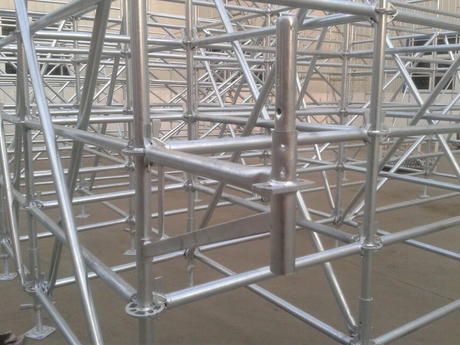
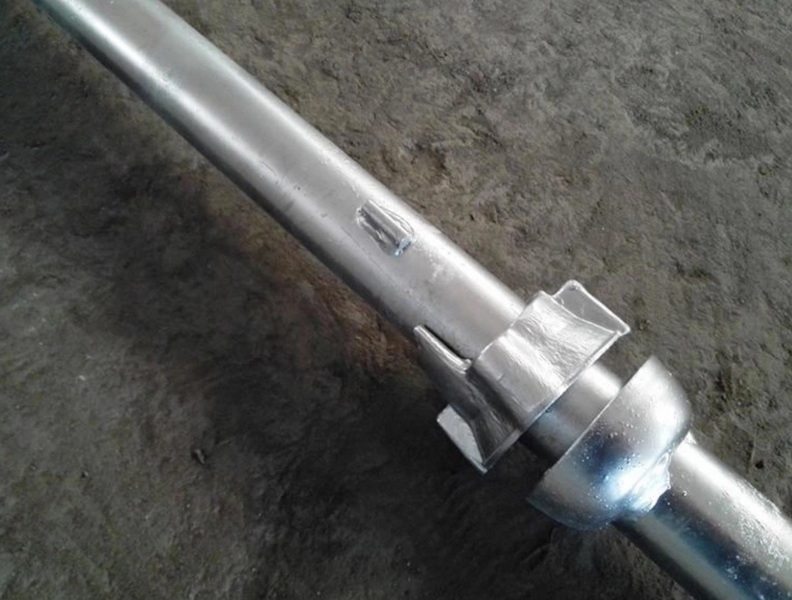
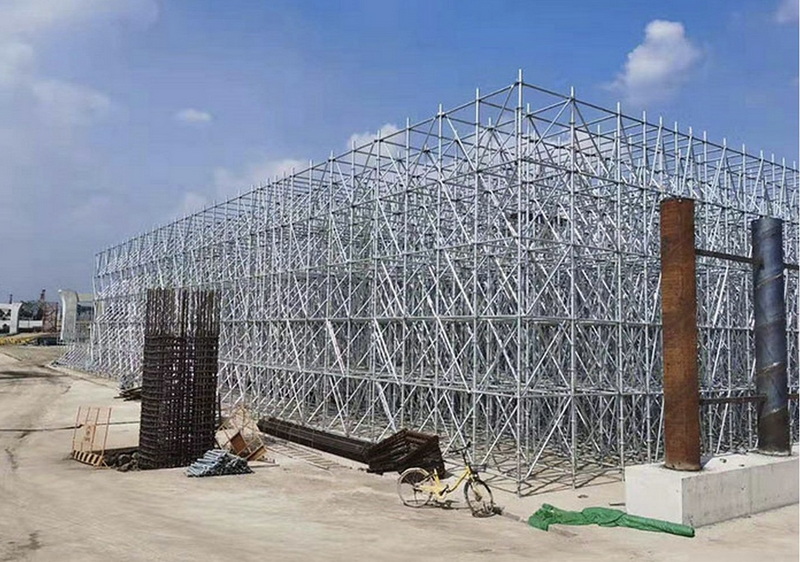
Cuplock scaffolding is a modular steel tube system characterized by a unique locking cup and wedge mechanism that connects vertical standards and horizontal ledgers securely and quickly. This allows fast erection and dismantling, improving project efficiency while ensuring workplace safety. Widely used in industrial maintenance, large construction sites, and offshore applications globally, Cuplock scaffolding suits Japan's focus on high construction standards, rigorous safety compliance, and technology-driven industrial operations.
Japanese construction companies require scaffolding systems that meet local and international certifications, including Japanese Industrial Standards (JIS) and International Organization for Standardization (ISO). Cuplock scaffolds are prized for their robust load capacities, flexible configurations, and durability under Japan's varied climatic conditions.
The Japanese Cuplock Scaffolding Market Landscape
Japan's construction and industrial sectors place strong emphasis on safety, quality, and efficiency. Cuplock scaffolding is favored due to its:
- Safety and Compliance: Products meet JIS standards and often international ISO certifications.
- Technological Rigor: Manufacturing involves advanced automated welding, robotic fabrication, and precision engineering.
- Versatility: Used in high-rise buildings, bridges, petrochemical plants, shipyards, and temporary event structures.
- Strong Local Manufacturers: Japanese companies specialize in both production and rental, with extensive industry experience.
- OEM Collaboration: Chinese manufacturers provide OEM services with customization and certification compliance for the Japanese market.
Leading Cuplock Scaffolding Manufacturers and Suppliers in Japan
1. SUGIKO Group
- Location: Yokohama, Kanagawa Prefecture
- Specialty: Ringlock scaffolding, staircases, toeboards, and diagonal braces; includes Cuplock scaffolding systems in their portfolio.
- Strength: Established in 1972, SUGIKO has decades of experience and multiple sales offices across Japan, providing both sales and rental services.
- Certifications: Meets all major national safety regulations and industrial standards.
2. Heiwa Giken Co., Ltd.
- Location: Kitakyushu City, Fukuoka Prefecture
- Specialty: Scaffolding couplers, joints, base jacks, and full system components including Cuplock scaffolding parts.
- Experience: Over 40% share in Japan's scaffolding cross brace market and strong OEM capabilities for international clients.
- Certifications: JIS compliant with rigorous in-house testing.
3. Nisso Industries Co., Ltd.
- Location: Tokyo
- Specialty: Façade frames, frame scaffolding, toe boards, ringlock, and Cuplock scaffolding.
- Application: Used extensively in civil engineering, commercial buildings, and bridge maintenance projects.
- Strength: High load-bearing, corrosion resistance, and wear durability.
4. Shinwa Co., Ltd.
- Location: Gifu Prefecture
- Specialty: Ringlock scaffolding, Kwikstage, tubular scaffolding, and scaffolding accessories.
- Commitment: Sustainability and recycling initiatives are core to their production practices.
- Certifications: ISO 9001 and JIS standards.
5. KYC Machine Industry Co., Ltd.
- Location: Osaka
- Specialty: Ringlock scaffolding, steel pipes, aluminum steel planks, and Cuplock components.
- Strength: Known for precision engineering, mechanical strength, and extensive sales coverage throughout Japan.
Cuplock Scaffolding System Components in Japan
Cuplock systems rely on high-quality, precisely manufactured components to ensure safety and ease of use:
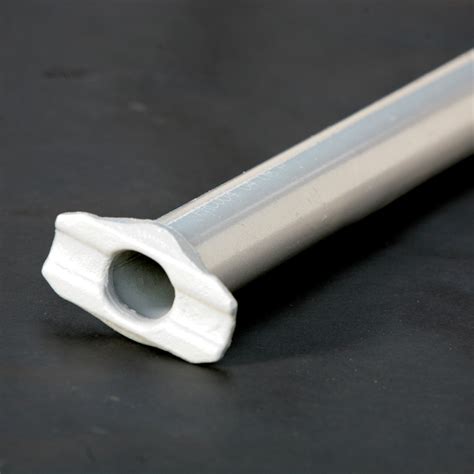
- Standards (Vertical Tubes): Welded with bottom cups for receiving ledgers, facilitating stable vertical framing.
- Ledgers (Horizontal Tubes): Connect standards at 90 degrees using Cuplock locking wedges, ensuring seamless joints at any height.
- Transoms: Provide cross-platform support and increase load capacity.
- Cup Locks: The core patented mechanism enabling quick, secure locking without complex tools.
Applications of Cuplock Scaffolding in Japan
Cuplock scaffolding in Japan serves many critical sectors:
- High-rise and Commercial Construction: Provides safe and rapid scaffolding solutions adaptable to multi-story buildings, commercial complexes, and renovations.
- Industrial Maintenance: Widely applied in power plants, refineries, factories, and large industrial refurbishments requiring durable scaffolding.
- Infrastructure Projects: Bridges, tunnels, highways, and rail infrastructure utilize Cuplock systems for their flexibility to conform to complex geometries.
- Shipyards and Port Facilities: Galvanized and coated Cuplock components offer excellent corrosion resistance, vital for maritime environments.
- Temporary Installations: Frequently used for event staging, exhibition stands, and emergency access structures benefiting from fast installation and removal.
Technological Innovations in Japanese Cuplock Scaffolding
Japan is at the forefront of innovation in scaffolding manufacturing, especially in Cuplock systems:
- Automated Robotic Welding: Ensures uniform weld quality, structural consistency, and minimal defect rates.
- Precision CNC Fabrication: Enhances dimensional accuracy, promoting safer assemblies and interchangeability.
- Coating Technologies: Hot-dip galvanizing and powder coatings provide superior corrosion resistance essential for harsh coastal and industrial zones.
- Digital Design Tools: CAD and Building Information Modeling (BIM) software streamline scaffold design, customizing projects, and speeding approval processes.
- Eco-Friendly Manufacturing: Emphasizes steel recycling programs and environmentally conscious production facilities reducing carbon footprint.
Role of Chinese OEM Manufacturers in the Japanese Cuplock Market
Chinese manufacturers offering OEM services significantly strengthen Japan's Cuplock market supply chain:
- Tailored OEM Production: Customizing dimensions, coatings, and branding to meet Japanese and international standards.
- Quality Assurance: Ensures compliance with JIS, ISO, and industry regulations via rigorous inspections.
- Efficient Logistics: Reliable supply chains support timely deliveries to Japanese distributors and project sites.
- Competitive Pricing: Helps Japanese brands maintain competitive pricing while upholding high safety and quality standards.
These partnerships broaden product choices and support innovation in Japan's scaffolding industry.
Key Features to Consider When Choosing Cuplock Scaffolding Suppliers in Japan
1. Certifications and Compliance: Look for JIS, ISO, and EN standards certification as indicators of trusted quality and safety.
2. Engineering Support: Assess availability of project design consultation, on-site assembly training, and technical service.
3. OEM Flexibility: Prefer suppliers who can customize products to fit specific project requirements and branding demands.
4. Reliable Delivery and After-Sales Service: A strong logistics system and post-sale support ensure project continuity and equipment longevity.
5. Reputation and Track Record: Collaborate with manufacturers known for quality, safety, and amicable customer relations.
Advantages of Cuplock Scaffolding Systems
- Fast Assembly and Disassembly: Significantly reduces labor costs and accelerates construction schedules.
- High Strength and Load Capacity: Suitable for demanding industrial, commercial, and infrastructure applications.
- Improved Safety with Secure Cup Locking: Reduces risk of joint failures, increasing protection for workers.
- Modular Flexibility: Easily adapts to varied site conditions and complex architectural designs.
- Durability and Low Maintenance: Corrosion-resistant coatings guarantee long service life with minimal upkeep.
Conclusion
Japan's Cuplock scaffolding industry is supported by reputable manufacturers and suppliers like SUGIKO Group, Heiwa Giken, Nisso Industries, Shinwa, and KYC Machine Industry, all committed to quality, safety, and innovation. Their products meet stringent Japanese and international standards, making them integral to Japan's high-standard construction and industrial sectors.
Chinese OEM manufacturers play a significant role by supplying versatile, cost-effective, and certified Cuplock components tailored for Japanese applications. This partnership enhances market flexibility, product innovation, and competitive pricing.
Together, these forces deliver reliable, safe, and efficient Cuplock scaffolding solutions that uphold Japan's reputation for engineering excellence and construction quality.
FAQ
1. What certifications do Cuplock scaffolding manufacturers in Japan typically hold?
Manufacturers usually comply with Japanese Industrial Standards (JIS) as well as international ISO and EN certifications, ensuring structural safety and quality.
2. Can Chinese OEM manufacturers customize Cuplock scaffolding products for the Japanese market?
Yes, many Chinese OEM suppliers offer tailored products matching Japanese regulations, including customized dimensions, coatings, and branding to fit client needs.
3. How do Japanese suppliers maintain high safety standards in Cuplock scaffolding?
Through automated production technologies, stringent quality control, third-party certifications, and ongoing R&D aligned with evolving construction safety requirements.
4. What additional support do suppliers offer for complex scaffolding projects?
Engineering consultancy, detailed technical documentation, on-site training, and assembly supervision are typically provided to ensure correct and safe scaffold installation.
5. Are Cuplock scaffolding rental services widely available in Japan?
Yes, many Japanese suppliers, such as the SUGIKO Group, provide flexible rental options in addition to sales, catering to short-term and long-term construction needs.