Content Menu
● Introduction to Pipe Clamp Fittings Scaffolding
● Types of Pipe Clamp Fittings for Scaffolding
>> 1. Right Angle Clamp (Double Coupler)
>> 2. Swivel Clamp
>> 3. Sleeve Clamp (Joint Pin Coupler)
>> 4. Putlog Clamp (Single Coupler)
>> 5. Board Retaining Clamp
>> 6. Girder Clamp and Beam Clamp
● How Pipe Clamp Fittings Scaffolding Works
>> Assembly Process:
● Key Applications of Pipe Clamp Fittings Scaffolding
>> 1. High-Rise Building Construction
>> 2. Bridge and Infrastructure Projects
>> 3. Industrial Facilities
>> 4. Water Conservancy Projects
>> 5. Residential and Commercial Construction
● Advantages and Limitations
>> Advantages of Pipe Clamp Fittings Scaffolding
>> Limitations
● Assembly, Maintenance, and Safety
>> Assembly Tips
>> Maintenance Best Practices
>> Safety Considerations
● Pipe Clamp Fittings Scaffolding in Different Industries
● Pipe Clamp Fittings Scaffolding: Innovations and Future Trends
● Environmental and Economic Impact
● Conclusion
● FAQ
>> 1. What are the main types of pipe clamp fittings for scaffolding?
>> 2. How do pipe clamp fittings scaffolding systems ensure safety?
>> 3. Where is pipe clamp fittings scaffolding most commonly used?
>> 4. What are the best practices for maintaining pipe clamp fittings scaffolding?
>> 5. Can pipe clamp fittings scaffolding be reused for multiple projects?
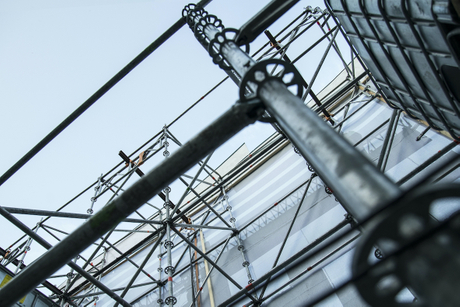
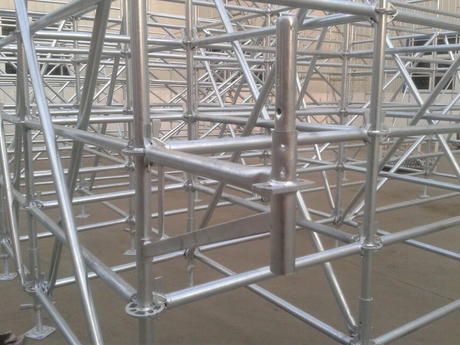
Pipe clamp fittings scaffolding—also known as tube and clamp, tube and coupler, or tube and fitting scaffolding—is one of the most versatile and widely used scaffolding systems in the construction industry. These fittings are the essential connectors that join scaffold pipes, enabling the creation of safe, adaptable, and robust temporary structures for working at height.
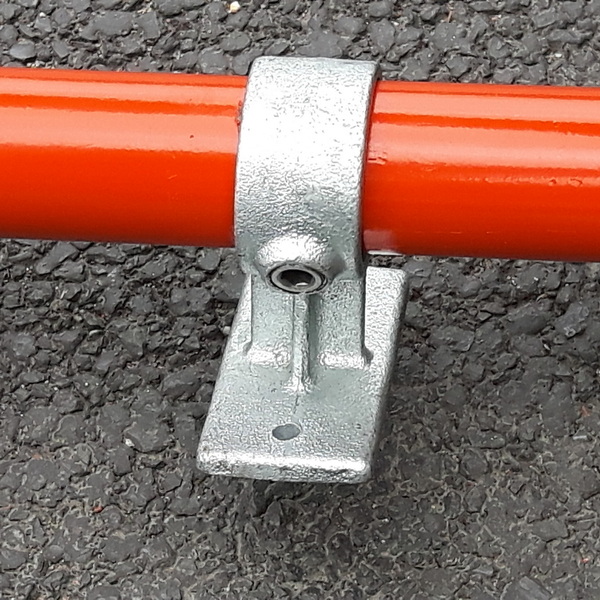
Introduction to Pipe Clamp Fittings Scaffolding
Pipe clamp fittings scaffolding is a modular system built from steel or aluminum tubes and a variety of specialized clamps (fittings or couplers). These fittings connect the tubes at various angles and configurations, forming the framework that supports platforms, guardrails, and other scaffold components. The adaptability of pipe clamp fittings scaffolding makes it suitable for everything from residential renovations to massive industrial projects.
Types of Pipe Clamp Fittings for Scaffolding
Pipe clamp fittings scaffolding relies on several key types of clamps, each designed for specific connections and structural roles:
1. Right Angle Clamp (Double Coupler)
- Purpose: Connects two scaffold pipes at a 90-degree angle.
- Use Case: Forms the basic vertical and horizontal framework of the scaffold.
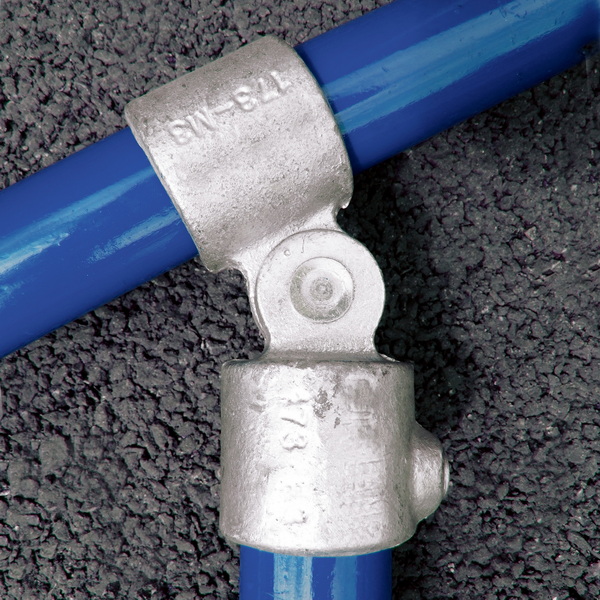
2. Swivel Clamp
- Purpose: Joins pipes at any angle, allowing for diagonal bracing.
- Use Case: Essential for creating stability and accommodating irregular building shapes.
3. Sleeve Clamp (Joint Pin Coupler)
- Purpose: Joins two pipes end-to-end to extend their length.
- Use Case: Used when longer scaffold runs are required.
4. Putlog Clamp (Single Coupler)
- Purpose: Connects a putlog or transom to a ledger at a right angle.
- Use Case: Supports lightweight platforms, often in bricklaying scaffolds.
5. Board Retaining Clamp
- Purpose: Secures scaffold boards to prevent movement.
- Use Case: Increases safety by keeping walking platforms stable.
6. Girder Clamp and Beam Clamp
- Purpose: Attaches scaffolding to steel beams or girders.
- Use Case: Used in industrial and bridge projects for anchoring.
Common Pipe Clamp Fittings for Scaffolding
Clamp Type |
Function |
Typical Application |
Right Angle Coupler |
90° connection |
Main frames, ledgers, standards |
Swivel Coupler |
Any angle connection |
Diagonal bracing, custom angles |
Sleeve Coupler |
End-to-end tube connection |
Extending scaffold runs |
Putlog Coupler |
Ledger to transom connection |
Supporting platforms |
Board Retaining Clamp |
Securing scaffold boards |
Platform safety |
Girder/Beam Clamp |
Attaching to beams/girders |
Industrial, bridge scaffolding |
How Pipe Clamp Fittings Scaffolding Works
Pipe clamp fittings scaffolding is assembled by connecting vertical standards and horizontal ledgers with right angle clamps, then adding diagonal braces with swivel clamps for stability. Platforms are placed on ledgers, and additional fittings are used to secure boards, guardrails, and toe boards.
Assembly Process:
1. Foundation: Place base plates and sills on level ground.
2. Vertical Standards: Install vertical tubes and secure with right angle clamps.
3. Horizontal Ledgers: Connect horizontal tubes at desired heights.
4. Diagonal Bracing: Use swivel clamps for diagonal tubes to add rigidity.
5. Platforms and Guardrails: Place scaffold boards and secure with board retaining clamps; add guardrails and toe boards.
6. Inspection: Check all fittings for tightness and integrity.
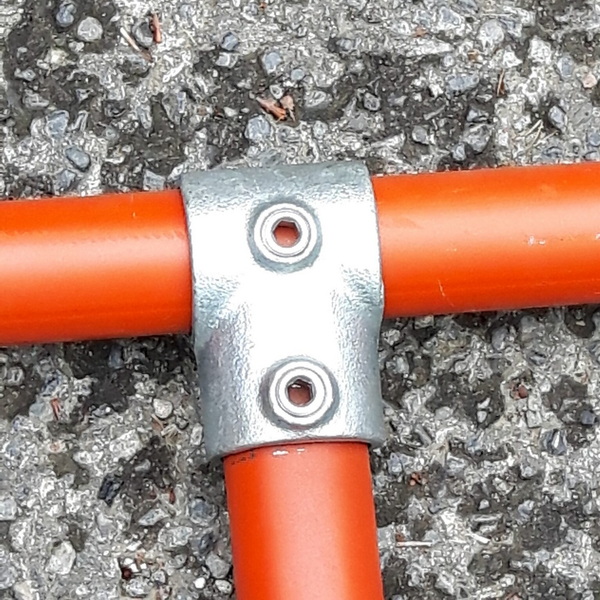
Key Applications of Pipe Clamp Fittings Scaffolding
Pipe clamp fittings scaffolding is renowned for its adaptability and is used across a wide range of construction and maintenance projects:
1. High-Rise Building Construction
- Exterior work such as painting, window installation, and facade repairs.
- Customizable to fit complex building shapes and heights.
2. Bridge and Infrastructure Projects
- Provides access to hard-to-reach areas under bridges or over water.
- Girder and beam clamps anchor scaffolding to steel structures.
3. Industrial Facilities
- Used in refineries, power plants, and factories for maintenance and repairs.
- Withstands heavy loads and harsh environments.
4. Water Conservancy Projects
- Supports work on dams, canals, and water treatment plants.
- Stable platforms over uneven or wet terrain.
5. Residential and Commercial Construction
- Ideal for roofing, siding, and renovations.
- Quick assembly and disassembly for smaller projects.
Advantages and Limitations
Advantages of Pipe Clamp Fittings Scaffolding
- Versatility: Can be configured to fit any building shape or size.
- High Load Capacity: Single-tube columns can support 15kN–35kN.
- Reusability: Steel tubes and clamps are durable and reusable, reducing costs.
- Efficient Storage: High volume-to-space ratio for easy transport and storage.
- Customizability: Platforms, heights, and angles can be adjusted as needed.
- Compliance: Meets or exceeds safety standards (OSHA, ANSI, BS, EN).
Limitations
- Labor Intensive: Requires skilled workers for proper assembly and inspection.
- Component Loss: Small fittings can be misplaced if not managed carefully.
- Maintenance: Regular inspection and maintenance are essential for safety.
- Assembly Time: Slower to erect than some modular systems for simple projects.
Assembly, Maintenance, and Safety
Assembly Tips
- Always start on the highest ground point for stability.
- Use the 3-4-5 triangle method to ensure the scaffold is square.
- Tighten all clamps to the manufacturer's specified torque (typically 45 ft-lbs).
- Install bracing and ties as the scaffold is erected for stability.
Maintenance Best Practices
- Regular Inspections: Check clamps, tubes, and platforms for wear, rust, or damage before each use.
- Cleaning: Remove dirt, paint, and debris from fittings to prevent false torque or loosening.
- Storage: Store clamps and tubes in dry, organized areas to prevent corrosion and loss.
- Lubrication: Apply lubricant to moving parts as needed for smooth assembly.
- Replacement: Discard and replace any defective or worn-out fittings immediately.
Safety Considerations
- Only trained personnel should erect, modify, or dismantle scaffolding.
- Use guardrails, toe boards, and fall protection systems as required.
- Never exceed the scaffold's load capacity.
- Tag scaffolds after inspection to indicate safety status.
- Adhere to all relevant safety standards and regulations.
Pipe Clamp Fittings Scaffolding in Different Industries
Pipe clamp fittings scaffolding is not limited to construction—it is also used in:
- Event Staging: Temporary platforms and stages for concerts and events.
- Shipbuilding and Repairs: Access for hull maintenance and painting.
- Aviation: Maintenance platforms for aircraft.
- Art Installations: Supporting large-scale public art or museum exhibits.
Pipe Clamp Fittings Scaffolding: Innovations and Future Trends
With the evolution of construction technology, pipe clamp fittings scaffolding continues to advance. Modern materials, such as lightweight aluminum alloys, are increasingly used for tubes and fittings, reducing overall weight and making assembly faster and safer. Some manufacturers have introduced color-coded or quick-lock fittings to simplify identification and speed up installation. Additionally, digital tools and Building Information Modeling (BIM) are being used to design and plan complex scaffolding layouts, improving efficiency and minimizing errors.
As sustainability becomes a greater priority, many companies are focusing on recyclable materials and environmentally friendly coatings for pipe clamp fittings scaffolding. Innovations in anti-corrosion technology and modular component design further extend the lifespan and reusability of scaffolding systems.
Environmental and Economic Impact
Pipe clamp fittings scaffolding offers significant environmental and economic benefits. Its reusability reduces waste and the need for new materials, supporting green building initiatives. The steel and aluminum components are fully recyclable at the end of their service life. From an economic perspective, the long lifespan and adaptability of pipe clamp fittings scaffolding mean lower long-term costs, especially for companies handling diverse and complex projects.
Conclusion
Pipe clamp fittings scaffolding is a cornerstone of modern construction and maintenance, offering unmatched versatility, strength, and adaptability. By connecting scaffold tubes with specialized fittings—such as right angle, swivel, sleeve, and board retaining clamps—crews can create safe, stable platforms for a vast array of tasks. While proper assembly, maintenance, and inspection are essential, the benefits of pipe clamp fittings scaffolding make it a preferred solution across industries. Whether for complex high-rise projects, industrial maintenance, or residential renovations, pipe clamp fittings scaffolding provides the reliability and flexibility needed for safe and efficient work at height.
FAQ
1. What are the main types of pipe clamp fittings for scaffolding?
The main types include right angle (double) couplers, swivel couplers, sleeve couplers, putlog couplers, board retaining clamps, and girder/beam clamps. Each serves a specific structural or safety function in pipe clamp fittings scaffolding.
2. How do pipe clamp fittings scaffolding systems ensure safety?
By securely connecting tubes at precise angles and providing bracing, guardrails, and toe boards, pipe clamp fittings scaffolding creates a stable and safe platform. Regular inspections and adherence to standards are critical for safety.
3. Where is pipe clamp fittings scaffolding most commonly used?
It is widely used in high-rise construction, bridge projects, industrial facilities, water conservancy works, and residential/commercial construction due to its adaptability and strength.
4. What are the best practices for maintaining pipe clamp fittings scaffolding?
Regular inspection, cleaning, proper storage, lubrication of moving parts, and immediate replacement of defective fittings are essential for maintaining safe and effective pipe clamp fittings scaffolding.
5. Can pipe clamp fittings scaffolding be reused for multiple projects?
Yes. High-quality steel tubes and fittings are designed for repeated use, provided they are properly maintained and stored, making pipe clamp fittings scaffolding a cost-effective and sustainable choice.