Content Menu
● Introduction to Aluminum Board for Scaffolding
● Key Benefits of Aluminum Scaffold Boards
>> 1. Lightweight and Easy Handling
>> 2. Superior Strength and Load Capacity
>> 3. Durability and Corrosion Resistance
>> 4. Safety and Stability
>> 5. Longevity and Cost-Effectiveness
● Aluminum vs. Wood and Steel Boards
● Applications and Versatility
● Environmental and Economic Impact
>> 1. Sustainability
>> 2. Cost Savings
● Safety Features and Best Practices
>> 1. Non-Slip Surfaces
>> 2. Secure Locking Mechanisms
>> 3. Compliance with Standards
>> 4. Easy Inspection and Maintenance
● Maintenance and Inspection Tips
● Innovations in Aluminum Scaffold Board Design
● Conclusion
● FAQ
>> 1. How much weight can an aluminum board for scaffolding support?
>> 2. Are aluminum scaffold boards compatible with all scaffolding systems?
>> 3. Do aluminum boards require special maintenance?
>> 4. Are aluminum boards safe to use in wet or outdoor conditions?
>> 5. Is the higher initial cost of aluminum boards justified?
Aluminum boards for scaffolding have rapidly become the industry standard for safe, efficient, and long-lasting work platforms in construction, maintenance, and industrial settings. This article explores the comprehensive benefits of using aluminum board for scaffolding, comparing them to traditional materials, and providing practical insights for professionals and DIYers alike.
Introduction to Aluminum Board for Scaffolding
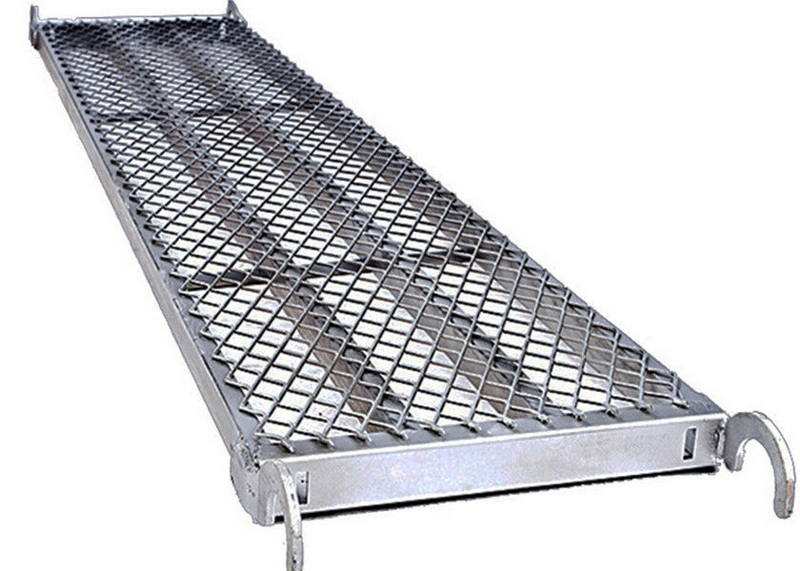
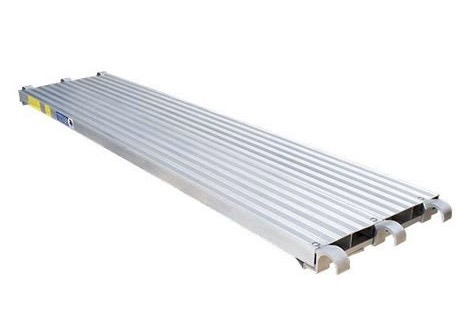
Aluminum boards, also known as aluminum scaffold planks or walk boards, are engineered platforms designed to support workers and materials at height. Unlike traditional wooden or steel planks, aluminum boards are manufactured from high-grade alloys (commonly 6061-T6), offering a superior strength-to-weight ratio, corrosion resistance, and adaptability. They are widely used in supported and suspended scaffolding systems across residential, commercial, and industrial projects.
Key Benefits of Aluminum Scaffold Boards
1. Lightweight and Easy Handling
One of the most significant advantages of aluminum board for scaffolding is their lightweight nature. Compared to wooden or steel planks, aluminum boards are much easier to carry, transport, and install, reducing worker fatigue and increasing productivity. For example, a 7-foot aluminum plank typically weighs around 30 pounds, while a wooden plank of similar size can weigh significantly more.
2. Superior Strength and Load Capacity
Despite their lightness, aluminum boards are engineered for strength. Many models are rated for 75 lbs per square foot, qualifying them for heavy-duty applications under OSHA standards. Reinforced joints and grooved surfaces ensure that the boards can support multiple workers and heavy materials without bending or breaking.
3. Durability and Corrosion Resistance
Aluminum naturally forms a protective oxide layer, making it highly resistant to rust and corrosion. This means aluminum boards retain their structural integrity and appearance even after years of use in harsh weather or chemical environments. Unlike wood, aluminum does not rot, warp, or splinter, and unlike steel, it does not require regular painting or maintenance to prevent rust.
4. Safety and Stability
Safety is paramount in scaffolding, and aluminum boards deliver with non-slip grooved surfaces, twist-proof designs, and secure locking mechanisms. These features reduce the risk of slips, trips, and falls, ensuring a stable platform for workers. Many boards come with replaceable hooks and locking end caps to keep them securely attached to scaffold frames.
5. Longevity and Cost-Effectiveness
While the initial investment in aluminum board for scaffolding may be higher than wood, their extended lifespan and minimal maintenance requirements make them more cost-effective over time. Aluminum boards do not require frequent replacement, painting, or sealing, resulting in significant long-term savings for contractors and building owners.
Aluminum vs. Wood and Steel Boards
Feature | Aluminum Board for Scaffolding | Wood Board | Steel Board |
Weight | Very light | Heavy | Very heavy |
Strength-to-Weight | Excellent | Moderate | High |
Corrosion Resistance | High | Low | Moderate |
Maintenance | Minimal | High | Moderate |
Lifespan | 10+ years | 1-5 years | 5-10 years |
Safety Features | Non-slip, locking, twist-proof | May splinter/warp | Can rust, slippery |
Cost (Long-Term) | Low | High (replacements) | Moderate |
Environmental Impact | Recyclable, low waste | Renewable, but short life | Recyclable, energy intensive |
Aluminum boards outperform wood and steel in almost every category, especially when considering safety, durability, and ease of use.
Applications and Versatility
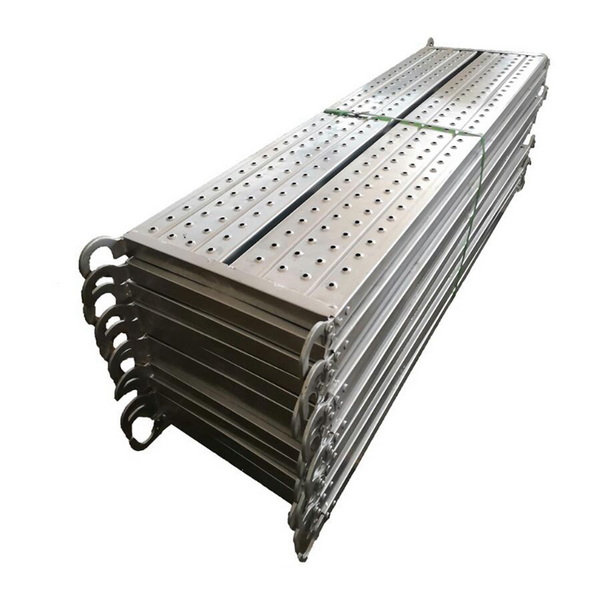
Aluminum board for scaffolding is used in a wide range of applications:
- Construction Sites: For masonry, siding, painting, and window installation.
- Maintenance and Repairs: Ideal for both indoor and outdoor work, including cleaning and restoration.
- Industrial Facilities: Used in plants, refineries, and warehouses for safe access at height.
- Events and Exhibitions: Temporary stages and platforms.
- Residential Projects: Home renovations, roofing, and gutter work.
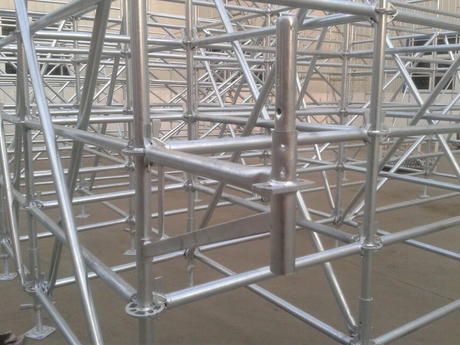
Their adaptability allows aluminum boards to be used with various scaffolding systems, including frame, ringlock, cuplock, and suspended scaffolds.
Environmental and Economic Impact
1. Sustainability
Aluminum is infinitely recyclable without loss of quality, making aluminum boards an eco-friendly choice. Their long lifespan and resistance to deterioration mean fewer replacements and less waste compared to wood or steel.
2. Cost Savings
- Lower Labor Costs: Lightweight boards reduce the manpower needed for transport and assembly.
- Reduced Replacement Costs: Durability means fewer purchases over the lifespan of a project.
- Minimal Maintenance: No need for painting, sealing, or rust prevention treatments.
Safety Features and Best Practices
1. Non-Slip Surfaces
Grooved or textured decking provides secure footing, even in wet or oily conditions.
2. Secure Locking Mechanisms
Many aluminum boards feature locking hooks or end caps to prevent accidental dislodgement from the scaffold frame.
3. Compliance with Standards
High-quality aluminum boards are designed to meet or exceed OSHA and ANSI safety standards, ensuring reliable performance and worker protection.
4. Easy Inspection and Maintenance
Aluminum boards are easy to inspect for damage or wear. If a board is compromised, it can be replaced or repaired quickly, minimizing downtime.
Maintenance and Inspection Tips
Proper maintenance and regular inspections are essential for maximizing the lifespan and safety of aluminum board for scaffolding. Here are some best practices:
- Visual Inspection: Before each use, check for dents, cracks, or any warping that could compromise strength.
- Cleaning: Remove dirt, oil, or concrete residue after every project. Use mild detergents and avoid harsh chemicals that could corrode the protective oxide layer.
- Storage: Store boards in a dry, covered area to avoid unnecessary exposure to harsh elements, even though aluminum is corrosion-resistant.
- Repair: Replace worn-out hooks or end caps immediately. If a board is severely damaged, retire it from service.
Regular care ensures that aluminum boards maintain their performance and safety features for many years.
Innovations in Aluminum Scaffold Board Design
The evolution of aluminum board for scaffolding continues, with manufacturers introducing new features to enhance safety and usability:
- Integrated Toe Boards: Some boards now include built-in toe boards to prevent tools and materials from falling.
- Color-Coded Ends: For easy identification of length and compatibility.
- Ergonomic Carry Handles: Molded or attached handles make transport even easier.
- Advanced Locking Systems: Quick-release and self-locking mechanisms improve both speed and safety during setup and takedown.
- Custom Lengths and Widths: To fit specialized scaffolding systems and unique jobsite requirements.
These innovations ensure that aluminum boards remain at the forefront of scaffolding technology, continually improving worker safety and efficiency.
Conclusion
Aluminum board for scaffolding offers unmatched benefits in terms of safety, strength, durability, and ease of use. Their lightweight design, superior load capacity, and resistance to corrosion make them the ideal choice for modern construction and maintenance projects. Over time, the cost savings from reduced replacements and minimal maintenance, combined with their environmental advantages, make aluminum boards a smart investment for any scaffolding application. Whether you're a contractor, facility manager, or DIY enthusiast, choosing aluminum boards ensures a safer, more efficient, and more sustainable work environment.
FAQ
1. How much weight can an aluminum board for scaffolding support?
Most standard aluminum boards are rated for 75 lbs per square foot for 7-foot boards and 50 lbs per square foot for 10-foot boards, meeting OSHA heavy-duty requirements.
2. Are aluminum scaffold boards compatible with all scaffolding systems?
Yes, aluminum boards are designed to fit most major scaffolding systems, including frame, ringlock, and cuplock. Always check the board's width and hooks for compatibility with your specific setup.
3. Do aluminum boards require special maintenance?
No, aluminum boards require minimal maintenance. They do not rust, rot, or need painting. Regular inspections for physical damage are recommended for safety.
4. Are aluminum boards safe to use in wet or outdoor conditions?
Yes, aluminum boards are highly resistant to corrosion and feature non-slip surfaces, making them safe for use in wet or harsh outdoor environments.
5. Is the higher initial cost of aluminum boards justified?
Absolutely. The longer lifespan, reduced maintenance, and fewer replacements make aluminum boards more cost-effective over time compared to wood or steel alternatives.