Content Menu
● Introduction to Coupler Scaffolding Systems
● Components of Coupler Scaffolding Systems
● Benefits of Coupler Scaffolding Systems
>> High Versatility
>> Robust Strength
>> Customizable Heights
>> Durability
>> Wide Range of Applications
● Safety Considerations
● Applications of Coupler Scaffolding Systems
>> Coupler Types and Their Applications
● Coupler Scaffolding in Construction Projects
>> Scaffolding Safety Standards
● Conclusion
● FAQ
>> 1. What are the main components of a coupler scaffolding system?
>> 2. What types of coupler clamps are commonly used in coupler scaffolding systems?
>> 3. What are the benefits of using a coupler scaffolding system?
>> 4. How important is safety in coupler scaffolding systems?
>> 5. What are some common applications of coupler scaffolding systems?
● Citations:
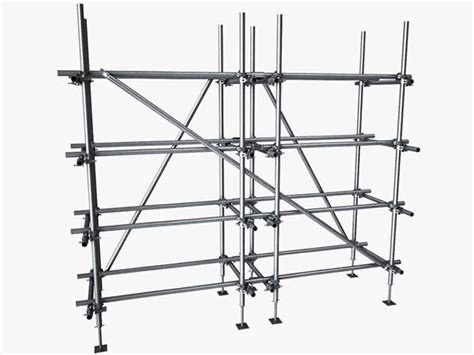
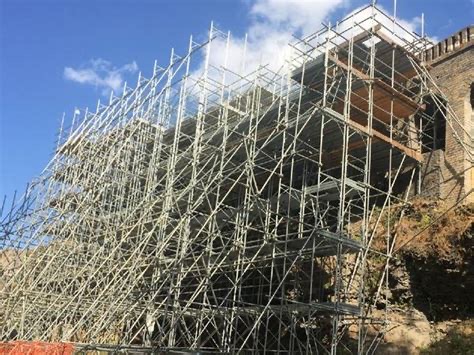
The coupler scaffolding system, also known as tube and clamp scaffolding, is a widely used method in construction and maintenance projects due to its versatility, durability, and adaptability. This system consists of steel tubes and couplers, which can be assembled into various configurations to suit different project requirements. In this article, we will explore the key benefits of using a coupler scaffolding system, its components, applications, and safety considerations.
Introduction to Coupler Scaffolding Systems
Coupler scaffolding systems are renowned for their ability to provide sturdy platforms for construction personnel and materials. The system's core components include scaffold tubes and coupler clamps, which are designed to offer superior stability and versatility. These components allow the scaffolding to be customized for complex structures, making it ideal for projects with irregular shapes or multiple levels.
Components of Coupler Scaffolding Systems
1. Scaffold Tubes: These are the primary structural elements of the scaffolding system. They are typically made from steel or aluminum and come in various lengths to accommodate different project needs. The tubes are usually 48.3 mm in diameter and have a wall thickness ranging from 3.2 to 4 mm, depending on the execution standard.
2. Coupler Clamps: These are used to connect the scaffold tubes at different angles or extend their length. Common types include:
- Right Angle Couplers: Secure tubes at 90 degrees for creating frames and supports.
- Swivel Couplers: Connect tubes at various angles, often used for diagonal bracing.
- Sleeve Couplers: Join scaffold tubes end-to-end to extend the length of scaffold runs.
- Board Retaining Couplers: Secure scaffolding boards in place to prevent movement.
- Base Plate Couplers: Provide a flat bearing surface to stabilize scaffolds at the base.
3. Jack Base: Serves as the base of the scaffolding system, helping to keep it stable by adjusting the height of the screw rod.
Benefits of Coupler Scaffolding Systems
High Versatility
Coupler scaffolding systems are highly adaptable, allowing them to be configured for various applications, including birdcage scaffolding, suspended scaffolding, and supported scaffolding. This versatility makes them suitable for complex structures and environments such as refineries, petrochemical plants, and power plants.
Robust Strength
These systems are designed to support heavy loads, making them ideal for large-scale construction projects that require significant material storage on platforms. The robust nature of the scaffold tubes and coupler clamps ensures a secure working environment.
Customizable Heights
The scaffolding can be easily extended or reduced in height, providing flexibility for different levels of construction. This feature is particularly useful in projects that involve multiple stories or varying work surfaces.
Durability
Made from steel or aluminum, coupler scaffolding systems are highly durable and suitable for long-term projects. The materials are resistant to wear and can withstand challenging weather conditions.
Wide Range of Applications
Coupler scaffolding systems can be used in construction, renovation, maintenance, and even temporary structures like ramps, sheds, and stands.
Safety Considerations
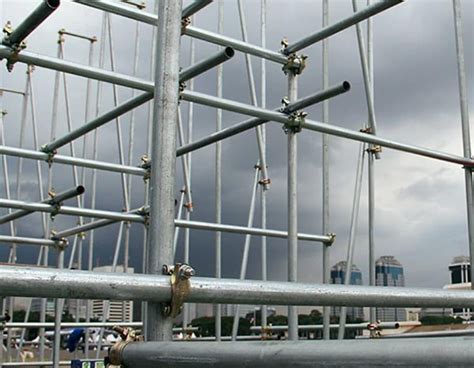
Ensuring the safety of coupler scaffolding systems is crucial. Regular inspections of couplers are necessary to identify any signs of wear, rust, or damage, which should be addressed immediately to prevent accidents. Adherence to OSHA standards is paramount in the installation and usage of scaffolding systems to guarantee the safety of the workforce and the efficiency of the construction process.
Applications of Coupler Scaffolding Systems
Coupler scaffolding systems are widely used in various industries due to their adaptability and strength. Some common applications include:
- Construction Projects: Ideal for building complex structures, especially those with irregular shapes or multiple levels.
- Industrial Maintenance: Frequently used in refineries, petrochemical plants, and power plants for maintenance and restoration works.
- Temporary Structures: Can be used to build ramps, sheds, stands, and other temporary structures.
Coupler Types and Their Applications
1. Swivel Couplers: These couplers are versatile and allow connections at any angle, making them ideal for complex scaffolding configurations.
2. Sleeve Couplers: Used to extend the length of scaffold tubes, these couplers are essential for creating longer spans.
3. Putlog Couplers: These couplers secure transoms or putlogs to ledger tubes, providing stability in scaffolding configurations.
4. Girder Couplers: Designed to connect scaffold tubes to structural beams, these couplers are vital for anchoring scaffolding to existing structures.
5. Board Retaining Couplers: Essential for securing scaffold boards, these couplers ensure a safe working platform.
6. Base Plate Couplers: These couplers provide a stable foundation by securing scaffold standards to base plates.
Coupler Scaffolding in Construction Projects
Tube and coupler scaffolding is central to the integrity of construction projects, providing a reliable framework for ensuring the safety and productivity of workers. Its ability to support heavy-duty scaffolding demands makes it ideal for multiple platform scaffolding, allowing workers to operate at various heights simultaneously, thus increasing construction efficiency[3].
Scaffolding Safety Standards
Adherence to scaffolding safety standards is critical. Each component within the coupler scaffolding system is designed to withstand vertical loads and lateral pressures, ensuring stability and safety. Guardrails and toeboards are integral protective measures that prevent falls and dropped objects, further enhancing the secure working environment[3].
Conclusion
In conclusion, the coupler scaffolding system offers numerous benefits, including versatility, robust strength, customizable heights, durability, and a wide range of applications. Its adaptability to complex structures and environments makes it a preferred choice in construction and industrial settings. However, safety considerations must always be prioritized to ensure the integrity of the scaffolding system.
FAQ
1. What are the main components of a coupler scaffolding system?
Answer: The main components include scaffold tubes and coupler clamps. Scaffold tubes provide the structural framework, while coupler clamps connect these tubes at various angles or extend their length.
2. What types of coupler clamps are commonly used in coupler scaffolding systems?
Answer: Common types include right angle couplers, swivel couplers, sleeve couplers, board retaining couplers, and base plate couplers.
3. What are the benefits of using a coupler scaffolding system?
Answer: Benefits include high versatility, robust strength, customizable heights, durability, and a wide range of applications.
4. How important is safety in coupler scaffolding systems?
Answer: Safety is paramount. Regular inspections are necessary to ensure that couplers are free from wear, rust, or damage, and adherence to safety standards like OSHA is crucial.
5. What are some common applications of coupler scaffolding systems?
Answer: Common applications include construction projects, industrial maintenance, and building temporary structures like ramps and sheds.
Citations:
[1] https://safetyeducations.com/tube-and-coupler-scaffolds/
[2] https://www.defenal.com/products/tube-coupler-scaffold.html
[3] https://scaffoldtype.com/tube-and-coupler-scaffolding/
[4] https://www.wm-scaffold.com/scaffolding-coupler.html
[5] https://www.gd-scaffold.com/productstags/scaffolding-drop-forged-coupler-benefits.html
[6] https://www.shutterstock.com/search/scaffolding-coupler
[7] https://www.linkedin.com/pulse/comprehensive-guide-types-couplers-scaffolding-abhishek-mishra
[8] https://www.shutterstock.com/search/scaffolding-coupling