Content Menu
● Understanding the Core Components of a Stair Scaffolding System
● Key Benefits of Using a Stair Scaffolding System
>> 1. Enhanced Safety
>> 2. Increased Mobility and Comfort
>> 3. Improved Tool and Material Handling
>> 4. Enhanced Productivity
>> 5. Versatility and Adaptability
● Safety Guidelines for Using Stair Scaffolding Systems
● Conclusion
● FAQ
>> 1. What is a stair scaffolding system?
>> 2. What are the main advantages of stair scaffolding compared to ladders?
>> 3. What are some key safety features of a stair scaffolding system?
>> 4. How does a stair scaffolding system improve productivity?
>> 5. What are some important safety guidelines to follow when using a stair scaffolding system?
● Citations:
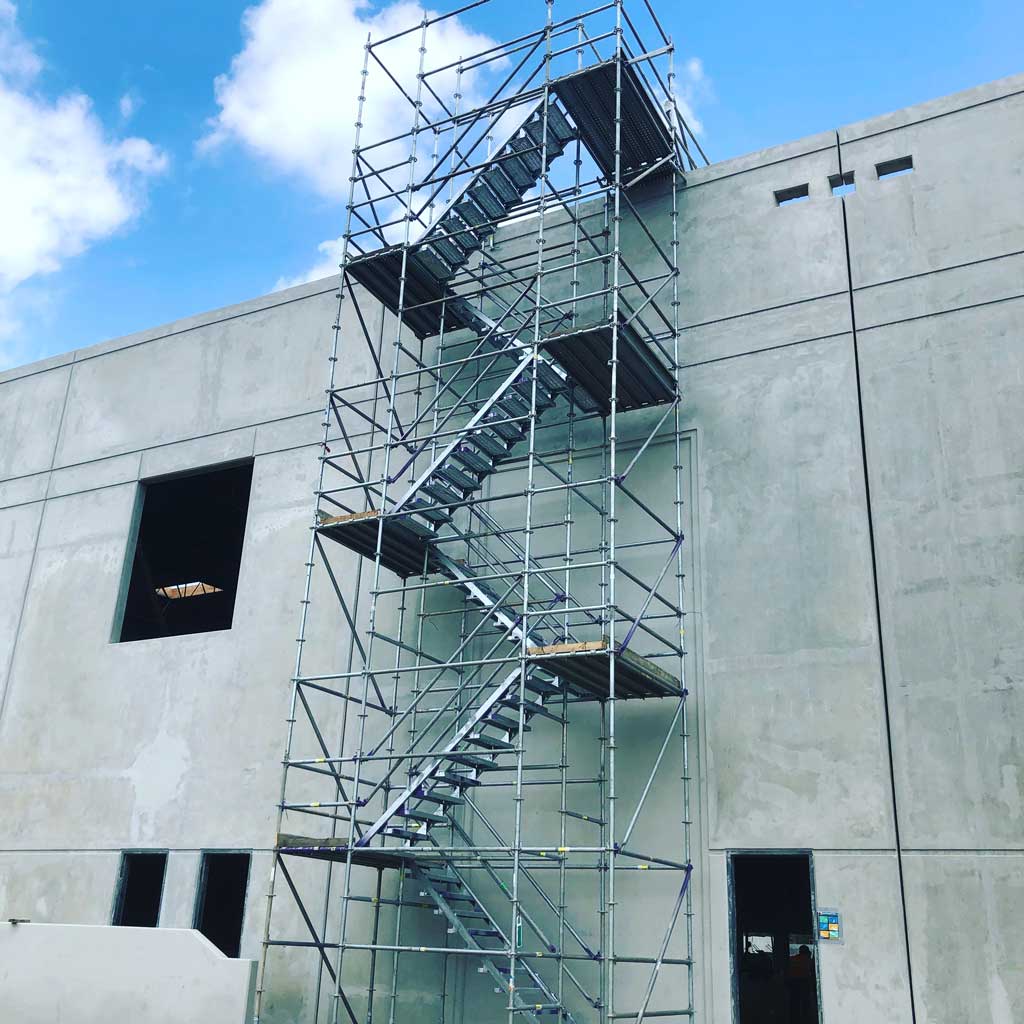
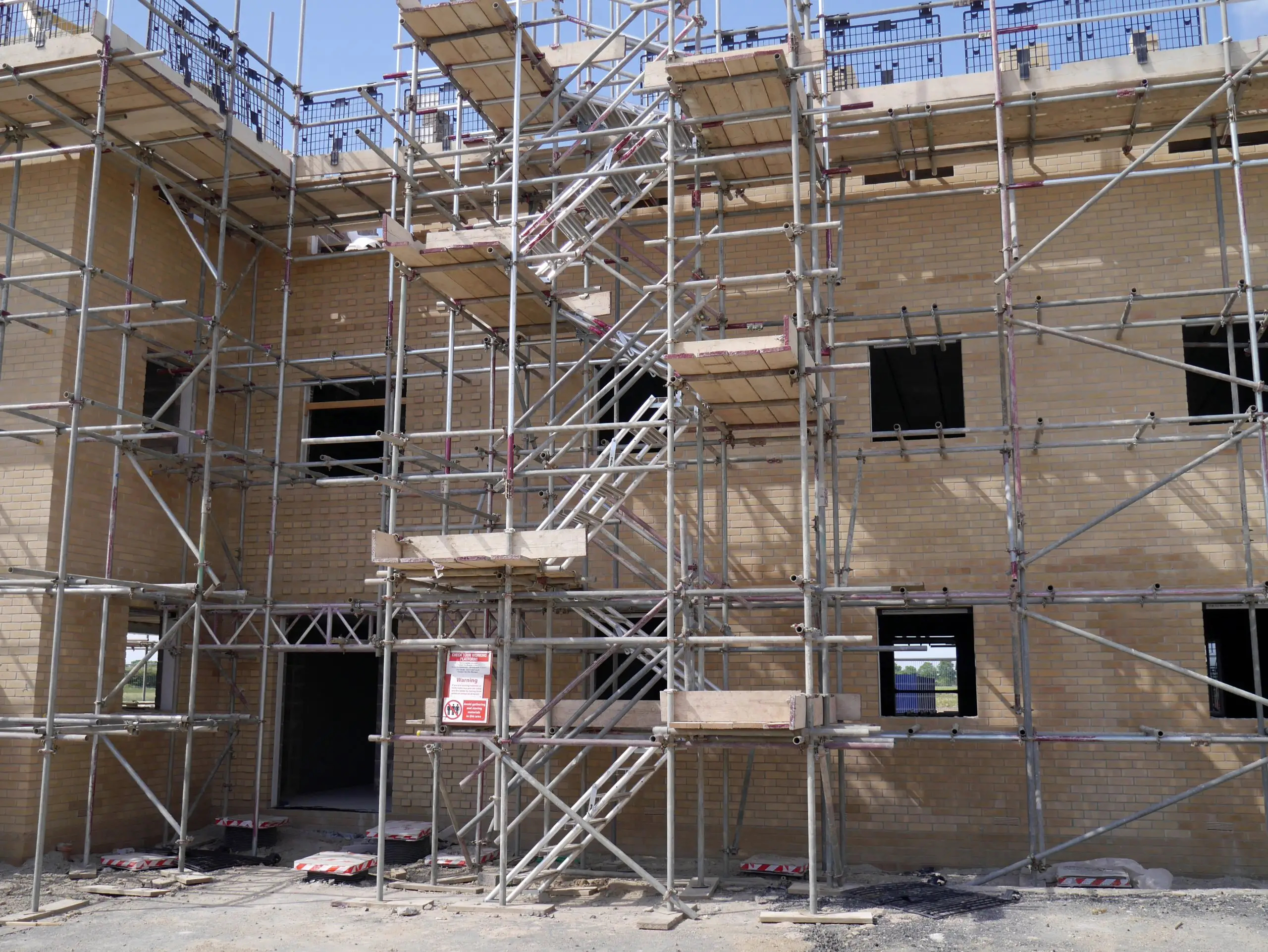
A stair scaffolding system, also known as a stair tower, is a type of scaffolding that incorporates stairs for accessing elevated work areas. Unlike traditional scaffolding that relies on ladders, a stair scaffolding system provides a safer and more efficient means of vertical access. This makes it particularly beneficial for construction, renovation, and maintenance projects where workers need to move frequently between different levels, carry tools and materials, or work for extended periods at height. This article will delve into the key benefits of using a stair scaffolding system, providing a comprehensive overview of its advantages in terms of safety, efficiency, accessibility, and overall productivity.
Understanding the Core Components of a Stair Scaffolding System
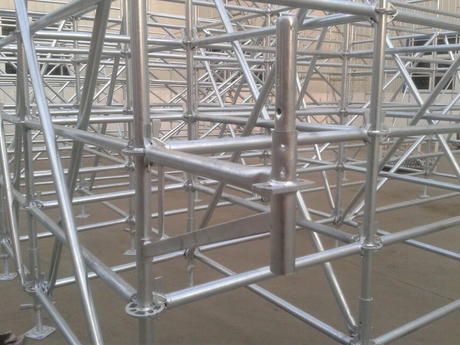
Before exploring the benefits, it's essential to understand the core components of a stair scaffolding system:
- Towers: Vertical support structures that provide the main framework for the scaffolding.
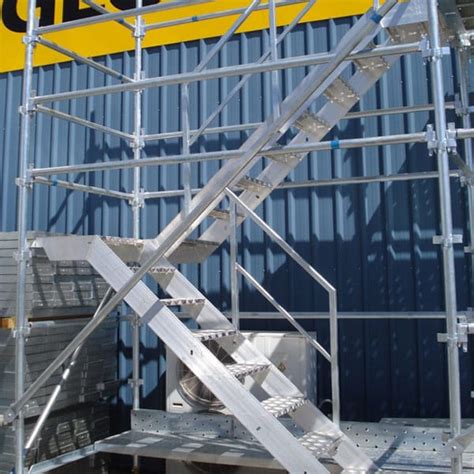
- Stair Units: Pre-fabricated stair sections that connect the towers, providing a safe and easy means of ascent and descent[1].
- Platforms: Horizontal working surfaces that provide a stable area for workers and materials.
- Guardrails: Protective railings along the stairs and platforms to prevent falls [1, 4].
- Toeboards: Vertical barriers at the edge of platforms to prevent tools and materials from falling [4, 6].
- Base Plates/Adjustable Legs: Provide a stable footing for the towers, especially on uneven ground.
Key Benefits of Using a Stair Scaffolding System
1. Enhanced Safety
Safety is the most critical advantage of a stair scaffolding system[3]. Compared to ladders, stairs offer a significantly safer means of accessing elevated work areas.
- Reduced Risk of Falls: Stair towers significantly improve safety[3]. According to the Bureau of Labor Statistics, a notable percentage of all fatal fall injuries are from falls off ladders[3]. Stairs provide fall protection with side rails extending all the way up, minimizing the risk of fatal accidents[3].
- Stable and Secure Access: Unlike ladders, which can be treacherous in windy, wet, or cold weather, stair towers offer stable access in various conditions[3].
- Handrails: The inclusion of handrails on both sides of the stairs provides a secure grip and reduces the likelihood of slips and falls [1, 8].
- Non-Slip Surfaces: Stair treads are typically designed with non-slip surfaces to provide secure footing[1].
- Reduced Manual Injuries: These are the injuries that occur when workers move up and down the stair tower carrying heavy items up to the platform to use[2]. It is critical to take steps to lessen this potential risk[2].
2. Increased Mobility and Comfort
Stair scaffolding systems provide greater mobility and comfort for workers compared to ladders[1].
- Easier Movement: With stair tower scaffolding, workers can move freely and easily between different levels of the scaffolding structure[1].
- Less Physical Strain: Stairs are less physically demanding to climb than ladders, reducing worker fatigue and improving overall comfort.
- Two-Way Traffic: Stair towers allow multiple workers to move simultaneously and in different directions, providing faster access to the scaffolding platform[3]. While ladders are like a slow one-way street, stairs function like a two-lane road, facilitating quicker and more efficient movement[3].
3. Improved Tool and Material Handling
Stair scaffolding systems facilitate safer and more efficient handling of tools and materials[3].
- Easy Transport: With stair towers, workers can carry tools and equipment safely, reducing the need to use forklifts for transporting materials[3]. This efficiency means crews can set up and start work faster, minimizing downtime and increasing productivity[3].
- Reduced Risk of Dropped Objects: Stairs are wider and more stable than ladders, reducing the risk of workers dropping tools or materials while climbing.
4. Enhanced Productivity
The combined benefits of safety, mobility, and material handling contribute to enhanced productivity on the job site[1].
- Faster Access: Stair towers allow multiple workers to move simultaneously and in different directions, providing faster access to the scaffolding platform[3].
- Reduced Downtime: The ease of access and material handling reduces downtime, allowing workers to spend more time on their tasks.
- Undisturbed Work Areas: Stair tower scaffolding ensures undisturbed work areas on each scaffold level[1]. With separate stair access points, workers can enter and exit the scaffolding without disrupting ongoing work[1]. This seamless flow maximizes productivity by minimizing interruptions and maintaining focused, uninterrupted work environments[1].
5. Versatility and Adaptability
Stair scaffolding systems can be adapted to a variety of applications and project requirements[5].
- Adjustable Height: The height of the scaffolding can be easily adjusted by adding or removing stair units and tower sections.
- Custom Configurations: Stair towers can be configured to fit different site layouts and access requirements.
Safety Guidelines for Using Stair Scaffolding Systems
To ensure the safe use of stair scaffolding systems, follow these guidelines:
- Proper Erection: Only experienced personnel should erect and dismantle the stair tower[2]. It is for this reason why safety is paramount throughout the use of the stair tower[2]. You must pay attention to the details and follow all of the assembly instructions closely so that only experienced personnel erect and dismantle the stair tower[2].
- Regular Inspections: Pre-use checks and inspections should be done before using stair tower scaffolding[2]. It is crucial[2]. The individual conducting these checks should be competent and trained according to local laws and regulations[2]. If any risks or infractions are discovered, they should be dealt with before the scaffolding is used[2].
- Guardrails and Toeboards: Ensure that guardrails and toeboards are in place on all open sides of the stairs and platforms [4, 6].
- Load Limits: Never exceed the maximum load capacity of the scaffolding.
- Weather Conditions: Do not use the stair tower scaffold when the weather is inclement (i.e., rain, snow, or heavy wind)[2].
- Training: Always ensure that your workers have the proper training to be using the scaffolding and are wearing the necessary PPE[2].
- Fall Protection: Workers are most at risk for a fall when either erecting or dismantling this type of scaffolding[2].
Conclusion
A stair scaffolding system offers numerous key benefits compared to traditional scaffolding with ladders, including enhanced safety, increased mobility, improved tool and material handling, enhanced productivity, and versatility. By providing a safer, more comfortable, and more efficient means of accessing elevated work areas, a stair scaffolding system can significantly improve the overall success of construction, renovation, and maintenance projects.
FAQ
1. What is a stair scaffolding system?
A stair scaffolding system is a type of scaffolding that incorporates stairs for accessing elevated work areas[1].
2. What are the main advantages of stair scaffolding compared to ladders?
The main advantages include enhanced safety, increased mobility, improved tool and material handling, and enhanced productivity[3].
3. What are some key safety features of a stair scaffolding system?
Key safety features include handrails, non-slip surfaces, and guardrails [1, 4].
4. How does a stair scaffolding system improve productivity?
It provides faster access, reduces downtime, and allows for undisturbed work areas [1, 3].
5. What are some important safety guidelines to follow when using a stair scaffolding system?
Follow proper erection procedures, conduct regular inspections, ensure guardrails and toeboards are in place, never exceed load limits, and avoid use in inclement weather [2, 4, 6].
Citations:
[1] https://scaffoldtype.com/staircase-tower-scaffolding/
[2] https://layherna.com/l/stair-tower-scaffolding-safety/
[3] https://scaffoldingrentalandsales.com/blog/stair-towers-vs-scaffold-ladders-southwest-scaffolding/
[4] https://scaffold.com/13-safety-features-designed-into-modern-construction-scaffolds/
[5] https://www.safetyresources.com/scaffold-stair-systems-provide-safe-access
[6] https://www.conexpoconagg.com/news/scaffolding-safety-10-essential-tips-and-precautio
[7] https://scaffoldingrentalandsales.com/blog/what-is-a-scaffolding-stair-tower-and-when-do-you-need-one/
[8] https://www.canadascaffold.com/standard-fall-protection-systems/