Content Menu
● Introduction to Pipe and Clamp Scaffolding
● Key Components
● Assembly and Erection Process
● Safety Considerations
● Customization and Versatility
>> Applications
>> Advantages Over Other Systems
>> Challenges and Limitations
● Best Practices for Maintenance
● Training and Certification
● Environmental Considerations
● Sustainable Practices
● Conclusion
● FAQ
>> 1. What are the main components of a pipe and clamp scaffolding system?
>> 2. What types of clamps are commonly used in pipe and clamp scaffolding?
>> 3. How is pipe and clamp scaffolding assembled?
>> 4. What are the advantages of using pipe and clamp scaffolding?
>> 5. What safety considerations should be taken when using pipe and clamp scaffolding?
● Citations:
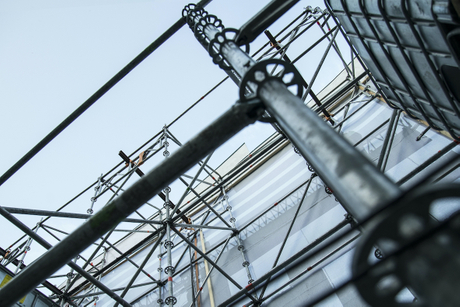
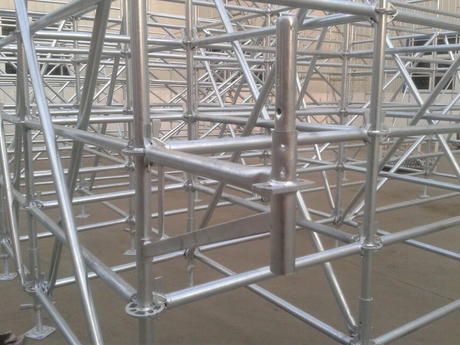
Pipe and clamp scaffolding, also known as tube and clamp scaffolding, is a traditional and versatile scaffolding system widely used in construction and maintenance projects. It consists of several key components that allow for flexible and secure assembly, making it suitable for various applications. This article will delve into the main components of a pipe and clamp scaffolding system, their functions, and how they are used in construction.
Introduction to Pipe and Clamp Scaffolding
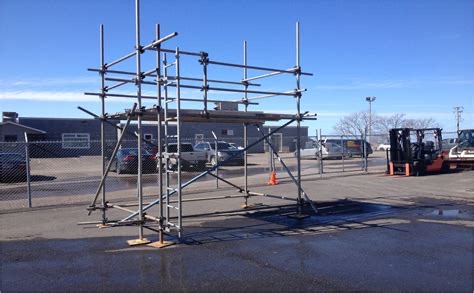
Pipe and clamp scaffolding is built using steel pipes and clamps, which are assembled to form a sturdy structure. The system is highly adaptable, allowing it to be easily customized for different job sites and irregular shapes. It is commonly used for both indoor and outdoor projects due to its ease of assembly and disassembly.
Key Components
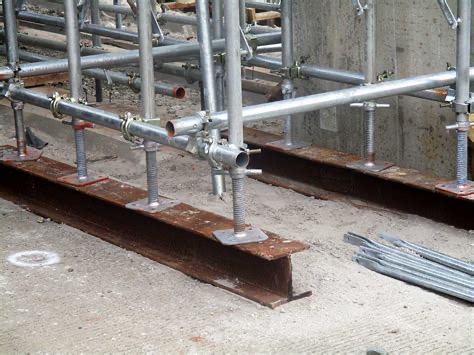
1. Scaffolding Tubes (Pipes): These are the primary structural elements of the scaffolding system. They are typically made of steel and come in various lengths and thicknesses. Commonly used pipe thicknesses include 3.2mm and 4.0mm, which provide adequate strength for most construction needs.
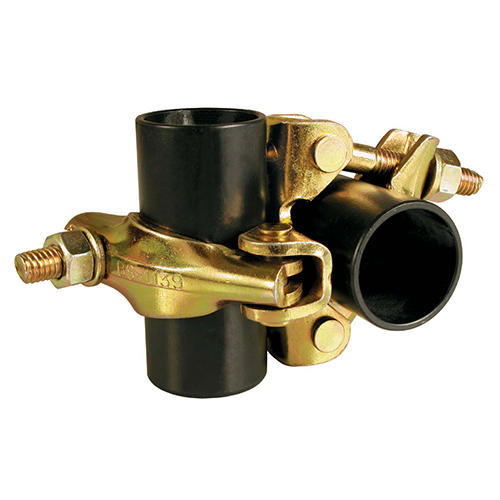
2. Scaffolding Clamps: These are used to connect the scaffolding tubes together. There are several types of clamps, including right-angle clamps, swivel clamps, and beam clamps. Right-angle clamps are used to connect tubes at 90-degree angles, while swivel clamps allow for connections at any angle.
3. Base Plates: These are essential for stabilizing the scaffolding structure. Base plates distribute the weight of the scaffolding evenly on the ground, ensuring stability and safety.
4. Ladders and Access Equipment: These are used to provide safe access to different levels of the scaffolding. They are typically integrated into the scaffolding structure to ensure secure climbing.
5. Work Planks: These are the platforms on which workers stand while performing tasks. Work planks must be securely fastened to the scaffolding structure to prevent accidents.
Assembly and Erection Process
The assembly of pipe and clamp scaffolding involves several steps:
1. Preparation: Ensure all components are available and inspected for damage.
2. Base Setup: Install base plates and erect the first level of scaffolding tubes.
3. Leveling: Use levels to ensure the structure is plumb and level.
4. Clamp Installation: Use right-angle and swivel clamps to connect tubes as needed.
5. Work Plank Installation: Secure work planks to the scaffolding structure.
6. Safety Checks: Regularly inspect the scaffolding for stability and safety.
Safety Considerations
Safety is paramount when using pipe and clamp scaffolding. Ensure that all components are properly secured, and the structure is regularly inspected for any signs of wear or damage. Workers should always use personal protective equipment (PPE) when working on scaffolding.
Customization and Versatility
One of the significant advantages of pipe and clamp scaffolding is its versatility. It can be customized to fit irregular shapes and contours, making it ideal for complex construction projects. Additionally, the system can be easily disassembled and reassembled at different locations, reducing costs and increasing efficiency.
Applications
Pipe and clamp scaffolding is used in a wide range of applications, including:
- Construction Projects: For building, renovation, and repair work.
- Maintenance Work: For accessing high areas in buildings and industrial facilities.
- Event Setup: Often used for setting up stages and temporary structures for events.
Advantages Over Other Systems
Compared to other scaffolding systems, pipe and clamp scaffolding offers several advantages:
- Cost-Effectiveness: It is often less expensive than modular scaffolding systems.
- Flexibility: Can be easily customized for unique job sites.
- Ease of Assembly: Components are straightforward to connect and disconnect.
Challenges and Limitations
While pipe and clamp scaffolding is versatile, it also presents some challenges:
- Complexity: Requires skilled labor for assembly and disassembly.
- Weight: The structure can be heavy, requiring careful planning for transportation and setup.
- Storage: Components must be stored properly to prevent damage.
Best Practices for Maintenance
To ensure the longevity of pipe and clamp scaffolding components, regular maintenance is crucial:
1. Inspection: Regularly inspect all components for signs of wear or damage.
2. Cleaning: Clean components to prevent rust and corrosion.
3. Storage: Store components in a dry, secure location.
Training and Certification
Proper training is essential for those involved in assembling and using pipe and clamp scaffolding. Many countries require workers to undergo certification programs to ensure they understand safety protocols and assembly techniques.
Environmental Considerations
Pipe and clamp scaffolding can have environmental impacts, particularly in terms of material usage and waste generation. However, the system's reusability helps reduce waste compared to disposable scaffolding materials.
Sustainable Practices
To minimize environmental impact, consider the following sustainable practices:
- Reuse Components: Maximize the reuse of scaffolding components.
- Recycle Materials: Recycle metal components when they reach the end of their life cycle.
- Efficient Transportation: Plan transportation to minimize fuel consumption.
Conclusion
Pipe and clamp scaffolding is a reliable and adaptable system that has been a cornerstone of the construction industry for decades. Its components, including scaffolding tubes, clamps, base plates, ladders, and work planks, work together to provide a safe and efficient working platform. Understanding these components and how they are used is crucial for successful scaffolding assembly and operation.
FAQ
1. What are the main components of a pipe and clamp scaffolding system?
The main components include scaffolding tubes (pipes), scaffolding clamps, base plates, ladders, and work planks.
2. What types of clamps are commonly used in pipe and clamp scaffolding?
Commonly used clamps include right-angle clamps and swivel clamps. Right-angle clamps connect tubes at 90-degree angles, while swivel clamps allow connections at any angle.
3. How is pipe and clamp scaffolding assembled?
Assembly involves setting up base plates, erecting scaffolding tubes, leveling the structure, installing clamps, and securing work planks. Regular safety checks are essential.
4. What are the advantages of using pipe and clamp scaffolding?
It offers versatility, ease of assembly and disassembly, and can be customized for irregular shapes and contours.
5. What safety considerations should be taken when using pipe and clamp scaffolding?
Ensure all components are properly secured, regularly inspect the scaffolding, and always use personal protective equipment (PPE).
Citations:
[1] https://www.wm-scaffold.com/tube-and-clamp-scaffolding/
[2] https://www.youtube.com/watch?v=iUqDWjr6uok
[3] https://patents.google.com/patent/WO2003091512A1/zh
[4] https://www.at-pac.com/tube-clamp
[5] https://www.youtube.com/watch?v=ZM6Tlh_NAnQ
[6] https://patents.google.com/patent/CN201818037U/en
[7] https://dss.net/tube-clamp/
[8] https://www.shutterstock.com/video/search/pipe-scaffolding