Content Menu
● Introduction to Ringlock Metal Scaffolding
● Key Features of Ringlock Metal Scaffolding
● Main Components of Ringlock Metal Scaffolding
● Load Capacity and Structural Stability
● Load Capacity Test Results
● Safety Considerations
● Customization and Adaptability
● Environmental Considerations
● Cost Efficiency and Logistics
● Comparison with Other Scaffolding Systems
● Case Studies: Heavy-Duty Applications
● Maintenance and Durability
● Ensuring Safety During Assembly and Disassembly
● Conclusion
● FAQ
>> 1. What are the primary components of a ringlock metal scaffolding system?
>> 2. How does ringlock metal scaffolding enhance worker safety?
>> 3. What types of projects are ringlock metal scaffolding suitable for?
>> 4. How does the modular design of ringlock scaffolding benefit construction projects?
>> 5. What materials are typically used to make ringlock metal scaffolding?
● Citations:
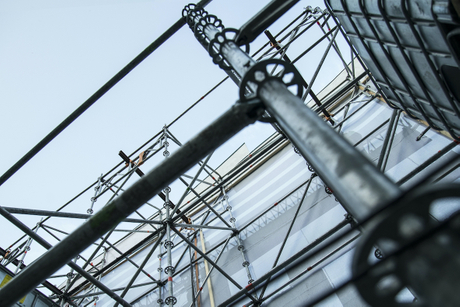
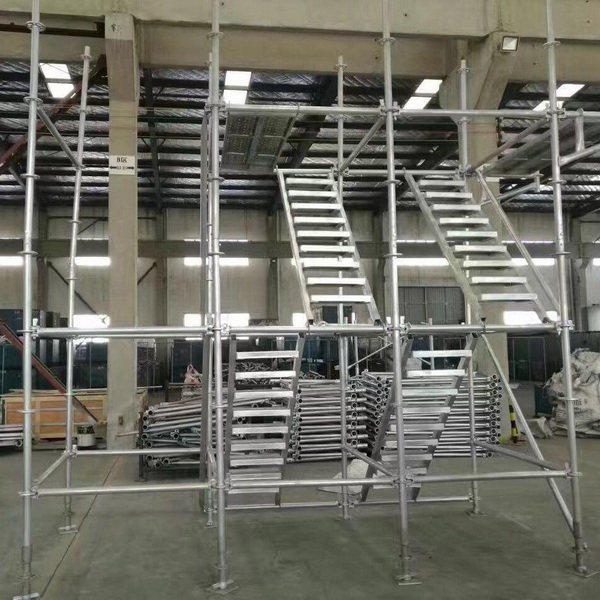
Ringlock metal scaffolding systems are widely used in construction and industrial projects due to their versatility, strength, and ease of assembly. These systems consist of several key components that work together to provide a stable and safe working platform. In this article, we will explore the main components of a ringlock metal scaffolding system and discuss their roles in ensuring the stability and safety of the structure.
Introduction to Ringlock Metal Scaffolding
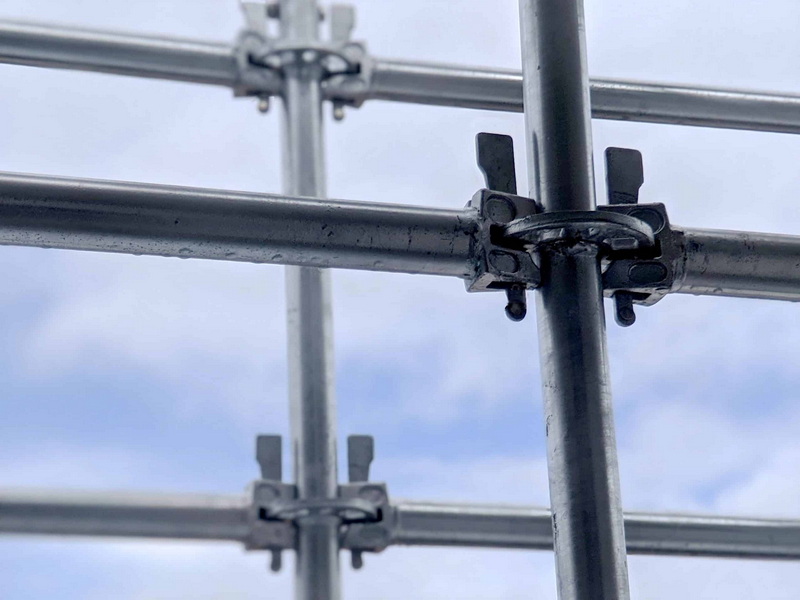
Ringlock metal scaffolding is a modular system that utilizes a rosette and wedge-head locking mechanism. This system is highly adaptable, allowing it to fit complex building geometries and support heavy loads. The components of ringlock scaffolding are designed for easy assembly and disassembly, making it suitable for a wide range of applications.
Key Features of Ringlock Metal Scaffolding
1. Modular Design: The system consists of standardized components that can be easily assembled and disassembled, making it highly adaptable to different project requirements.
2. High Load-Bearing Capacity: Made from high-strength steel, ringlock scaffolding can support heavy loads, making it suitable for large-scale construction projects.
3. Quick Assembly and Disassembly: The bolt-free assembly process saves time and labor costs, enhancing site productivity.
4. Safety Features: The system includes advanced guardrails and harness placement options, ensuring continuous fall protection for workers.
Main Components of Ringlock Metal Scaffolding
The ringlock metal scaffolding system comprises several critical components:
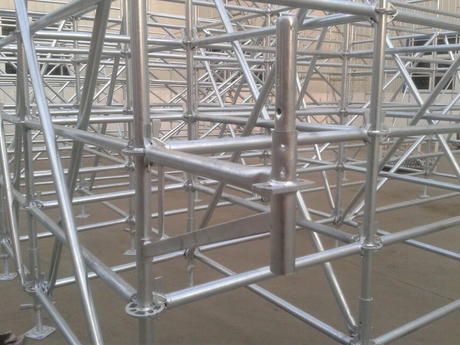
1. Vertical Standards: These are the vertical parts of the ring system, available in sizes ranging from 0.5m to 4m. They include rosette rings at 50cm intervals, which are essential for connecting other components[1].
2. Horizontal Ledgers: These are the horizontal parts made from OD48.3mm scaffold tubes. They include ledger heads and wedge pins on both sides, connecting to the ringlock standard rings[1].
3. Diagonal Braces: These provide stability to the scaffolding structure. They are featured with an OD48.3mm scaffold tube and two brace head and wedge pin sets, available in various sizes[1].
4. Base Collars: Also known as starters, these are used to secure the scaffolding to the ground. They are available in different sizes to accommodate various construction needs[1].
5. Plan Braces: These are horizontal diagonal braces installed in the horizontal plane to keep the scaffolding tower square and resist lateral forces[1].
6. Console Brackets: These are used to form work platforms. The O-type bracket is made from OD48mm scaffold tubes, while the U bracket is made of ribbed steel profiles[1].
Load Capacity and Structural Stability
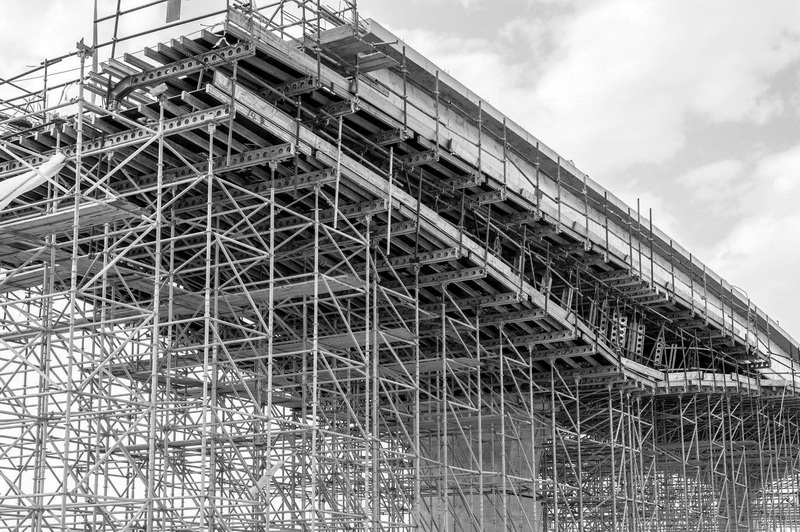
Ringlock scaffolding is designed to handle significant loads, with each connector capable of supporting substantial weights. This high load-bearing capacity, combined with its structural stability, makes it ideal for heavy-duty construction and shoring applications.
Load Capacity Test Results
Load capacity tests have shown that ringlock scaffolding can support substantial weights. For example, an OD60mm ringlock scaffold system can have a load capacity of up to 784.98 kN for a three-tier structure.
Safety Considerations
Safety is paramount when using ringlock metal scaffolding. Here are some key safety considerations:
1. Fall Protection: Integral guardrails and toe boards provide comprehensive fall protection on all working platforms and access points.
2. Stable Work Area: The modular frames lock together securely, preventing loose components that could cause accidents.
3. Compliance with Safety Standards: Ringlock scaffolding meets or exceeds safety certifications from organizations like OSHA, ensuring compliance with regulatory requirements.
Customization and Adaptability
One of the significant advantages of ringlock metal scaffolding is its ability to adapt to complex project geometries. The system allows for flexible configurations, enabling it to fit irregular structures and provide specialized access points.
Environmental Considerations
Ringlock scaffolding can be used on uneven ground or slopes, making it suitable for projects in challenging terrains. Its modular design allows for precise adjustments, ensuring stability even in adverse conditions.
Cost Efficiency and Logistics
The modular design of ringlock scaffolding not only enhances safety and stability but also offers cost benefits. The quick assembly and disassembly process reduces labor costs, while the lightweight components make storage and transportation more efficient.
Comparison with Other Scaffolding Systems
Ringlock scaffolding is often compared to other modular systems like Cuplock and Octagonlock scaffolding. Each system has its unique advantages:
- Ringlock Scaffolding: Known for its versatility and ease of assembly, it is ideal for complex structures and high-rise projects.
- Cuplock Scaffolding: Offers simplicity and strength, suitable for straightforward support and access scaffolding.
- Octagonlock Scaffolding: Provides enhanced stability and is preferred for large industrial constructions requiring maximum support.
Case Studies: Heavy-Duty Applications
Ringlock scaffolding has been successfully used in various heavy-duty projects, including oil and gas refineries and large-scale industrial maintenance works. Its adaptability and strength make it a preferred choice for such applications.
Maintenance and Durability
Ringlock scaffolding components are typically hot-dip galvanized, ensuring a long lifespan and durability. Regular maintenance involves inspecting components for damage and ensuring all connections are secure.
Ensuring Safety During Assembly and Disassembly
Ensuring safety during assembly and disassembly involves several key steps:
1. Proper Training: Ensure that all workers are trained in the assembly and disassembly process.
2. Safety Equipment: Use appropriate safety gear such as hard hats, safety gloves, and harnesses.
3. Stable Ground Conditions: Ensure the scaffolding is erected on stable ground to prevent tilting or sinking.
Conclusion
Ringlock metal scaffolding systems are highly versatile and reliable, making them suitable for a wide range of construction and industrial applications. Understanding the main components and ensuring proper assembly and maintenance are crucial for maximizing safety and efficiency.
FAQ
1. What are the primary components of a ringlock metal scaffolding system?
The primary components include vertical standards, horizontal ledgers, diagonal braces, base collars, plan braces, and console brackets. These components work together to provide a stable and safe working platform.
2. How does ringlock metal scaffolding enhance worker safety?
Ringlock metal scaffolding enhances worker safety through features like advanced guardrails and harness placement options. These ensure continuous fall protection during assembly and use.
3. What types of projects are ringlock metal scaffolding suitable for?
Ringlock metal scaffolding is suitable for a wide range of projects, including high-rise buildings, bridges, infrastructure projects, and industrial maintenance and renovation works.
4. How does the modular design of ringlock scaffolding benefit construction projects?
The modular design allows for quick assembly and disassembly, reducing labor costs and enhancing site productivity. It also enables customization to fit specific project needs.
5. What materials are typically used to make ringlock metal scaffolding?
Ringlock metal scaffolding is typically made from high-strength steel, such as S355 or Q235/Q345, with a galvanized finish to enhance durability.
Citations:
[1] https://www.wm-scaffold.com/ring-lock-scaffold.html
[2] https://www.youtube.com/watch?v=UlnH8fUpmBQ
[3] https://www.youfasteelpipe.com/pid18385456/Scaffold-ringlock-system-Scaffolding-parts-adjustable-ringlock-scaffolding.htm
[4] https://www.youtube.com/watch?v=JsZkR5P7IAQ
[5] https://www.doka.com/en/system-groups/doka-working-scaffold-systems/working-scaffolds/ringlock/ringlock
[6] https://www.youtube.com/watch?v=rCFfHf2DHBs
[7] https://www.ajbuildscaffold.com/ringlock-scaffolding-components
[8] https://www.youtube.com/watch?v=2t8lR3UOB6w