Content Menu
● What Is Limpet Coupler Scaffolding?
● Key Components of Limpet Couplers
● Main Uses of Limpet Coupler Scaffolding
>> 1. Securing Scaffold Boards
>> 2. Board Retention on Tube and Coupler Scaffolds
>> 3. Enhancing Scaffold Safety
>> 4. Facilitating Quick Assembly and Disassembly
>> 5. Adaptation to Various Board Thicknesses
>> 6. Use in Diverse Construction Environments
● Types of Limpet Coupler Scaffolding
>> Round Cap Limpet Clamps
>> Square Cap Limpet Clamps
● Technical Features and Specifications
● Installation and Usage of Limpet Coupler Scaffolding
>> Step-by-Step Installation
>> Safety Tips
● Advantages of Limpet Coupler Scaffolding
● Maintenance and Longevity
● Comparison with Other Board Retaining Couplers
● Common Applications of Limpet Coupler Scaffolding
● Extended Insights: Enhancing Safety and Efficiency with Limpet Couplers
● Environmental Considerations and Sustainability
● Conclusion
● FAQ
>> 1. What is the primary function of limpet coupler scaffolding?
>> 2. What types of limpet couplers are available?
>> 3. How do limpet couplers enhance scaffold safety?
>> 4. What maintenance is required for limpet couplers?
>> 5. Are limpet couplers compatible with all scaffold board sizes?
Limpet coupler scaffolding is a specialized type of scaffolding clamp widely used in construction to securely fasten scaffold boards to the supporting scaffold structure. Known for its ease of use, reliability, and safety features, limpet couplers play a crucial role in ensuring stable working platforms. This comprehensive article explores the main uses of limpet coupler scaffolding, its types, technical features, installation methods, and maintenance. Supported by practical examples, it provides a thorough understanding of why limpet couplers are indispensable in modern scaffolding systems.
What Is Limpet Coupler Scaffolding?
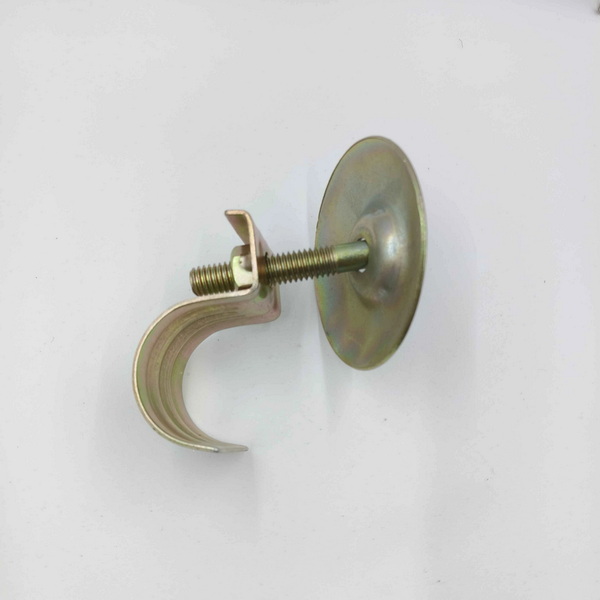
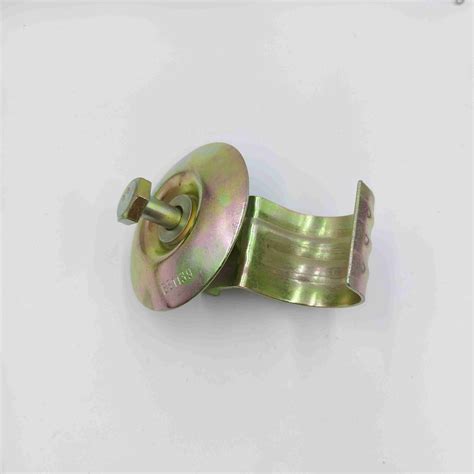
A limpet coupler is a pressed steel scaffold fitting designed to fix scaffold boards onto scaffold transoms beneath the boards. It secures boards from the top, featuring a domed cap that prevents trip hazards and has no protruding bolts on the underside, enhancing safety.
Key Components of Limpet Couplers
- Cap Cover: Can be round or square, providing the top surface that rests on the scaffold board.
- Pressed Hook: Hooks underneath the scaffold transom to hold the board in place.
- Long Bolt and Nut: Tighten the clamp securely.
- Material: Typically made from Q235 steel with finishes like hot-dip galvanizing or electro-galvanizing for corrosion resistance.
Main Uses of Limpet Coupler Scaffolding
1. Securing Scaffold Boards
The primary function of limpet couplers is to fasten scaffold boards firmly to the scaffold structure, preventing movement or displacement during use. This is critical for worker safety and platform stability.
2. Board Retention on Tube and Coupler Scaffolds
Limpet couplers are widely used in tube and coupler scaffolding systems to retain boards on transoms or ledgers. They ensure that boards remain fixed, especially on horizontal supports, providing a secure walking surface.
3. Enhancing Scaffold Safety
By securely locking boards in place, limpet couplers reduce the risk of boards slipping or shifting, which can cause accidents. The domed cap design eliminates trip hazards, making the scaffold safer for workers.
4. Facilitating Quick Assembly and Disassembly
Limpet couplers are lightweight and easy to handle, allowing fast installation and removal of scaffold boards. This efficiency is valuable in dynamic construction environments where scaffolds are frequently adjusted.
5. Adaptation to Various Board Thicknesses
Limpet clamps can accommodate scaffold boards up to approximately 58mm in thickness, making them suitable for a wide range of board types used in construction.
6. Use in Diverse Construction Environments
Limpet couplers are used across various construction sectors, including:
- Residential and Commercial Building: For scaffolding platforms during building construction and maintenance.
- Industrial Sites: Where robust and reliable board fixing is essential.
- Bridge and Infrastructure Projects: Providing secure platforms on complex scaffold setups.
- Shipbuilding and Repair: Where flexible and strong board retention is necessary.
- Power and Water Conservancy Projects: Supporting safe scaffolding in demanding environments.
Types of Limpet Coupler Scaffolding
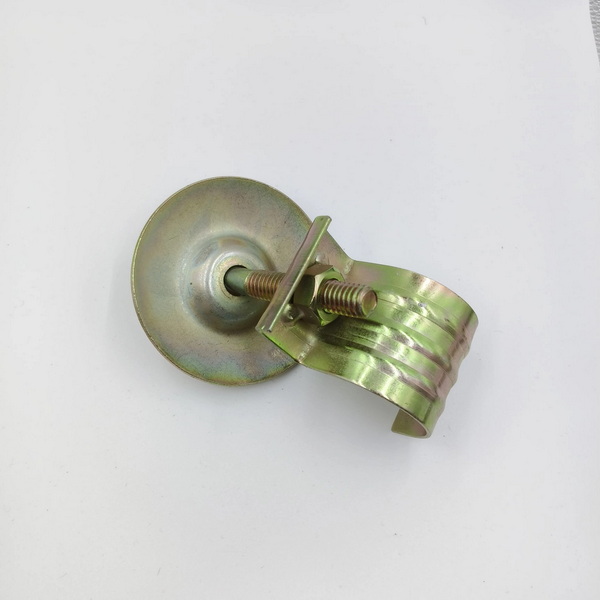
Round Cap Limpet Clamps
- Lighter in weight (approximately 0.36 kg).
- Typically less expensive.
- Suitable for standard scaffold board fixing.
- Provide the same functional strength as square cap types.
Square Cap Limpet Clamps
- Slightly heavier (around 0.43 kg).
- Often preferred for more heavy-duty applications.
- Provide a larger surface area for board contact.
Technical Features and Specifications
| Specification | Details |
| Material | Q235 Carbon Steel |
| Bolt Size | 7/16″ Nut |
| Board Height Capacity | Up to 58 mm |
| Weight | 0.35 - 0.43 kg |
| Finish | Hot Dip Galvanized, Electro Galvanized, Painted |
| Standards | EN 74, BS 1139 |
Installation and Usage of Limpet Coupler Scaffolding
Step-by-Step Installation
1. Position Scaffold Boards: Lay scaffold boards on scaffold ledgers or transoms.
2. Open Limpet Clamp: Loosen the bolt to open the clamp.
3. Hook the Clamp: Attach the pressed hook underneath the scaffold transom.
4. Align the Cap: Place the cap cover on top of the scaffold board.
5. Tighten the Bolt: Secure the clamp by tightening the bolt until the board is firmly fixed.
6. Use Multiple Clamps: Typically, several limpet clamps are used per board for stability.
Safety Tips
- Use the correct number of clamps per board length.
- Ensure clamps are tightened securely but avoid over-tightening to prevent damage.
- Regularly inspect clamps for wear or corrosion.
- Replace damaged or worn clamps immediately.
Advantages of Limpet Coupler Scaffolding
- Lightweight and Easy to Handle: Facilitates quick scaffold board fixing.
- Cost-Effective: Less expensive than some alternative board retaining couplers.
- Safety-Oriented Design: Domed caps reduce trip hazards.
- Corrosion Resistance: Various finishes extend lifespan in outdoor environments.
- Versatile: Compatible with different scaffold board sizes and types.
Maintenance and Longevity
- Limpet couplers with hot-dip galvanizing can last over 20 years with proper care.
- Electro-galvanized and painted clamps require more frequent maintenance (every 3 months).
- Regular cleaning and inspection prolong the lifespan.
- Store clamps in dry, ventilated areas to prevent rust.
Comparison with Other Board Retaining Couplers
| Feature | Limpet Coupler | BRC Coupler (Forged Board Clamp) |
| Weight | Lightweight (0.35-0.43 kg) | Heavier |
| Material | Pressed Steel (Q235) | Forged Steel |
| Cost | More economical | More expensive |
| Installation Ease | Quick and simple | Slightly more complex |
| Safety (Trip Hazard) | Domed cap reduces hazard | May have protruding bolts |
| Board Thickness Capacity | Up to 58 mm | Typically 38-50 mm |
| Durability | Good with proper maintenance | Very high |
Common Applications of Limpet Coupler Scaffolding
- Building construction scaffolding.
- Bridge and infrastructure maintenance.
- Shipbuilding and repair yards.
- Power and water conservancy projects.
- Mining and heavy industry scaffolding.
Extended Insights: Enhancing Safety and Efficiency with Limpet Couplers
Limpet couplers not only secure scaffold boards but also contribute significantly to overall scaffold safety. Their smooth, domed caps eliminate protruding bolts, reducing trip hazards and enhancing worker mobility. In addition, their ease of installation and removal accelerates scaffold assembly and disassembly, improving operational efficiency on busy construction sites.
The versatility of limpet couplers allows them to be used with various board materials, including timber, aluminum, and composite boards, making them adaptable to diverse project requirements.
Environmental Considerations and Sustainability
With the construction industry increasingly focusing on sustainability, limpet coupler scaffolding offers advantages due to its durability and reusability. High-quality galvanized coatings prolong service life, reducing the need for frequent replacements and minimizing waste. Furthermore, the steel used in limpet couplers is recyclable, supporting circular economy initiatives in construction.
Conclusion
Limpet coupler scaffolding plays a vital role in securing scaffold boards safely and efficiently in construction projects. Its lightweight, cost-effectiveness, and safety-oriented design make it a preferred choice for many scaffolders worldwide. Whether used in residential construction or large industrial projects, limpet couplers ensure that scaffold boards remain firmly in place, reducing hazards and improving worksite safety. Proper installation, regular inspection, and maintenance are key to maximizing their performance and lifespan.
FAQ
1. What is the primary function of limpet coupler scaffolding?
Limpet couplers are used to securely fix scaffold boards onto scaffold transoms, preventing movement and ensuring a safe working platform.
2. What types of limpet couplers are available?
The main types are round cap and square cap limpet couplers, differing slightly in weight and surface contact area but serving the same function.
3. How do limpet couplers enhance scaffold safety?
Their domed cap design eliminates trip hazards, and their secure fixing prevents board displacement, reducing fall risks.
4. What maintenance is required for limpet couplers?
Regular cleaning, inspection for corrosion or damage, lubrication of bolts, and proper storage extend their lifespan.
5. Are limpet couplers compatible with all scaffold board sizes?
They typically accommodate boards up to 58 mm thick and are compatible with standard tube and coupler scaffolding systems.