Content Menu
● Understanding Scaffold Lift Systems
● Types of Scaffold Lift Systems
● Key Safety Benefits of Scaffold Lift Systems
● The Pyrascaf System
● Comparing Scaffold Lift Systems with Alternatives
● Best Practices for Using Scaffold Lift Systems
● Conclusion
● FAQ
>> 1. What is a scaffold lift system?
>> 2. How does a scaffold lift enhance worker safety?
>> 3. Are scaffold lift systems compliant with safety regulations?
>> 4. Can multiple workers use a scaffold lift system at once?
>> 5. What maintenance is required for scaffold lift systems?
● Citations:
In the construction industry, ensuring the safety of workers is a top priority. Construction sites often involve working at significant heights, which inherently poses risks. Scaffold lift systems are designed to mitigate these risks, offering a safer and more efficient alternative to traditional methods like ladders. This article explores the numerous safety benefits of using a scaffold lift system on construction sites, supported by relevant research and examples.
Understanding Scaffold Lift Systems
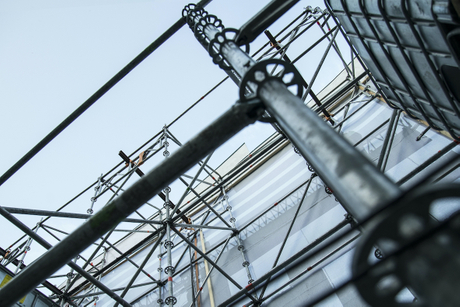
A scaffold lift system is a temporary structure used to support workers and materials during construction, maintenance, or repair work at elevated heights. These systems provide a stable and secure platform that allows workers to perform their tasks safely and efficiently. Unlike ladders or other makeshift solutions, scaffold lift systems are engineered to distribute weight evenly, reducing the risk of collapse[1][3]. They can be fixed, mobile, or suspended, depending on the specific requirements of the job[3].
Types of Scaffold Lift Systems
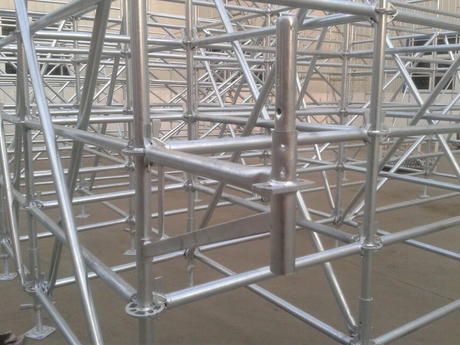
1. Supported Scaffolds: These are platforms supported by rigid, load-bearing members such as poles, legs, frames, and outriggers. Supported scaffolds are commonly used in construction due to their stability and load-bearing capacity.
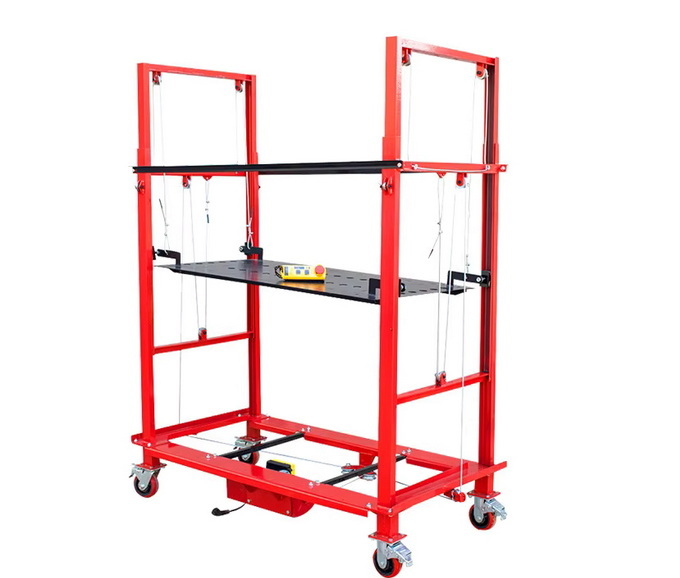
2. Suspended Scaffolds: These platforms are suspended by ropes or other non-rigid means from an overhead structure. Suspended scaffolds are often used for window cleaning, painting, and other maintenance tasks on tall buildings.
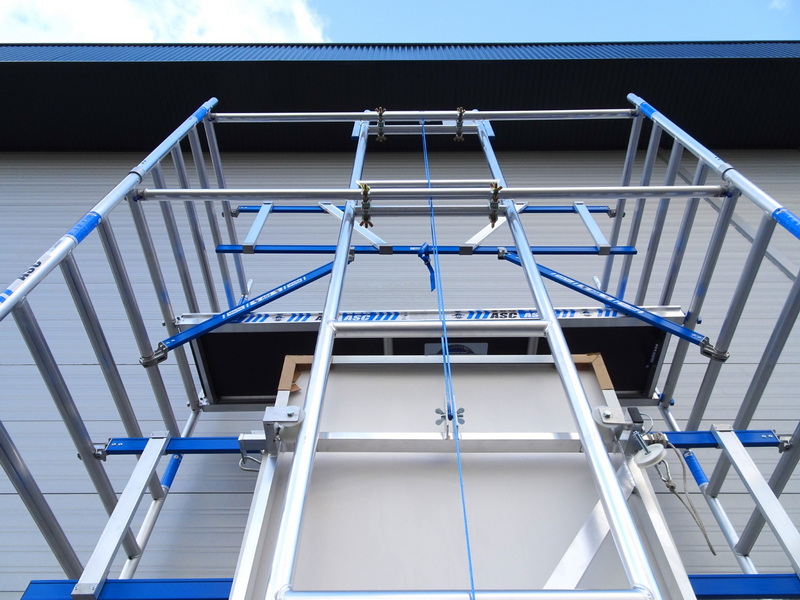
3. Mobile Scaffolds: Mounted on wheels or casters, mobile scaffolds can be easily moved from one location to another. They are suitable for tasks that require frequent changes in position.
4. System Scaffolds: These are versatile and modular systems that can be adapted to various configurations. System scaffolds are known for their ease of assembly, stability, and ability to meet diverse project needs[7].
Key Safety Benefits of Scaffold Lift Systems
1. Enhanced Stability and Support
- Scaffold lift systems provide a stable, firm, and level workspace, enabling workers to maintain safety throughout the project, even when working at great heights[3]. This stability is crucial for tasks requiring precision and focus.
- Unlike ladders or less stable alternatives, these systems distribute weight evenly, minimizing the risk of accidents[1][3].
2. Fall Protection Features
- Many scaffold lift systems come equipped with integrated fall protection features, such as harness attachment points and guardrails[1]. These are essential for preventing falls, a leading cause of construction site injuries[1].
- Advanced systems, such as the Pyrascaf, include a central harness point that allows workers to move freely while staying securely attached to the scaffold[1]. This ensures continuous fall protection, even during movement.
- OSHA mandates that businesses must have scaffold guardrails or a fall arrest system if employees work at 10 ft or higher[5].
3. Improved Accessibility
- Scaffold lift systems allow workers to access hard-to-reach areas safely. This is particularly advantageous for tall buildings or complex structures where traditional ladders are insufficient[3].
- By providing a stable platform at various heights, these systems enable multiple workers to collaborate efficiently without compromising safety[3].
4. Reduced Manual Handling Risks
- The use of scaffold lifts minimizes the need for manual lifting and carrying of heavy materials, thereby reducing the risk of musculoskeletal injuries among workers[9].
- Scaffold hoists can be integrated into these systems, allowing for the safe and efficient transport of materials up and down the scaffold[2][9].
5. Compliance with Safety Regulations
- Scaffold lift systems are designed to meet or exceed OSHA regulations and local safety standards[5][7]. This compliance not only protects workers but also helps employers avoid costly fines associated with safety violations[5].
- Regular inspections and maintenance checks ensure these systems remain safe for use throughout their operational life[7].
6. Enhanced Work Area Safety
- System scaffolding facilitates frequent examination of the work area, tools, and scaffolding structure to prevent hazards from going unnoticed[7].
- Daily compliance checks for hazards are also easier to conduct, ensuring a safer working environment[7].
7. Adaptability to Different Job Sites
- Scaffold lift systems can be easily adapted to fit the unique requirements of various job sites[3].
- Mobile scaffolds, in particular, offer the flexibility to move the working platform as needed, making them ideal for tasks that require frequent relocation[3].
- System scaffolds are versatile and modular, allowing them to be configured in various ways to suit different project needs[7].
8. Increased Productivity
- By providing a safe and efficient working environment, scaffold lift systems contribute to increased productivity[9]. Workers feel more secure and confident, enabling them to focus on their tasks without fear of accidents.
- The ability to transport materials quickly and safely with scaffold hoists further enhances productivity by reducing the time and effort required for manual handling[2][9].
9. Public Safety
- The use of scaffold lift systems also enhances public safety by minimizing the risk of falling debris and accidents that could affect passersby[5].
- Properly erected and maintained scaffolds provide a secure barrier that prevents materials and tools from falling from heights, protecting the public from potential harm[5].
The Pyrascaf System
The Pyrascaf system takes safety to the next level with its innovative design[1]. Once the scaffold is erected, the user harnesses to a centrally located system, enabling them to climb without fear of falling[1].
Key features of the Pyrascaf system include:
- Central Harness Point: Provides a tie-off point for use above and below the deck, ensuring continuous safety[1].
- Rotating Harness Point: Allows the user to move 360 degrees around the platform without moving the harness point[1]. This prevents the scaffold from toppling over in the event of a fall[1].
Comparing Scaffold Lift Systems with Alternatives
While ladders and scissor lifts are often used as alternatives to scaffold lift systems, they have limitations in terms of safety and efficiency[5]. The following table compares scaffold lift systems with these alternatives:
Feature | Scaffold Lift Systems | Ladders | Scissor Lifts |
Stability | High stability due to engineered design and even weight distribution[1][3] | Lower stability, especially at higher elevations[5] | High stability due to outriggers and solid base[5] |
Fall Protection | Integrated fall protection features such as harness attachment points and guardrails[1] | Limited fall protection; often requires additional safety measures[5] | May include guardrails and harness points, but less versatile in complex environments |
Accessibility | Excellent accessibility to hard-to-reach areas, suitable for tall buildings and complex structures[3] | Limited accessibility; can be difficult to use in certain environments[3] | Good accessibility, but may require more space and can be limited by terrain |
Manual Handling | Reduces manual handling risks by allowing for the use of scaffold hoists[2][9] | Requires manual lifting and carrying of materials, increasing risk of injury[9] | Can handle more weight than traditional scaffolding, reducing manual handling, but may still require manual loading[5] |
Safety Compliance | Designed to meet or exceed OSHA regulations and local safety standards[5][7] | Requires strict adherence to safety guidelines to prevent accidents and injuries[5][7] | Must comply with OSHA regulations; requires proper training and maintenance[5][7] |
Versatility | Highly versatile; can be adapted to various job sites and project requirements[3] | Limited versatility; suitable only for simple tasks and environments[3] | Versatile for both indoor and outdoor usage; can be used on different surfaces but requires more space for movement[5] |
Productivity | Increases productivity by providing a safe and efficient working environment[9] | Lower productivity due to safety concerns and physical limitations[9] | Fast setup and movement; can be lowered quickly during adverse weather, increasing productivity[5] |
Best Practices for Using Scaffold Lift Systems
To maximize the safety benefits of scaffold lift systems, it is essential to follow these best practices:
1. Proper Training: Ensure that all workers receive adequate training on the safe operation and maintenance of scaffold lift systems[5].
2. Regular Inspections: Conduct regular inspections to identify and address potential hazards[7].
3. Use of Personal Protective Equipment (PPE): Require all workers to use appropriate PPE, such as hard hats, safety glasses, and harnesses[1][5].
4. Adherence to Load Limits: Never exceed the maximum load limits of scaffold lift systems[5].
5. Weather Considerations: Avoid working in adverse weather conditions that could compromise safety[5].
6. Secure Mounting: Ensure secure mounting mechanisms to minimize worker risk[9].
7. Emergency Preparedness: Establish emergency procedures for responding to accidents or incidents[5].
Conclusion
Scaffold lift systems are a critical component of modern construction safety. They offer numerous benefits, including enhanced stability, fall protection, improved accessibility, reduced manual handling risks, and compliance with safety regulations[1][3][5][9]. By investing in and properly utilizing scaffold lift systems, construction companies can significantly reduce the risk of accidents and injuries, creating a safer and more productive work environment[3][9]. Embracing these systems is a proactive step towards protecting workers and ensuring the successful completion of construction projects[3][9].

FAQ
1. What is a scaffold lift system?
A scaffold lift system is a temporary structure designed to provide a stable and safe platform for workers performing tasks at elevated heights[3].
2. How does a scaffold lift enhance worker safety?
It enhances worker safety by providing stability, fall protection features, and reducing manual handling risks associated with lifting heavy materials[1][3][9].
3. Are scaffold lift systems compliant with safety regulations?
Yes, most scaffold lift systems are designed to meet OSHA regulations and local safety standards[5][7].
4. Can multiple workers use a scaffold lift system at once?
Yes, scaffold lift systems are designed to accommodate multiple workers safely while providing access to elevated areas[3].
5. What maintenance is required for scaffold lift systems?
Regular inspections for structural integrity, functionality of fall protection features, and compliance with safety standards are essential for maintaining scaffold lift systems[7].
Citations:
[1] https://www.liftandaccess.com/article/new-scaffold-system-takes-safety-next-level
[2] https://www.youtube.com/watch?v=8xPLykTc9Ok
[3] https://www.unitedscaffold.ca/scaffold-news/3-reasons-to-use-scaffolding-for-construction/
[4] https://www.shutterstock.com/search/lifting-scaffolding
[5] https://www.certifymeonline.net/blog/scaffolding-vs-scissor-lifts/
[6] https://www.istockphoto.com/videos/scaffolding-lift
[7] https://www.scaffoldingsolutions.com/articles/why-system-scaffolding-is-the-safest-scaffolding/
[8] https://www.youtube.com/watch?v=2k_nWoVbrpo
[9] https://www.kopascaffolding.co.uk/blog/scaffold-hoist-setup-in-construction-site