Content Menu
● Introduction to Tube and Clamp Scaffolding
● Components of Tube and Clamp Scaffolding
● Safety Considerations for Tube and Clamp Scaffolding
>> Proper Assembly and Anchoring
>> Quality Materials
>> Worker Training
>> Regular Inspections
>> Engineering Design
● Safety Measures and Hazard Prevention
>> Hazard Assessments
>> Guardrails, Toeboards, and Fall Protection
>> Personal Fall Arrest Systems
>> Environmental Considerations
>> Access and Egress
● Tube and Clamp Scaffolding Parts and Their Safety Standards
>> Compliance with Local Regulations
>> Documentation and Record Keeping
>> Training for Scaffold Inspectors
● Advanced Safety Technologies
>> Real-Time Monitoring Systems
>> Safety Software
>> Innovative Materials
● Case Studies: Successful Implementation of Safety Standards
>> Example 1: High-Rise Construction Project
>> Example 2: Bridge Maintenance
● Conclusion
● FAQ
>> 1. What are the main components of tube and clamp scaffolding?
>> 2. What safety standards should tube and clamp scaffolding adhere to?
>> 3. How often should scaffolding components be inspected?
>> 4. What is the importance of worker training in tube and clamp scaffolding?
>> 5. How can fall hazards be mitigated in tube and clamp scaffolding?
● Citations:
Tube and clamp scaffolding is one of the most traditional and versatile scaffolding systems used in construction and maintenance projects. It consists of steel tubes and clamps (couplers) that form a framework for temporary work platforms at various heights. Ensuring safety is paramount when using this type of scaffolding, as it directly impacts the well-being of workers and the success of projects. In this article, we will delve into the safety standards and considerations for tube and clamp scaffolding parts.
Introduction to Tube and Clamp Scaffolding
Tube and clamp scaffolding is made from high-quality steel tubing and clamps to withstand heavy use and provide optimum stability. It is easily adaptable to various building shapes and sizes, making it a preferred choice for complex architectural designs. Each component is carefully designed and tested to meet or exceed safety standards such as OSHA and ANSI codes.
Components of Tube and Clamp Scaffolding
The basic components of tube and clamp scaffolding include:
- Steel Tubes: These are available in different diameters and lengths, typically ranging from 4 to 16 feet. They are often made from galvanized steel to resist corrosion.
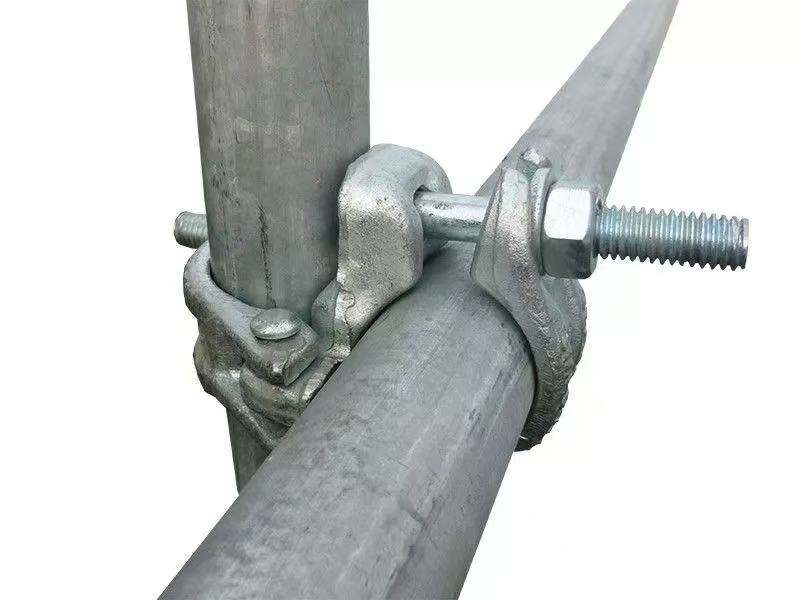
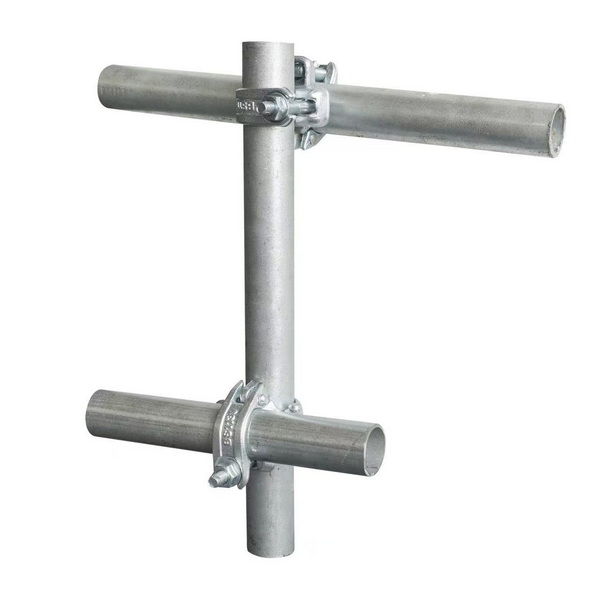
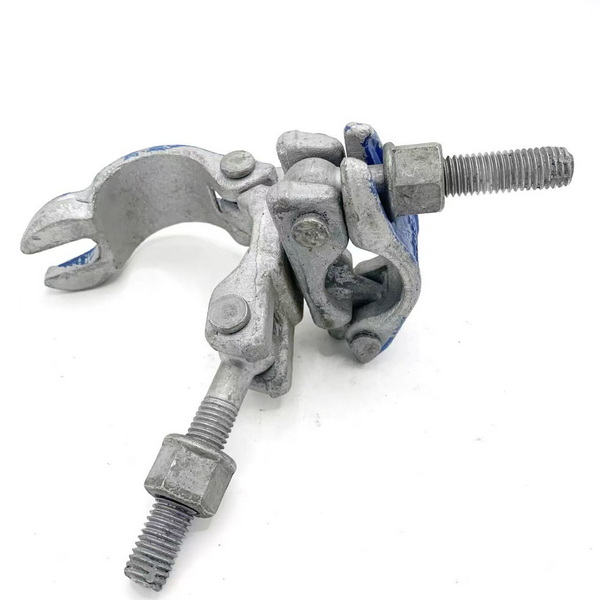
- Clamps (Couplers): There are two main types of clamps:
- Right Angle Clamps: Used to connect tubes at right angles.
- Swivel Clamps: Used to join tubes at any angle. Both types are tightened to 45 foot-pounds using a tube and clamp wrench.
- Base Plates: These provide a stable foundation for the scaffolding structure.
Safety Considerations for Tube and Clamp Scaffolding
Safety is paramount when working with tube and clamp scaffolding. Here are some key safety considerations:
Proper Assembly and Anchoring
Ensuring that the scaffolding is correctly assembled and securely anchored is crucial to prevent collapse and ensure stability. This involves following a structured assembly process and using appropriate anchoring systems to secure the scaffolding to the building or ground.
Quality Materials
Using high-quality steel construction and reliable couplers is essential to maintain the strength and stability of the structure. All scaffolding should conform to standards such as BS 1139 or EN 12811.
Worker Training
Providing comprehensive training to workers on the safe use and assembly of the scaffolding is vital to prevent accidents and ensure proper handling. Training should cover assembly procedures, safety protocols, and hazard assessments.
Regular Inspections
Conducting regular inspections of the scaffolding to check for any signs of wear, damage, or instability is necessary to maintain safety standards. Inspections should be performed by qualified personnel and should include checks on all components, including tubes, clamps, and base plates.
Engineering Design
Ensuring that the scaffolding is properly designed and engineered to support the weight of workers and materials is critical to prevent overloading and structural failure. Designs should be conceptualized by certified professionals to ensure compliance with safety standards.
Safety Measures and Hazard Prevention
Implementing robust safety measures and hazard prevention strategies is essential to reduce the risk of onsite accidents. This includes:
Hazard Assessments
Conducting comprehensive hazard assessments to identify and mitigate potential risks associated with scaffold construction and use. These assessments should cover fall prevention, structural stability, and protection from environmental factors.
Guardrails, Toeboards, and Fall Protection
The integration of guardrail systems and toeboards is a fundamental aspect of fall protection. These elements serve as critical barriers against falls and dropped objects, which are common hazards on construction sites.
Personal Fall Arrest Systems
Using personal fall arrest systems (PFAS) to catch workers in the event of a fall is indispensable in preventing serious injuries. These systems must be regularly inspected and maintained to ensure optimal performance when needed.
Environmental Considerations
Environmental factors such as wind, rain, and extreme temperatures can affect scaffolding stability. Therefore, scaffolding should be designed and secured to withstand these conditions. Regular checks should be performed during adverse weather conditions.
Access and Egress
Ensuring safe access and egress to the scaffolding platform is crucial. This includes using proper ladder access points and ensuring that all walkways are clear and secure.
Tube and Clamp Scaffolding Parts and Their Safety Standards
Tube and clamp scaffolding parts must adhere to strict safety standards to ensure the integrity of the scaffolding structure. Here are some key standards:
- Material Quality: All scaffolding components should be made from high-quality steel, free from defects, and suitable for their intended use.
- Regular Maintenance: Scaffold supervisors should conduct monthly inspections of all materials and replace any damaged components immediately.
- Compliance with Standards: Scaffolding should comply with international standards such as BS 1139 or EN 12811 to ensure safety and performance.
Compliance with Local Regulations
In addition to international standards, scaffolding must comply with local building codes and regulations. This includes obtaining necessary permits and approvals before construction begins.
Documentation and Record Keeping
Maintaining detailed records of scaffolding inspections, maintenance, and repairs is essential for tracking the condition of the scaffolding and ensuring compliance with safety regulations.
Training for Scaffold Inspectors
Scaffold inspectors should undergo specialized training to identify potential hazards and ensure that scaffolding meets safety standards. This training should cover inspection techniques, safety protocols, and regulatory compliance.
Advanced Safety Technologies
The integration of advanced safety technologies can further enhance the safety of tube and clamp scaffolding systems. This includes:
Real-Time Monitoring Systems
Using real-time monitoring systems to track scaffolding stability and environmental conditions can provide early warnings of potential hazards, allowing for prompt action to be taken.
Safety Software
Utilizing safety software to manage scaffolding inspections, maintenance schedules, and worker training can streamline safety processes and improve compliance with regulations.
Innovative Materials
Research into innovative materials and designs can lead to lighter, stronger scaffolding components that improve safety while reducing costs.
Case Studies: Successful Implementation of Safety Standards
Examining case studies where safety standards have been successfully implemented can provide valuable insights into best practices. These studies often highlight the importance of comprehensive training, regular inspections, and adherence to international standards.
Example 1: High-Rise Construction Project
In a recent high-rise construction project, the use of tube and clamp scaffolding was critical for exterior work. By implementing rigorous safety protocols, including regular inspections and worker training, the project was completed without major incidents.
Example 2: Bridge Maintenance
During a bridge maintenance project, tube and clamp scaffolding was used to access hard-to-reach areas. The successful implementation of safety measures such as guardrails and personal fall arrest systems ensured worker safety throughout the project.
Conclusion
Tube and clamp scaffolding is a versatile and widely used system in construction, but its safety depends heavily on the quality of its components and adherence to safety standards. Ensuring proper assembly, using high-quality materials, providing worker training, conducting regular inspections, and implementing robust safety measures are all crucial for maintaining a safe working environment. By following these guidelines and standards, construction sites can significantly reduce the risk of accidents and ensure the successful completion of projects.
FAQ
1. What are the main components of tube and clamp scaffolding?
Tube and clamp scaffolding consists of steel tubes, clamps (couplers), and base plates. The tubes are available in various lengths, and clamps include right angle and swivel types.
2. What safety standards should tube and clamp scaffolding adhere to?
Tube and clamp scaffolding should comply with standards such as BS 1139 or EN 12811. Additionally, it must meet OSHA and ANSI safety codes.
3. How often should scaffolding components be inspected?
Scaffolding components should be inspected monthly by a scaffold supervisor, with damaged materials replaced immediately. Quarterly audits by the HSE coordinator are also recommended.
4. What is the importance of worker training in tube and clamp scaffolding?
Worker training is vital to ensure that scaffolding is assembled correctly and safely. It helps prevent accidents by teaching workers how to handle scaffolding components properly and follow safety protocols.
5. How can fall hazards be mitigated in tube and clamp scaffolding?
Fall hazards can be mitigated by using guardrail systems, toeboards, and personal fall arrest systems. Regular inspections and maintenance of these safety measures are essential.
Citations:
[1] https://apacsafety.com/tube-and-clamp-scaffolding/
[2] https://www.youtube.com/watch?v=ZM6Tlh_NAnQ
[3] https://www.housingauthority.gov.hk/mini-site/site-safety/common/resources/handbook/EMD/safety_handbook_en.pdf
[4] https://scaffoldtype.com/tube-and-coupler-scaffolding/
[5] https://www.youtube.com/watch?v=iUqDWjr6uok
[6] https://s3-ap-southeast-2.amazonaws.com/wh1.thewebconsole.com/wh/9048/images/STUDY-GUIDE_Scaffolding-Basic-to-Advanced-V1-0_11062019.pdf
[7] https://www.ehsdb.com/scaffolding-components.php
[8] https://www.youtube.com/watch?v=PBOK-DmAZuo&lc=Ugg7dKA9ZXPU4ngCoAEC
[9] https://www.labour.gov.hk/eng/public/pdf/os/D/TOS_Guidance_notes_eng.pdf