Content Menu
● Introduction to Ringlock Scaffolding
● Key Components of Ringlock Scaffolding
● UK Regulations for Scaffolding
>> Work at Height Regulations 2005
>> National Access & Scaffolding Confederation (NASC) Guidelines
● Safety Measures for Ringlock Scaffolding
>> 1. Proper Assembly and Dismantling
>> 2. Regular Inspections
>> 3. Risk Assessments
>> 4. Personal Protective Equipment (PPE)
>> 5. Weather Conditions
● Compliance with European Standards
● Benefits of Ringlock Scaffolding in the UK
● Training and Competency Requirements
● Best Practices for Ringlock Scaffolding in the UK
>> 1. Regular Maintenance
>> 2. Proper Storage
>> 3. Documentation
>> 4. Teamwork and Communication
>> 5. Continuous Training
● Case Studies: Successful Use of Ringlock Scaffolding
● Future Developments in Ringlock Scaffolding
● Conclusion
● FAQ
>> 1. What are the primary UK regulations governing scaffolding use?
>> 2. How often should Ringlock scaffolding be inspected in the UK?
>> 3. What safety measures must be taken when assembling Ringlock scaffolding?
>> 4. Does Ringlock scaffolding comply with European standards?
>> 5. What are the benefits of using Ringlock scaffolding in the UK?
● Citations:
Ringlock scaffolding is a widely used system in the UK construction industry due to its versatility, ease of assembly, and high stability. However, to ensure safety and compliance, it is essential to adhere to specific regulations and guidelines when using Ringlock scaffolding in the UK. This article will outline the key regulations and best practices for using Ringlock scaffolding in the UK, providing insights into safety standards, legal requirements, and industry guidelines.
Introduction to Ringlock Scaffolding
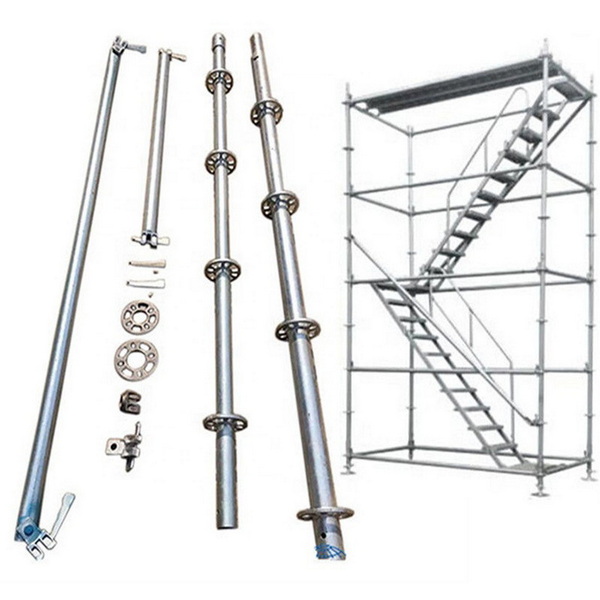
Ringlock scaffolding is known for its modular design, which allows for quick assembly and disassembly. It consists of standards, ledgers, diagonal braces, and base plates, all designed to provide a stable working platform. The system is favored for its ability to support heavy loads and adapt to different site conditions.
Key Components of Ringlock Scaffolding
- Standards: These are the vertical posts that form the main structure of the scaffold.
- Ledgers: Horizontal beams that connect the standards and provide support for the working platform.
- Diagonal Braces: These ensure the stability of the scaffold by providing additional structural support.
- Base Plates: These are used to distribute the weight of the scaffold evenly on the ground.
UK Regulations for Scaffolding
In the UK, scaffolding regulations are primarily governed by the Health and Safety at Work etc. Act 1974 and the Work at Height Regulations 2005. These regulations emphasize the importance of ensuring that scaffolding is erected, used, and dismantled safely.
Work at Height Regulations 2005
These regulations require that all work at height is properly planned, supervised, and carried out in a safe manner. Employers must ensure that scaffolding is erected by competent persons and that regular inspections are conducted to ensure safety.
National Access & Scaffolding Confederation (NASC) Guidelines
The NASC provides comprehensive guidelines for scaffolding practices in the UK. Their Code of Practice for System Scaffold includes detailed recommendations for the safe use of Ringlock scaffolding systems.
Safety Measures for Ringlock Scaffolding
Ensuring safety when using Ringlock scaffolding involves several key measures:
1. Proper Assembly and Dismantling
Ringlock scaffolding must be assembled and dismantled by competent personnel following the manufacturer's instructions and relevant safety guidelines.
2. Regular Inspections
Regular inspections are crucial to ensure that the scaffold remains safe and compliant. Inspections should be conducted before use, after alterations, and at regular intervals.
3. Risk Assessments
Conducting thorough risk assessments before erecting scaffolding helps identify potential hazards and implement necessary safety measures.
4. Personal Protective Equipment (PPE)
Ensuring that all workers wear appropriate PPE, including hard hats, safety glasses, and gloves, is essential for preventing injuries.
5. Weather Conditions
Weather conditions should be monitored to ensure they do not jeopardize safety. Scaffolding should be secured against wind and other weather-related hazards.

Compliance with European Standards
Ringlock scaffolding systems in the UK must comply with European standards such as BS EN 12810 and BS EN 12811. These standards ensure that scaffolding meets specific safety and performance criteria.
Benefits of Ringlock Scaffolding in the UK
Despite the regulatory requirements, Ringlock scaffolding offers several benefits in the UK, including ease of assembly, high stability, and reusability. These factors contribute to its popularity in construction projects.
Training and Competency Requirements
In the UK, scaffolders must undergo training and obtain relevant certifications to ensure they are competent to erect, use, and dismantle scaffolding safely. The Construction Industry Scaffolders Record Scheme (CISRS) is a widely recognized certification program for scaffolders.
Best Practices for Ringlock Scaffolding in the UK
Best practices for using Ringlock scaffolding include:
1. Regular Maintenance
Regular maintenance is crucial to ensure that scaffolding components remain in good condition.
2. Proper Storage
Scaffolding components should be stored properly to prevent damage and ensure they remain usable.
3. Documentation
Maintaining accurate records of scaffolding inspections, assembly, and dismantling is essential for compliance and safety.
4. Teamwork and Communication
Effective teamwork and communication among scaffolders and other site personnel are vital for ensuring safety and efficiency.
5. Continuous Training
Continuous training and updates on new regulations and best practices help maintain high safety standards.
Case Studies: Successful Use of Ringlock Scaffolding
Several construction projects in the UK have successfully utilized Ringlock scaffolding, highlighting its effectiveness in complex and high-rise projects. For instance, its use in major infrastructure projects has demonstrated its ability to support heavy loads while ensuring worker safety.
Future Developments in Ringlock Scaffolding
The future of Ringlock scaffolding in the UK is likely to involve advancements in technology and materials, potentially leading to even safer and more efficient scaffolding systems. Innovations such as modular designs with integrated safety features are expected to become more prevalent.
Conclusion
Using Ringlock scaffolding in the UK requires adherence to specific regulations and guidelines to ensure safety and compliance. By following these regulations and implementing best practices, construction projects can benefit from the efficiency and stability of Ringlock scaffolding while maintaining a safe working environment.
FAQ
1. What are the primary UK regulations governing scaffolding use?
The primary regulations include the Health and Safety at Work etc. Act 1974 and the Work at Height Regulations 2005. Additionally, guidelines from the National Access & Scaffolding Confederation (NASC) are crucial for safe scaffolding practices.
2. How often should Ringlock scaffolding be inspected in the UK?
Ringlock scaffolding should be inspected regularly, typically before use, after alterations, and at intervals not exceeding 30 days, depending on site requirements.
3. What safety measures must be taken when assembling Ringlock scaffolding?
Safety measures include ensuring that assembly is done by competent personnel, conducting risk assessments, and using appropriate personal protective equipment (PPE).
4. Does Ringlock scaffolding comply with European standards?
Yes, Ringlock scaffolding systems comply with European standards such as BS EN 12810 and BS EN 12811, ensuring they meet specific safety and performance criteria.
5. What are the benefits of using Ringlock scaffolding in the UK?
The benefits include ease of assembly, high stability, reusability, and adaptability to different site conditions, making it a popular choice for construction projects.
Citations:
[1] https://direct.doka.com/_ext/downloads/downloadcenter/999817902_2023_09_online.pdf
[2] https://www.hse.gov.uk/construction/safetytopics/scaffoldinginfo.htm
[3] https://cisrs.org.uk/wp-content/uploads/2018/01/at-pac-manual-guide.pdf
[4] https://www.at-pac.com/safety-commitment
[5] https://www.at-pac.com/approvals-ringlock
[6] https://aaitscaffold.com/scaffolding-hazards/what-are-scaffolding-hazards-at-construction-sites-and-how-can-those-be-prevented/
[7] https://nasc.org.uk/wp-content/uploads/2024/09/NASC-Code-of-Practice-for-Scaffolding-Products-Sep-2024.pdf
[8] https://baloshiscaffolding.co.uk/blog/exploring-ringlock-modular-scaffolding/