Content Menu
● Why Are Certifications Important for Scaffolding Tubes?
● Common Certifications Offered by China Scaffolding Tube Manufacturers
>> 1. ISO 9001: Quality Management System Certification
>> 2. CE Marking and EN Standards Compliance
>> 3. BS 1139 Certification
>> 4. ASTM Standards
>> 5. ISO 14001: Environmental Management System Certification
>> 6. OHSAS 18001 / ISO 45001: Occupational Health and Safety
>> 7. SGS, Bureau Veritas, and Intertek Inspection Reports
● How Do These Certifications Impact Buyers?
● Overview of the Manufacturing and Certification Process
>> Raw Material Inspection
>> Production and Welding
>> Galvanization and Coating
>> Testing and Quality Control
>> Certification Audit
● Leading China Scaffolding Tube Manufacturers with Certifications
● Additional Certifications and Industry Recognitions
>> CE Marking for Construction Products Regulation (CPR)
>> REACH Compliance
>> Fire Safety Certifications
● How to Verify the Authenticity of Certifications
● Why Some Manufacturers May Not Have All Certifications
● Tips for Buyers When Selecting Certified China Scaffolding Tubes
● Conclusion
● FAQ
>> 1. What certifications should I look for when buying China scaffolding tubes?
>> 2. Are Chinese scaffolding tubes certified by international third parties?
>> 3. How does CE certification benefit scaffolding tube buyers?
>> 4. Can I trust scaffolding tubes without certifications?
>> 5. How do certifications affect the price of scaffolding tubes?
China is one of the world's largest producers and exporters of scaffolding tubes, supplying a vast range of products to construction industries globally. When sourcing scaffolding tubes from China, understanding the certifications offered by China scaffolding tube manufacturers is crucial to ensure product quality, safety, and compliance with international standards. This article provides an in-depth overview of the key certifications Chinese scaffolding tube manufacturers offer, their significance, and how they impact product reliability and market acceptance.
Why Are Certifications Important for Scaffolding Tubes?
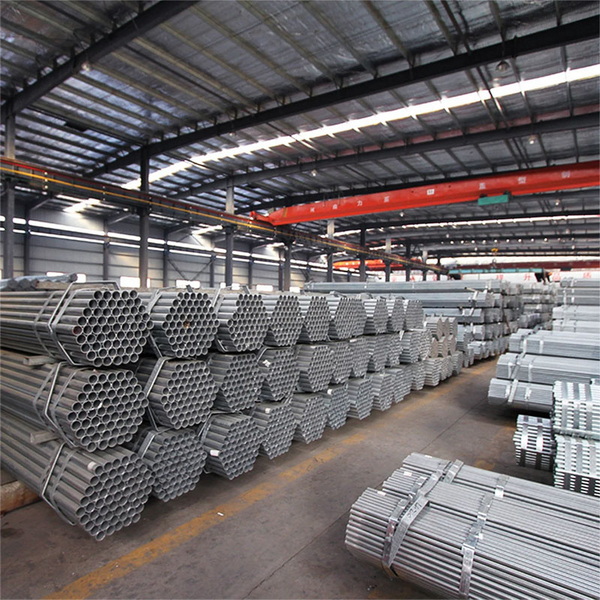
Scaffolding tubes are critical structural components in construction, supporting workers, materials, and equipment at heights. Poor quality tubes can lead to structural failure, accidents, and legal liabilities. Certifications serve as third-party validation that tubes meet rigorous safety, quality, and environmental standards. They also facilitate international trade by demonstrating compliance with buyer country regulations.
Common Certifications Offered by China Scaffolding Tube Manufacturers
1. ISO 9001: Quality Management System Certification
ISO 9001 is the most widely recognized international standard for quality management systems (QMS). It ensures manufacturers have robust processes to consistently produce products that meet customer and regulatory requirements.
- Significance: Guarantees consistent product quality, continuous improvement, and customer satisfaction.
- Scope: Covers all aspects of production, from raw material sourcing to final inspection.
- Typical Holders: Most reputable China scaffolding tube manufacturers hold ISO 9001 certification.
2. CE Marking and EN Standards Compliance
The CE mark indicates conformity with European Union health, safety, and environmental protection standards. For scaffolding tubes, compliance with EN standards such as EN 39 (steel tubes for scaffolding) and EN 1090 (execution of steel structures) is essential.
- EN 39: Specifies technical delivery conditions for steel tubes used in scaffolding, covering dimensions, mechanical properties, and tolerances.
- EN 1090: Ensures structural steel components meet performance and fabrication requirements.
- Significance: Enables scaffolding tubes to be sold and used legally within the EU market.
3. BS 1139 Certification
BS 1139 is a British Standard specifically for scaffolding tubes and fittings. It sets requirements for material properties, dimensions, and testing methods.
- Scope: Focuses on steel tubes with a nominal diameter of 48.3mm and specific wall thicknesses.
- Importance: Widely accepted in the UK and many Commonwealth countries.
- Chinese Manufacturers: Many China scaffolding tube manufacturers produce BS 1139-compliant tubes to access these markets.
4. ASTM Standards
ASTM International provides standards widely used in the United States and globally. For scaffolding tubes, ASTM A53 and ASTM A500 are common.
- ASTM A53: Covers seamless and welded black and hot-dipped galvanized steel pipes.
- ASTM A500: Specifies cold-formed welded and seamless carbon steel structural tubing.
- Relevance: Ensures tubes meet mechanical and chemical property requirements for safety and durability.
5. ISO 14001: Environmental Management System Certification
ISO 14001 certifies that a manufacturer follows an effective environmental management system (EMS), minimizing environmental impact.
- Significance: Demonstrates commitment to sustainable manufacturing practices.
- Benefits: Often required by international buyers focused on green procurement.
6. OHSAS 18001 / ISO 45001: Occupational Health and Safety
These certifications ensure manufacturers maintain high standards of workplace health and safety.
- OHSAS 18001: An older standard often replaced by ISO 45001.
- ISO 45001: The current international standard for occupational health and safety management.
- Importance: Ensures safe working conditions, reducing accidents and improving product quality.
7. SGS, Bureau Veritas, and Intertek Inspection Reports
Many Chinese scaffolding tube manufacturers collaborate with third-party inspection agencies such as SGS, Bureau Veritas, and Intertek.
- Purpose: Provide independent verification of product quality, testing chemical composition, mechanical properties, and coating thickness.
- Typical Reports: Material Test Certificates (MTC), pre-shipment inspection reports.
- Buyer Assurance: Helps importers verify compliance before shipment.
How Do These Certifications Impact Buyers?
- Market Access: Certified tubes can enter regulated markets such as the EU, UK, USA, Australia, and Middle East.
- Quality Assurance: Certifications reduce risks of substandard materials causing accidents.
- Legal Compliance: Helps meet local construction codes and occupational safety laws.
- Competitive Advantage: Certified manufacturers often offer better after-sales support and warranties.
Overview of the Manufacturing and Certification Process
Raw Material Inspection
Manufacturers source steel from certified mills and inspect chemical and mechanical properties before production.
Production and Welding
Automated welding and forming processes ensure consistent tube dimensions and strength.
Galvanization and Coating
Hot-dip galvanizing or pre-galvanizing is applied, with zinc thickness tested to meet ISO 1461 or EN 39 standards.
Testing and Quality Control
- Tensile strength and yield strength tests.
- Flattening and elongation tests.
- Zinc coating thickness measurement.
- Dimensional accuracy checks.
Certification Audit
External auditors verify compliance with ISO, CE, BS, ASTM, and environmental/health standards.
Leading China Scaffolding Tube Manufacturers with Certifications
- Wellmade Group: ISO 9001, CE, SGS certified; supplies major oil and gas companies globally.
- Beyond Metal & Scaffolding: ISO 9001, ISO 3834, ISO 14001, HSE certified; EN1090 and CE compliant.
- Youfa Construction: BS 1139, EN 39 certified; third-party inspected by SGS.
- GETO Scaffolding: CE, ISO 9001, EN12810/12811 certified; offers BIM modeling and technical support.
Additional Certifications and Industry Recognitions
CE Marking for Construction Products Regulation (CPR)
Beyond the basic CE mark, some manufacturers also comply with the Construction Products Regulation (CPR) in the EU, which governs the performance of construction products, including scaffolding components.
REACH Compliance
REACH (Registration, Evaluation, Authorization, and Restriction of Chemicals) compliance ensures that scaffolding tubes do not contain harmful substances, which is important for buyers in the European market concerned with environmental and health safety.
Fire Safety Certifications
Certain markets require scaffolding materials to meet fire resistance standards. Some China scaffolding tube manufacturers obtain certifications related to fire retardancy and safety.
How to Verify the Authenticity of Certifications
- Request Original Certificates: Always ask for original or certified copies of certificates.
- Check Certification Bodies: Verify that the issuing body is accredited and recognized internationally.
- Cross-Check Online: Many certification bodies provide online databases to verify certificate authenticity.
- Factory Audits: Conduct or commission factory audits to verify compliance with claimed certifications.
- Third-Party Inspections: Use independent inspection agencies to validate product quality and certification claims.
Why Some Manufacturers May Not Have All Certifications
- Cost Factors: Obtaining and maintaining certifications can be expensive.
- Market Focus: Some manufacturers focus on domestic or less regulated markets where certain certifications are not mandatory.
- Company Size: Smaller manufacturers may lack resources for comprehensive certification.
- Product Range: Not all products require the same certifications; some manufacturers specialize in niche products with specific certifications.
Tips for Buyers When Selecting Certified China Scaffolding Tubes
- Prioritize manufacturers with multiple internationally recognized certifications.
- Request detailed product datasheets and test reports.
- Consider the end market's regulatory requirements.
- Don't compromise on certification for price—safety and compliance are paramount.
- Engage with suppliers who provide transparent documentation and after-sales support.
Conclusion
Certifications play a pivotal role in the global trade of scaffolding tubes, especially when sourcing from China. Reputable China scaffolding tube manufacturers offer a range of certifications such as ISO 9001, CE marking with EN 39 compliance, BS 1139, ASTM standards, ISO 14001, and ISO 45001, backed by third-party inspections. These certifications ensure product quality, safety, environmental responsibility, and legal compliance, helping buyers mitigate risks and access international markets confidently. When selecting scaffolding tubes, prioritize certified products and manufacturers to guarantee safety and performance on your construction projects.
FAQ
1. What certifications should I look for when buying China scaffolding tubes?
Look for ISO 9001 for quality management, CE marking with EN 39 compliance for European markets, BS 1139 for UK markets, and ASTM standards for the US. Environmental and safety certifications like ISO 14001 and ISO 45001 are also valuable.
2. Are Chinese scaffolding tubes certified by international third parties?
Yes, many manufacturers collaborate with SGS, Bureau Veritas, and Intertek for independent testing and certification, providing Material Test Certificates and inspection reports.
3. How does CE certification benefit scaffolding tube buyers?
CE certification ensures scaffolding tubes meet EU safety, health, and environmental standards, allowing legal sale and use within the European Economic Area.
4. Can I trust scaffolding tubes without certifications?
Purchasing uncertified tubes poses risks of poor quality, safety hazards, and legal non-compliance. Certifications provide assurance and reduce these risks.
5. How do certifications affect the price of scaffolding tubes?
Certified tubes may cost more due to higher production standards and testing, but they offer better safety, durability, and market acceptance, providing better value overall.