Content Menu
● Understanding Scaffold Tower Heights
● Key Factors Influencing Scaffold Tower Height
● How to Choose the Right Scaffold Tower Height
>> 1. Match the Tower to Your Exact Height Requirements
>> 2. Evaluate Base Dimensions and Stability
>> 3. Check Duty Rating and Load Capacity
>> 4. Consider Platform Size and Mobility
>> 5. Follow Manufacturer Instructions and Safety Guidelines
● Scaffold Tower Height and Safety Regulations
>> OSHA Guidelines on Scaffold Height and Stability
>> Work at Height Regulations
● Scaffold Tower Safety Tips
● Additional Considerations for Scaffold Tower Use
>> Environmental Factors
>> Accessibility and Mobility
>> Platform Height vs Working Height
● Conclusion
● FAQ
>> 1. What is the maximum height for a scaffold tower?
>> 2. How do I know what scaffold tower height I need?
>> 3. Can scaffold towers be moved while workers are on them?
>> 4. What safety features should scaffold towers have?
>> 5. How often should scaffold towers be inspected?
When working at height, choosing the right scaffold tower height is critical for safety, efficiency, and compliance with regulations. Whether you are painting, repairing gutters, or doing construction work, understanding how to select the appropriate scaffold tower height can prevent accidents and improve productivity. This comprehensive guide will help you determine the scaffold tower height you need, covering key considerations, safety tips, and frequently asked questions.
Understanding Scaffold Tower Heights
Scaffold towers come in various sizes and configurations, designed to provide stable elevated platforms for workers. The height you need depends on the task at hand and the environment where the scaffold will be used.
Key Factors Influencing Scaffold Tower Height
- Task Height Requirements: Consider the maximum height you need to reach comfortably. For example, painting near a ceiling or repairing a roof will require different platform heights.
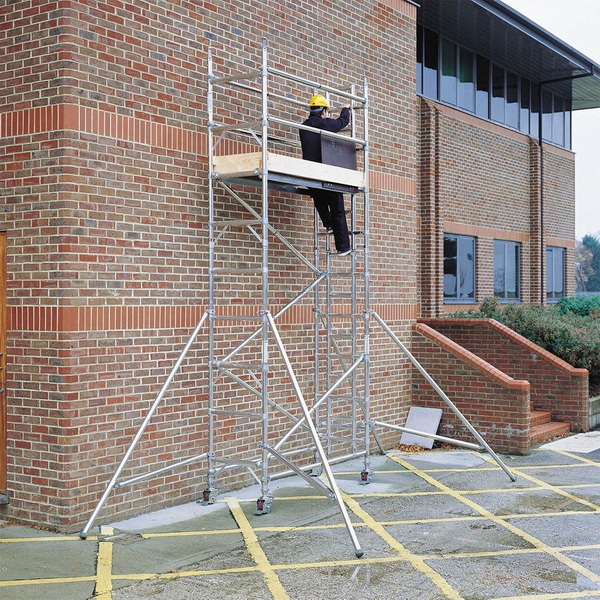
- Base Width and Stability: Taller towers require wider bases or additional support like outriggers to maintain stability. A common safety guideline is a 4:1 height-to-base width ratio, meaning the base width should be at least one-quarter of the tower height to prevent tipping over.
- Use of Outriggers and Tie-ins: Adding outriggers or tying the scaffold to a building can increase the maximum safe height by improving stability.
- Load Capacity: The scaffold must support the weight of workers, tools, and materials. Duty ratings (light, medium, heavy) indicate the maximum load a tower can safely carry.
- Adjustability: Many scaffold towers offer adjustable platform heights in increments, allowing you to fine-tune the working height as your project progresses.
How to Choose the Right Scaffold Tower Height
1. Match the Tower to Your Exact Height Requirements
Identify the highest point you need to access and add at least 5 feet to that measurement. This extra height allows you to move the platform upward safely as you work without risking unsafe improvisations. For example, if you need to paint a ceiling that is 12 feet high, choose a scaffold tower with a platform height of at least 17 feet.
2. Evaluate Base Dimensions and Stability
Choose a scaffold with a base wide enough to support the height you plan to reach. For example, a 4-foot wide base can support a scaffold up to 16 feet high if outriggers are used, while a 7-foot wide base can support heights up to 28 feet. Keep in mind that the wider the base, the more stable the scaffold will be, especially in outdoor or uneven terrain conditions.
3. Check Duty Rating and Load Capacity
Ensure the scaffold tower can safely hold the combined weight of all workers, tools, and materials. Duty ratings are typically categorized as:
- Light Duty: Suitable for one person and light tools (up to 225 pounds).
- Medium Duty: Suitable for two persons and medium loads (up to 350 pounds).
- Heavy Duty: Suitable for multiple workers and heavy equipment (up to 500 pounds or more).
Always verify the manufacturer's specifications and never exceed the recommended load capacity.
4. Consider Platform Size and Mobility
Select a platform size that provides enough space for your work without overcrowding. Larger platforms allow for easier movement and storage of tools but may increase the scaffold's footprint. If your work requires moving the scaffold frequently, consider models with lockable wheels or casters. Ensure these wheels have reliable brakes to prevent accidental movement while working.
5. Follow Manufacturer Instructions and Safety Guidelines
Always assemble and use the scaffold according to the manufacturer's instructions. Use safety features like guardrails, toe boards, and harness attachment points to prevent falls. Never modify or remove safety components, and always ensure the scaffold is level before use.
Scaffold Tower Height and Safety Regulations
OSHA Guidelines on Scaffold Height and Stability
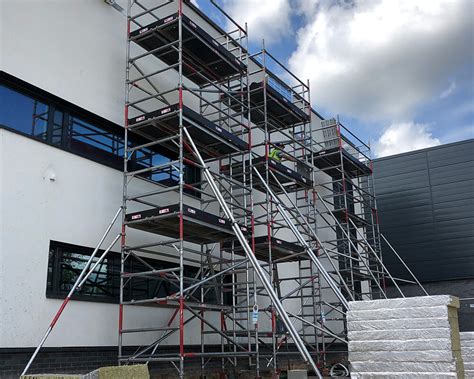
According to OSHA, mobile scaffold towers must be restrained (guyed, tied, or braced) to prevent tipping when they exceed certain heights relative to their base width. For example, a scaffold with a 4-foot wide base must be restrained if it exceeds 8.668 feet in height without outriggers, but with outriggers extending the base width to 6.167 feet, it can safely reach up to 16 feet before restraint is required.
OSHA also mandates that scaffold platforms must have guardrails if they are more than 10 feet above the ground. Additionally, workers on scaffolds higher than 10 feet must use fall protection systems unless the scaffold is fully guarded.
Work at Height Regulations
The UK's Work at Height Regulations 2005 emphasize:
- Avoid working at height where possible.
- Conduct thorough risk assessments before using scaffolds.
- Ensure only trained and competent personnel erect, inspect, and use scaffolds.
- Scaffold towers must be erected on firm, level ground with proper support.
- Regular inspections are mandatory, especially for scaffolds over 2 meters high.
- Use guardrails and fall protection at all times.
These regulations are designed to reduce the risk of falls, which are among the most common causes of workplace injuries and fatalities.
Scaffold Tower Safety Tips
Here are some essential safety tips to keep in mind when working with scaffold towers:
- Always conduct a risk assessment before use.
- Ensure the scaffold is erected on firm, level ground.
- Use outriggers or tie-ins for taller scaffolds.
- Do not overload the platform beyond its duty rating.
- Use guardrails and toe boards to prevent falls and dropped objects.
- Inspect scaffolds regularly, especially before use.
- Only trained and competent workers should erect or dismantle scaffolds.
- Wear appropriate personal protective equipment (PPE), including hard hats and non-slip footwear.
- Avoid working on scaffolds during adverse weather conditions such as high winds or rain.
- Keep the scaffold free of debris and tools to prevent tripping hazards.
Additional Considerations for Scaffold Tower Use
Environmental Factors
When selecting a scaffold tower height, consider environmental conditions such as wind, rain, and ground surface. Wind can exert significant force on tall scaffold towers, increasing the risk of tipping. If working outdoors, always secure the scaffold with tie-ins or ballast weights and avoid using very tall towers in high wind conditions.
Uneven or soft ground can compromise scaffold stability. Use base plates, mud sills, or adjustable legs to level the scaffold and distribute weight evenly.
Accessibility and Mobility
If your work requires frequent repositioning of the scaffold, consider mobile scaffold towers with lockable wheels. These are ideal for indoor jobs like painting or electrical work. For outdoor or rough terrain, fixed scaffold towers with outriggers and stabilizers are safer.
Platform Height vs Working Height
Remember that scaffold tower height refers to the total height of the scaffold structure, while working height is the height at which you actually perform your work. Typically, working height is about 2 meters (6.5 feet) higher than the platform height, accounting for the worker's reach.
Conclusion
Choosing the right scaffold tower height is crucial for safety and efficiency. Always start by determining the maximum height you need to reach, then select a scaffold with a base wide enough to support that height safely. Use outriggers and tie-ins as necessary, and never exceed the load capacity. Follow all manufacturer instructions and safety regulations to minimize risks. With careful planning and proper equipment, scaffold towers provide a secure platform to work at height confidently.
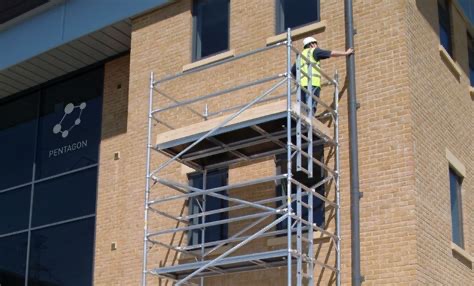
FAQ
1. What is the maximum height for a scaffold tower?
The maximum height depends on the base width and whether outriggers or tie-ins are used. Generally, a 4:1 height-to-base width ratio applies. For example, a scaffold with a 4-foot base can reach up to 16 feet safely with outriggers.
2. How do I know what scaffold tower height I need?
Measure the highest point you need to work on and add at least 5 feet to that height to allow for safe platform movement.
3. Can scaffold towers be moved while workers are on them?
Mobile scaffold towers can be moved with workers on them only if they are designed for such use and meet OSHA's stability requirements. Otherwise, workers should dismount before moving.
4. What safety features should scaffold towers have?
Essential features include guardrails, toe boards, non-slip decking, stabilizers, brake locks on wheels, and harness attachment points for fall protection.
5. How often should scaffold towers be inspected?
Scaffold towers should be inspected before use, after any alterations, and at least every 7 days during continuous use, especially if the work involves a fall risk over 2 meters.