Content Menu
● Introduction to Scaffolding and Couplers
● What Is a 1 Pipe Coupler for Scaffolding?
● Types of Scaffolding Couplers
● Materials and Standards
● Installation Process of 1 Pipe Coupler Scaffolding
>> Step-by-Step Guide
● Safety Considerations
● Advanced Engineering Details of 1 Pipe Coupler Scaffolding
● Case Studies: Real-World Applications of 1 Pipe Coupler Scaffolding
>> Case Study 1: High-Rise Building Construction
>> Case Study 2: Bridge Maintenance
● Regulatory Discussions and Compliance
● Future Trends in 1 Pipe Coupler Scaffolding
● Conclusion
● FAQ
>> 1. What is the main function of a 1 pipe coupler in scaffolding?
>> 2. What types of 1 pipe coupler scaffolding are most commonly used?
>> 3. How do you install a 1 pipe coupler scaffolding?
>> 4. What materials are 1 pipe coupler scaffolding made from?
>> 5. What safety measures should be followed when using 1 pipe coupler scaffolding?
Scaffolding is the backbone of safe, efficient construction and maintenance work at height. Among its many components, the 1 pipe coupler scaffolding stands as a critical connector-small in size, but essential in function. This article explores in depth what a 1 pipe coupler for scaffolding is, its types, uses, installation, and why it is indispensable for modern construction projects.
Introduction to Scaffolding and Couplers
Scaffolding provides temporary platforms for workers to perform construction, maintenance, or repair at elevated heights. The strength and adaptability of a scaffold depend largely on how its tubes are connected-this is where scaffolding couplers come in.
“Scaffolding couplers are the unsung heroes of the construction world. They may seem small and insignificant, but without them, we wouldn't be able to build the incredible structures that shape our cities and communities.”
What Is a 1 Pipe Coupler for Scaffolding?
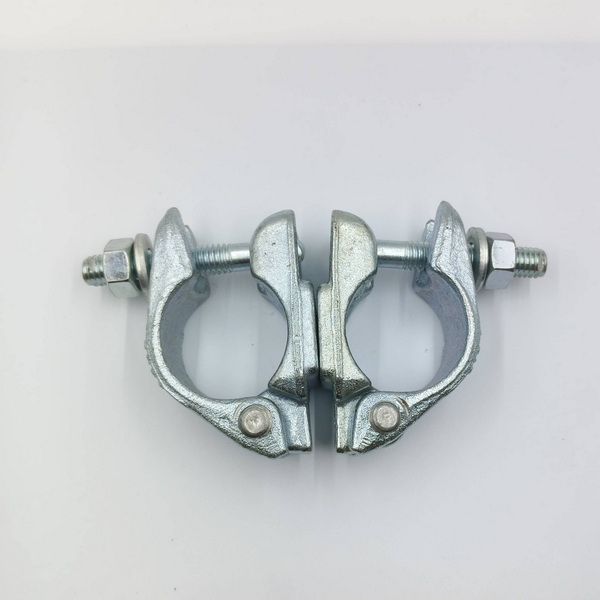
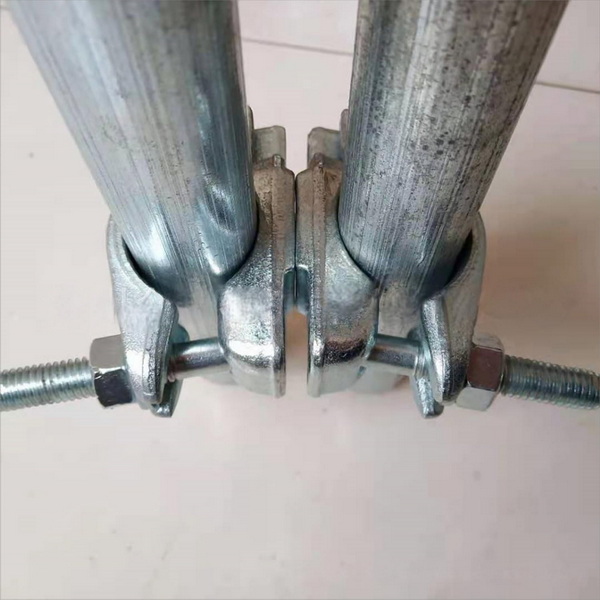
A 1 pipe coupler scaffolding is a metal fitting designed specifically to connect two scaffolding tubes (usually 1 inch in diameter or matching the standard tube size) together, either end-to-end or at an angle, forming the structural skeleton of a scaffold.
Key features:
- Made from high-strength steel or aluminum
- Designed for a tight, secure fit
- Withstands heavy loads and harsh conditions
- Ensures structural integrity and worker safety
Types of Scaffolding Couplers
1 pipe coupler scaffolding is used throughout construction and maintenance for:
- Connecting Scaffold Tubes: Securely joining horizontal, vertical, and diagonal tubes to create a stable framework.
- Extending Tubes: Using sleeve couplers to connect tubes end-to-end for longer spans without compromising strength.
- Forming Angles: Swivel and right-angle couplers allow for the creation of complex shapes, essential for irregular building facades or obstacles.
- Securing Platforms: Board retaining and putlog couplers keep work platforms and boards in place, providing safe footing for workers.
- Attaching to Structures: Girder couplers connect scaffolding to beams or building structures for added stability.
- Adapting to Complex Geometries: The flexibility of tube and coupler systems makes them ideal for projects with unusual shapes or demanding engineering requirements.
Materials and Standards
1 pipe coupler scaffolding is typically manufactured from:
- High-quality steel: For strength and durability, often galvanized for corrosion resistance.
- Aluminum: Where lighter weight is needed.
Common Standards:
- EN74 / BS1139 (Europe/UK)
- JGJ 130 (China)
- OSHA (USA)
| Standard | Tube Diameter | Wall Thickness | Weight (per meter) | Zinc Content |
| EN 39 | 48.3 mm | 3.2 mm | 3.56 kg | ≥40 microns |
| JGJ 130 | 48.3 mm | 3.6 mm | 3.97 kg | ≥40 microns |
| EN 74 | 48.3 mm | 4.0 mm | 4.37 kg | ≥40 microns |
Installation Process of 1 Pipe Coupler Scaffolding
Step-by-Step Guide
1. Preparation: Ensure all tubes and couplers are free from damage and meet the necessary standards.
2. Position Tubes: Place the scaffold tubes in the desired layout-vertical, horizontal, or diagonal.
3. Attach Couplers:
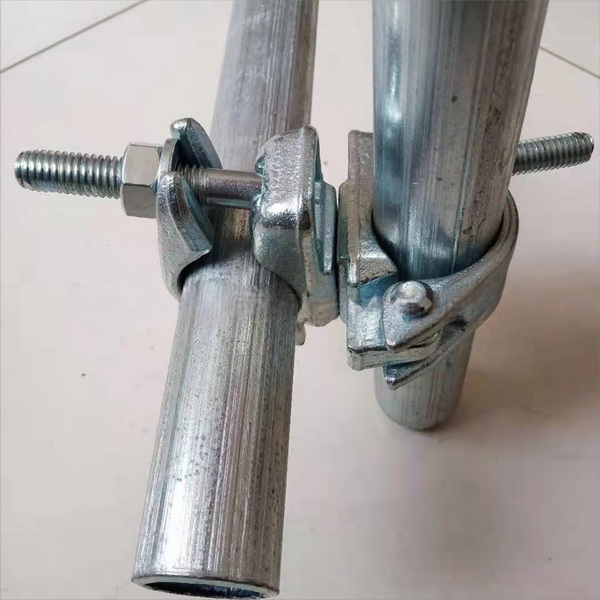
- For right-angle connections, use double couplers.
- For angled connections, use swivel couplers.
- For tube extensions, use sleeve couplers.
4. Tighten Bolts: Secure the coupler bolts to ensure a tight, immovable fit.
5. Check Alignment: Ensure the scaffold is plumb and level at every stage.
6. Secure to Structure: Use girder or anchor couplers as needed.
7. Inspect: Conduct a thorough safety check before use.
Safety Considerations
- Load Capacity: Always adhere to the load limits specified for each coupler type and configuration.
- Regular Inspection: Check for wear, corrosion, or damage before each use.
- Proper Tightening: Ensure all bolts are tightened to manufacturer specifications.
- Hazard Assessment: Conduct site-specific risk assessments before erecting scaffolding.
- Training: Only trained personnel should assemble or modify scaffolding structures.
Advanced Engineering Details of 1 Pipe Coupler Scaffolding
The engineering behind 1 pipe coupler scaffolding is a blend of material science, mechanical design, and safety engineering. The couplers must withstand dynamic loads, including the weight of workers, equipment, and materials, as well as environmental forces like wind and seismic activity. The design process involves finite element analysis (FEA) to simulate stress distribution and deformation under various load conditions.
Material selection is critical. High-strength steel is preferred for its tensile strength and durability, while galvanization protects against corrosion, extending the lifespan of the couplers. Aluminum couplers, though lighter, are used in applications where weight reduction is essential, such as in temporary or mobile scaffolding.
The precision manufacturing of couplers ensures a snug fit with the scaffold tubes, minimizing movement and enhancing stability. Threaded bolts and nuts are designed to provide maximum clamping force without damaging the tubes.
Case Studies: Real-World Applications of 1 Pipe Coupler Scaffolding
Case Study 1: High-Rise Building Construction
In the construction of a 50-story office tower, 1 pipe coupler scaffolding was used extensively to create a flexible and robust scaffolding system. The ability to connect tubes at various angles allowed the scaffold to adapt to the building's unique architectural features, including curved facades and cantilevered sections.
The use of swivel couplers enabled the scaffold to maintain stability despite the irregular shapes, while sleeve couplers extended the length of tubes to cover large vertical spans. Regular safety inspections and adherence to load limits ensured worker safety throughout the project.
Case Study 2: Bridge Maintenance
During the maintenance of a large suspension bridge, 1 pipe coupler scaffolding provided a temporary platform for workers to access hard-to-reach areas. The girder couplers were used to attach the scaffold securely to the bridge's steel beams, ensuring stability against vibrations and wind loads.
The modular nature of the coupler system allowed for quick assembly and disassembly, minimizing downtime and disruption to traffic.
Regulatory Discussions and Compliance
Compliance with international and local standards is mandatory for scaffolding components. The 1 pipe coupler scaffolding must meet or exceed standards such as EN74, BS1139, JGJ 130, and OSHA regulations.
These standards specify requirements for material quality, load capacity, corrosion resistance, and testing procedures. Manufacturers must conduct rigorous quality control, including tensile tests, impact tests, and fatigue tests, to certify their products.
Site managers are responsible for ensuring that all scaffolding components used on-site comply with these standards. Non-compliance can lead to severe penalties, project delays, and most importantly, safety hazards.
Future Trends in 1 Pipe Coupler Scaffolding
Innovation in scaffolding technology continues to evolve. Smart couplers equipped with sensors to monitor load and stress in real-time are being developed. These smart systems can alert workers and supervisors to potential structural issues before they become critical.
Additionally, advances in materials science may lead to the use of composite materials that offer higher strength-to-weight ratios and improved corrosion resistance.
Automation in scaffolding assembly, using robotic systems guided by precise coupler designs, is another area of active research, promising to enhance safety and efficiency.
Conclusion
The 1 pipe coupler scaffolding is more than just a connector; it is a cornerstone of modern construction safety and efficiency. Its engineering sophistication, adaptability to complex structures, and compliance with stringent standards make it indispensable.
As construction demands grow and technology advances, the role of the 1 pipe coupler will continue to expand, integrating smart features and new materials to meet the challenges of tomorrow's building projects.
FAQ
1. What is the main function of a 1 pipe coupler in scaffolding?
A 1 pipe coupler scaffolding is primarily used to securely connect two scaffolding tubes-either at right angles, end-to-end, or at custom angles-ensuring the scaffold's structural integrity and safety.
2. What types of 1 pipe coupler scaffolding are most commonly used?
The most common types include right-angle (double) couplers, swivel couplers, and sleeve couplers. Each serves a specific function, from forming rigid joints to allowing flexible connections or extending tube lengths.
3. How do you install a 1 pipe coupler scaffolding?
Installation involves positioning the tubes, attaching the correct coupler type, tightening bolts for a secure fit, and inspecting the structure for alignment and safety. Only trained personnel should perform installation.
4. What materials are 1 pipe coupler scaffolding made from?
Most are made from high-strength galvanized steel for durability and corrosion resistance, though aluminum versions are also available for lighter applications.
5. What safety measures should be followed when using 1 pipe coupler scaffolding?
Key measures include adhering to load limits, regular inspection for damage, proper tightening of bolts, using only certified components, and ensuring all assembly is performed by trained workers.