Content Menu
● What Is a Scaffolding Shed Frame?
● Components of a Scaffolding Shed Frame
● How Is a Scaffolding Shed Frame Used?
>> 1. Pedestrian Protection
>> 2. Material and Equipment Storage
>> 3. Weather Protection for Workers
>> 4. Site Access and Security
● Step-by-Step Guide to Assembling a Scaffolding Shed Frame
>> Step 1: Site Preparation and Planning
>> Step 2: Lay the Base
>> Step 3: Erect Vertical Frames
>> Step 4: Install Horizontal Ledgers and Transoms
>> Step 5: Attach Cross Bracing
>> Step 6: Lay Decking
>> Step 7: Add Guardrails and Toeboards (If Applicable)
>> Step 8: Final Inspection
● Safety Considerations When Using Scaffolding Shed Frames
● Applications of Scaffolding Shed Frames in Various Industries
>> Construction and Renovation
>> Event Management
>> Film and Photography
>> Maintenance and Cleaning
● Advantages of Using Scaffolding Shed Frames
● Integration with Other Scaffolding Systems and Accessories
● Conclusion
● FAQ
>> 1. What materials are typically used to build a scaffolding shed frame?
>> 2. How long does it take to assemble a scaffolding shed frame?
>> 3. Can a scaffolding shed frame support heavy loads?
>> 4. Are scaffolding shed frames reusable?
>> 5. What safety standards apply to scaffolding shed frames?
Scaffolding is an essential part of construction, maintenance, and repair work, providing a safe and stable platform for workers to operate at elevated heights. Among the various scaffolding components and systems, the scaffolding shed frame plays a crucial role, especially in protecting work areas and pedestrians from falling debris. This article offers an in-depth exploration of what a scaffolding shed frame is, its components, uses, assembly methods, safety considerations, and practical applications.
What Is a Scaffolding Shed Frame?
A scaffolding shed frame is a temporary protective structure built using scaffolding components, designed to create a covered walkway or shelter beneath a scaffold or building facade. It is primarily used to shield pedestrians, workers, and property from falling objects such as tools, debris, or construction materials during building works.
Key Characteristics
- Protective Canopy: The shed frame forms a roof-like structure over walkways or entrances.
- Modular Design: Built from standard scaffolding frames, braces, and planks, allowing customization in size and shape.
- Temporary and Portable: Easily assembled and dismantled as construction progresses.
- Safety Focused: Designed to comply with safety regulations to protect people below.
Components of a Scaffolding Shed Frame
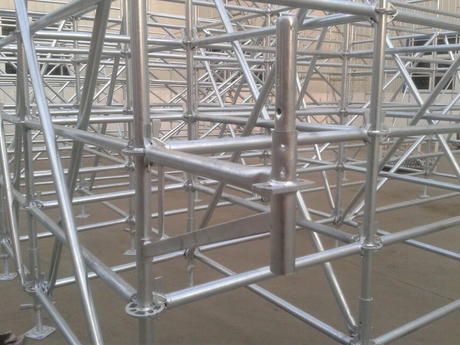
The scaffolding shed frame is constructed from various scaffolding parts, including:
- H Frames or Walk-Through Frames: Vertical frames that form the sides of the shed.
- Cross Braces: Diagonal braces that stabilize the vertical frames.
- Ledger and Transom Tubes: Horizontal tubes that support the decking and provide structural integrity.
- Decking/Platforms: Panels or boards placed on top to form the roof of the shed.
- Base Plates or Adjustable Jacks: Provide a stable foundation for the vertical frames.
- Guardrails and Toeboards: Installed for additional safety on accessible platforms.
- Couplers and Clamps: Used to securely connect the scaffolding components.
- Protective Sheeting or Netting (Optional): Sometimes added on top of the decking to prevent smaller debris from falling through.
How Is a Scaffolding Shed Frame Used?
1. Pedestrian Protection
One of the most common uses of a scaffolding shed frame is to create a covered walkway around construction sites, especially in urban areas with high foot traffic. This protects pedestrians from falling debris and ensures safe passage.
2. Material and Equipment Storage
The shed frame can serve as a sheltered area to store construction materials or equipment temporarily, protecting them from weather elements.
3. Weather Protection for Workers
In some cases, shed frames offer shelter for workers performing tasks at lower levels, shielding them from sun, rain, or snow.
4. Site Access and Security
Shed frames can be designed to control access points on construction sites, guiding workers and visitors safely through designated paths.
Step-by-Step Guide to Assembling a Scaffolding Shed Frame
Step 1: Site Preparation and Planning
- Assess the area where the shed frame will be constructed.
- Ensure the ground is level and clear of debris.
- Determine the dimensions needed based on pedestrian flow and site requirements.
Step 2: Lay the Base
- Position base plates or adjustable jacks on a stable surface.
- Adjust jacks to level the base if the ground is uneven.
Step 3: Erect Vertical Frames
- Install H frames or walk-through frames vertically on the base plates.
- Ensure frames are plumb and spaced according to design specifications.
Step 4: Install Horizontal Ledgers and Transoms
- Connect ledgers horizontally between vertical frames to provide lateral stability.
- Place transoms perpendicular to ledgers to support decking.
Step 5: Attach Cross Bracing
- Secure diagonal cross braces between vertical frames to increase rigidity.
- Cross bracing prevents sway and ensures structural integrity.
Step 6: Lay Decking
- Place scaffold boards or metal planks on the transoms to form the roof.
- Secure decking to prevent displacement.
Step 7: Add Guardrails and Toeboards (If Applicable)
- For accessible platforms or walkways, install guardrails and toeboards for fall protection.
Step 8: Final Inspection
- Check all connections, braces, and decking for security.
- Ensure the shed frame is stable and safe for use.
Safety Considerations When Using Scaffolding Shed Frames
- Load Capacity: Ensure the shed frame can support the weight of decking, debris, and any additional loads.
- Regular Inspections: Conduct daily inspections to check for loose components or damage.
- Compliance with Regulations: Follow OSHA, EN, or local safety standards.
- Proper Training: Only qualified personnel should assemble or modify the shed frame.
- Use of PPE: Workers should wear helmets, gloves, and harnesses as required.
- Weather Precautions: Secure shed frames against strong winds or adverse weather.
Applications of Scaffolding Shed Frames in Various Industries
Construction and Renovation
Shed frames are widely used in residential, commercial, and industrial construction to safeguard the public and workers during facade works, window installation, or exterior renovations. They are often integrated with other scaffolding systems such as Cuplock scaffolding accessories, Layher metric all-round scaffolding systems, and aluminum scaffold planks to enhance functionality and safety.
Event Management
Temporary scaffolding shed frames can be used to create covered walkways or sheltered areas during outdoor events, concerts, or festivals, providing protection from weather and crowd control.
Film and Photography
Shed frames provide safe elevated platforms and protective cover for lighting rigs, cameras, and crew in film production, ensuring equipment and personnel safety.
Maintenance and Cleaning
Used for access and protection during building maintenance, window cleaning, or exterior painting, shed frames ensure that workers can perform tasks safely while protecting passersby.
Advantages of Using Scaffolding Shed Frames
- Enhanced Safety: Protects pedestrians and workers from falling objects.
- Versatility: Can be customized to fit various site layouts and requirements.
- Cost-Effective: Reusable components reduce overall project costs.
- Quick Assembly: Modular design allows for rapid setup and dismantling.
- Weather Protection: Shields work areas and materials from rain or sun.
- Compatibility: Easily integrates with various scaffolding systems and accessories, including BS standard scaffolding tubes, forged couplers, and aluminum pump jack scaffolding.
Integration with Other Scaffolding Systems and Accessories
The scaffolding shed frame is often combined with various scaffolding systems and accessories to enhance safety and functionality on site. For example:
- Cuplock Scaffolding Accessories: Known for their quick assembly and modular design, Cuplock components can be integrated with shed frames to improve structural stability.
- Layher Metric All-Round Scaffolding Systems: Popular in Europe, these systems use metric dimensions and can be adapted to fit shed frames for comprehensive site protection.
- Aluminum Scaffold Planks and Pump Jack Scaffolding: Lightweight aluminum planks can be used as decking on shed frames, while pump jack scaffolding provides adjustable height support for complex site layouts.
- Forged Couplers and Clamps: Essential for securely connecting components, ensuring the shed frame remains stable under load.
Integrating these systems allows for tailored solutions that meet diverse project needs while maintaining compliance with safety standards.
Conclusion
A scaffolding shed frame is an indispensable safety feature in modern construction and maintenance projects. It provides a protective canopy that safeguards pedestrians, workers, and property from falling debris and adverse weather conditions. Its modular design, ease of assembly, and adaptability make it a versatile solution for a wide range of applications beyond construction, including events and film production. Proper planning, assembly, and adherence to safety standards ensure that scaffolding shed frames serve their purpose effectively and reliably. Furthermore, integrating shed frames with other scaffolding systems and accessories such as Cuplock, Layher, and aluminum components enhances their functionality and safety on site.

FAQ
1. What materials are typically used to build a scaffolding shed frame?
Scaffolding shed frames are usually constructed from steel or aluminum scaffolding components such as H frames, ledgers, and braces. Decking is often made from metal planks or wood boards.
2. How long does it take to assemble a scaffolding shed frame?
Assembly time depends on the size and complexity but typically ranges from a few hours to a day for standard setups by trained workers.
3. Can a scaffolding shed frame support heavy loads?
Yes, when properly constructed with adequate bracing and decking, shed frames can support the weight of debris, tools, and weather loads as specified by safety standards.
4. Are scaffolding shed frames reusable?
Absolutely. The modular components are designed for multiple uses across different projects, making them cost-effective.
5. What safety standards apply to scaffolding shed frames?
Standards vary by country but commonly include OSHA regulations in the US, EN standards in Europe, and local building codes. Compliance ensures structural integrity and worker safety.