Content Menu
● What Is Frame Scaffolding?
>> Key Features of Frame Scaffolding
>> Typical Construction Method
● Types of Frame Scaffolding
>> Standard Frame Scaffolding
>> A-Frame Scaffolding
● Uses of Scaffolding a Frame
● Components of Frame Scaffolding
● Safety Considerations in Scaffolding a Frame
>> Key Safety Practices
● Advantages of Scaffolding a Frame
● Conclusion
● FAQ
>> 1. What materials are used to make frame scaffolding?
>> 2. How is frame scaffolding assembled?
>> 3. What are the main safety concerns when using frame scaffolding?
>> 4. Can frame scaffolding be used indoors?
>> 5. What are the advantages of using frame scaffolding over other types?
● Citations:
Scaffolding a frame refers to the assembly of prefabricated metal frames, typically made from steel or aluminum tubing, connected by cross braces to form a stable structure. This structure supports platforms or decks where workers can safely perform tasks such as construction, repair, painting, or maintenance on buildings and other structures.Frame scaffolding is one of the most common scaffolding types worldwide due to its simplicity, strength, and versatility[1][2][8].
What Is Frame Scaffolding?
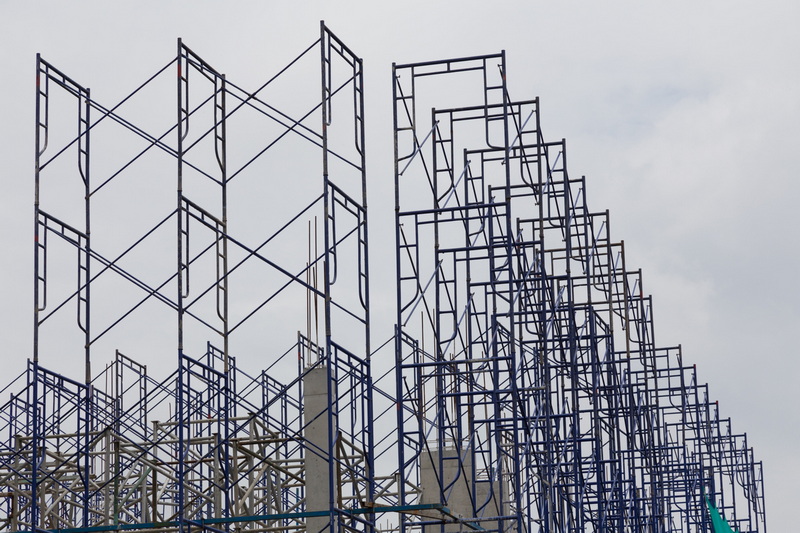
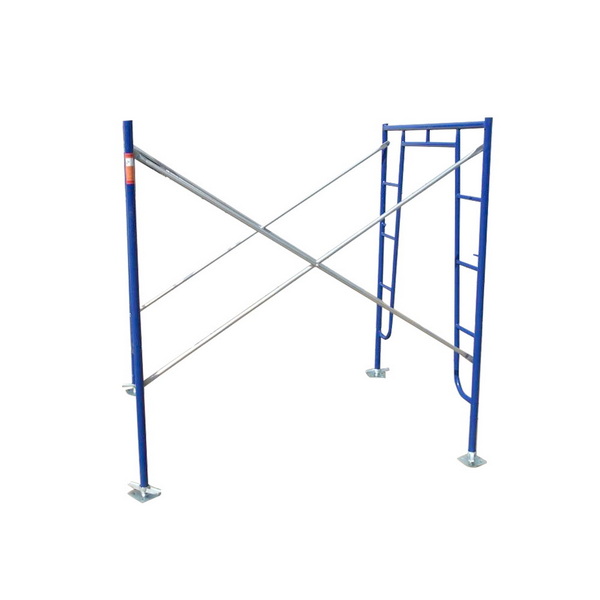
Frame scaffolding, also known as tubular welded scaffolding, consists of modular frames that are easy to assemble and disassemble. These frames come in various sizes and configurations, with the most common being 5ft by 5ft frames and walking arch or gable frames[1][2].
Key Features of Frame Scaffolding
- Simplicity: Easy to assemble with minimal tools and training.
- Strength: Made from high-strength steel or aluminum tubing.
- Versatility: Can be configured to different heights and lengths.
- Portability: Lightweight frames allow for easy transport and repositioning[8].
Typical Construction Method
Two scaffolding frames are connected by two crossed support bars arranged in a square. Workers climb the assembled sections to add new frames on top, building the scaffold vertically[1].
Types of Frame Scaffolding
Standard Frame Scaffolding
The most common type, featuring rectangular frames connected by cross braces. Used extensively in construction sites for general access and support.
A-Frame Scaffolding
Characterized by its triangular "A" shape, this type is portable and ideal for interior work, short-term projects, and event staging. It is easy to assemble and adjust in height, making it suitable for painting, plastering, and electrical installations[5].
Uses of Scaffolding a Frame
Frame scaffolding serves multiple purposes across various industries:
- Construction: Provides safe access to high or hard-to-reach areas during building erection, repair, or demolition.
- Maintenance and Repair: Supports workers performing tasks like window cleaning, painting, or facade repairs.
- Events and Staging: Used to set up stages, lighting rigs, and decorations due to its portability and ease of assembly[5].
- Landscaping: Offers a stable platform for tree trimming or garden structure maintenance[5].
Components of Frame Scaffolding
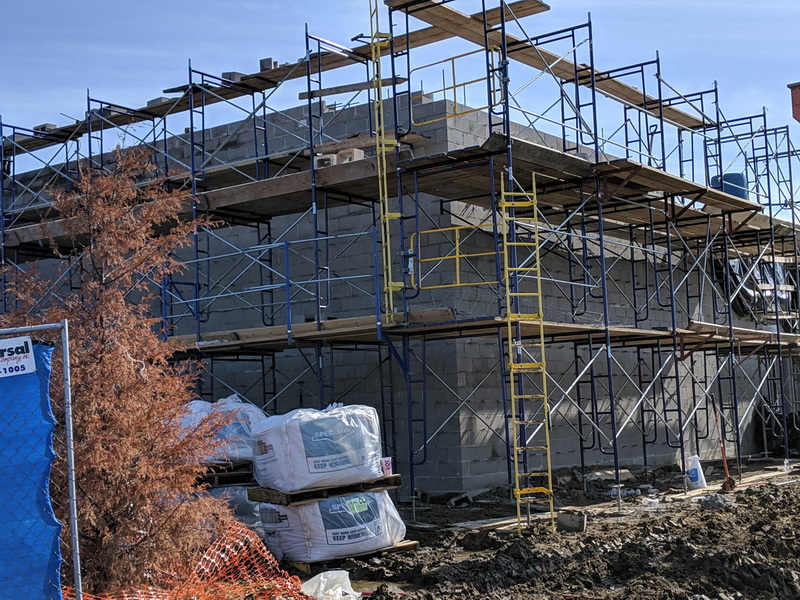
- Frames: The vertical and horizontal welded steel or aluminum sections.
- Cross Braces: Diagonal bars that stabilize the frames.
- Platforms/Decks: Boards or metal planks placed on the frames for standing or placing materials.
- Guardrails: Safety rails installed to prevent falls.
- Base Plates or Casters: Provide stability or mobility at the scaffold base[8].
Safety Considerations in Scaffolding a Frame
Safety is paramount when scaffolding a frame. Improper assembly or use can lead to accidents, including falls and structural collapses.
Key Safety Practices
- Qualified Supervision: Scaffolds must be erected, altered, and dismantled under the supervision of qualified workers knowledgeable about hazards and safety protocols[11].
- Daily Inspections: Scaffolds should be inspected before use and after any modifications.
- Load Limits: Adhere to weight restrictions to prevent overloading.
- Stable Ground: Ensure the scaffold is placed on firm, level ground.
- Guardrails and Toe Boards: Install to prevent falls and falling objects.
- Proper Training: Workers should receive training on scaffold use and safety[11].
Advantages of Scaffolding a Frame
- Efficiency: Quick assembly and dismantling save time on site.
- Cost-Effectiveness: Reusable components reduce overall project costs.
- Flexibility: Adaptable to various heights and configurations.
- Durability: High-quality materials ensure long service life[8].
Conclusion
Scaffolding a frame is an essential practice in construction and maintenance, providing a safe, efficient, and versatile platform for workers and materials. Its modular design, ease of assembly, and adaptability make it a preferred choice across various industries. However, safety must always be prioritized through proper training, supervision, and adherence to regulations. Understanding the components, types, and uses of frame scaffolding ensures effective and secure operations on any project.
FAQ
1. What materials are used to make frame scaffolding?
Frame scaffolding is typically made from high-strength steel or aluminum tubing, which provides durability and strength while remaining lightweight for easy handling[1][8].
2. How is frame scaffolding assembled?
It is assembled by connecting prefabricated frames with cross braces, forming a stable square or rectangular structure. Workers climb the scaffold to add new sections vertically[1].
3. What are the main safety concerns when using frame scaffolding?
Key concerns include ensuring the scaffold is stable, not overloaded, properly inspected daily, and erected under qualified supervision. Guardrails and toe boards are essential to prevent falls and falling objects[11].
4. Can frame scaffolding be used indoors?
Yes, especially A-frame scaffolding is suitable for indoor projects like painting and electrical work due to its compact size and portability[5].
5. What are the advantages of using frame scaffolding over other types?
Frame scaffolding offers simplicity, quick assembly, cost-effectiveness, and versatility, making it ideal for a wide range of construction and maintenance tasks[8].
Citations:
[1] https://www.zh-scaffolding.com/news/what-is-frame-scaffolding.html
[2] https://www.actionscaffold.com/post/a-comprehensive-guide-to-frame-scaffolding-everything-you-need-to-know
[3] https://www.osha.gov/etools/scaffolding/supported/frame
[4] https://superiorscaffold.com/pdf/SuperiorScaffoldCatalog%5BFrameScaffolding%5D.pdf
[5] https://primesteeltech.co.in/what-is-a-frame-scaffolding-and-where-is-it-used.html
[6] https://www.gettyimages.in/videos/scaffolding-frames
[7] https://www.bclts.org.uk/onewebmedia/Applied%20Chinese%20Language%20Studies%20V%EF%BC%88%E5%88%A0%E5%87%8F%E7%89%88%EF%BC%89.pdf
[8] https://scal-academy.com.sg/courses/course_detail/Frame-Scaffold
[9] https://www.istockphoto.com/photos/frame-scaffolding
[10] https://www.istockphoto.com/photos/scaffold-frame
[11] https://www.youtube.com/watch?v=q9fxGNhbtgw
[12] https://www.youtube.com/watch?v=wbv1wMqHbgo