Content Menu
● What Is Stucco A Frame Scaffolding?
● Key Features of Stucco A Frame Scaffolding
● How Is Stucco A Frame Scaffolding Used?
>> Typical Applications
>> Setup and Operation
● Benefits of Using Stucco A Frame Scaffolding
>> 1. Ease of Assembly and Portability
>> 2. Stability and Safety
>> 3. Cost-Effectiveness
>> 4. Versatility
>> 5. Compact Design
● Components of Stucco A Frame Scaffolding
● Safety Considerations for Stucco A Frame Scaffolding
>> Proper Spacing and Load Limits
>> Use of Guardrails and Toe Boards
>> Stable Ground and Leveling
>> Regular Inspection
>> Training and PPE
● Practical Tips for Using Stucco A Frame Scaffolding Effectively
>> Planning the Work Area
>> Choosing the Right Platform Material
>> Adjusting for Uneven Terrain
>> Moving the Scaffolding Safely
>> Weather Considerations
● Conclusion
● FAQ
>> 1. What is the typical height of stucco A frame scaffolding?
>> 2. Can stucco A frame scaffolding be used for painting and plastering?
>> 3. How is stucco A frame scaffolding different from traditional frame scaffolding?
>> 4. Is it safe to use stucco A frame scaffolding without guardrails?
>> 5. Where can I buy or rent stucco A frame scaffolding?
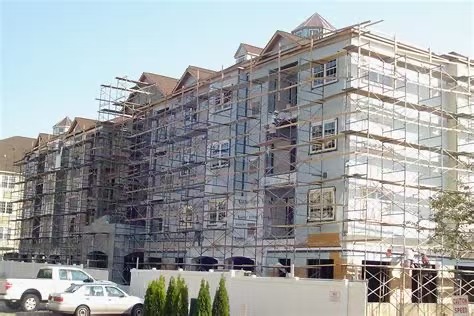
Stucco A frame scaffolding is a specialized type of frame scaffolding widely used in stucco application, plastering, painting, and other exterior finishing works. Its design offers a lightweight, portable, and easy-to-assemble solution tailored for working on walls and facades, especially in residential and commercial construction. This comprehensive article explores stucco a frame scaffolding in detail, covering its structure, components, applications, benefits, safety considerations, and practical usage tips.
What Is Stucco A Frame Scaffolding?
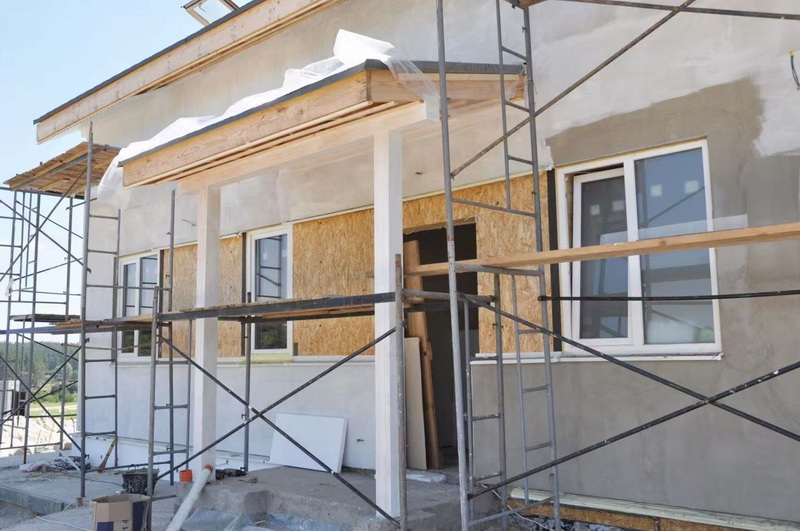
Stucco A frame scaffolding is a type of frame scaffolding characterized by its "A"-shaped vertical frames that support horizontal platforms or planks. Unlike traditional rectangular frame scaffolding, the A frame's angled legs provide stability without the need for extensive bracing, making it ideal for quick setup and repositioning.
Key Features of Stucco A Frame Scaffolding
- A-shaped Frames: The vertical supports form an “A” shape, with two legs angled outward and connected at the top by a horizontal crossbar.
- Lightweight Construction: Typically made from steel or aluminum tubing, the frames are designed to be portable and easy to handle.
- Platforms: Wooden or metal planks rest on the horizontal crossbars, providing a working surface for laborers.
- Adjustable Height: Some A frames come with adjustable legs or can be stacked with additional components to reach higher working levels.
- Compact Footprint: The angled legs reduce the base area needed, allowing use in tight spaces.
- Portability: The frames are foldable or easily disassembled for transport and storage.
How Is Stucco A Frame Scaffolding Used?
Stucco A frame scaffolding is primarily used in exterior finishing works such as applying stucco, plaster, or paint on walls and facades. Its design facilitates efficient movement along building exteriors and quick repositioning as work progresses.
Typical Applications
- Stucco Application: Provides a stable platform for workers to apply stucco evenly on walls.
- Plastering and Painting: Ideal for painters and plasterers working on multi-story buildings or residential homes.
- Maintenance and Repairs: Used for exterior repairs, cleaning, and inspections.
- Residential and Light Commercial Projects: Commonly used on houses, small apartment buildings, and commercial facades.
Setup and Operation
1. Placement: The A frames are positioned parallel to the wall, spaced according to platform length (usually 6 to 10 feet apart).
2. Platform Installation: Wooden or metal planks are laid across the horizontal crossbars of adjacent A frames, creating a continuous working surface.
3. Height Adjustment: For higher work, multiple A frames can be stacked or adjustable legs can be used.
4. Safety Measures: Guardrails and toe boards may be added for fall protection, especially on elevated platforms.
5. Movement: As work progresses, the scaffolding can be quickly disassembled and moved to the next section.
Benefits of Using Stucco A Frame Scaffolding
1. Ease of Assembly and Portability
Stucco A frame scaffolding is designed for quick setup with minimal tools. Its lightweight frames make it easy for workers to carry, position, and adjust without heavy machinery.
2. Stability and Safety
The angled legs of the A frames provide inherent stability, reducing the need for complex bracing. When combined with guardrails and toe boards, it offers a safe working environment.
3. Cost-Effectiveness
Compared to more complex scaffolding systems, stucco A frames are economical to purchase and maintain. Their portability reduces labor time and transportation costs.
4. Versatility
Suitable for a wide range of exterior finishing tasks, the scaffolding adapts well to different building shapes and heights, especially for low to mid-rise structures.
5. Compact Design
The narrow footprint allows use in confined spaces such as narrow alleys or close to landscaping, where larger scaffolding systems would be impractical.
Components of Stucco A Frame Scaffolding
- A Frames: The core vertical supports, typically 4 to 6 feet tall, made of tubular steel or aluminum.
- Crossbars: Horizontal bars at the top of the A frame that support the working platform.
- Platforms/Planks: Usually wood or metal boards placed across adjacent A frames.
- Base Plates or Feet: Provide grip and distribute weight on the ground.
- Guardrails and Toe Boards: Optional safety features to prevent falls and material drops.
- Braces and Pins: Used to secure frames and platforms together.
Safety Considerations for Stucco A Frame Scaffolding
Proper Spacing and Load Limits
Ensure A frames are spaced correctly to support the platform planks safely. Follow manufacturer guidelines for maximum load capacity, typically around 500 lbs per platform section.
Use of Guardrails and Toe Boards
Especially on platforms over 6 feet high, guardrails and toe boards are essential to prevent falls and protect workers below.
Stable Ground and Leveling
Place scaffolding on firm, level ground. Use base plates or adjustable feet to compensate for uneven surfaces.
Regular Inspection
Inspect frames, platforms, and connections before use for damage, corrosion, or wear.
Training and PPE
Workers should be trained in scaffold safety and wear appropriate personal protective equipment (PPE), such as harnesses, helmets, and non-slip footwear.
Practical Tips for Using Stucco A Frame Scaffolding Effectively
Planning the Work Area
Before erecting the scaffolding, plan the work area carefully. Measure the length of the wall or facade and determine how many A frames and platforms are needed to cover the area efficiently.
Choosing the Right Platform Material
Wooden planks are traditional and provide a solid surface but require regular inspection for cracks or rot. Metal platforms, often aluminum or steel, offer durability and are lighter but may be more expensive.
Adjusting for Uneven Terrain
Use adjustable base plates or screw jacks to level the scaffolding on uneven ground, ensuring worker safety and platform stability.
Moving the Scaffolding Safely
When work on one section is complete, disassemble the scaffolding carefully and move it to the next area. Avoid dragging the frames to prevent damage.
Weather Considerations
Avoid using stucco A frame scaffolding in high winds or slippery conditions. Secure platforms and guardrails to prevent accidents.
Conclusion
Stucco A frame scaffolding is a practical, versatile, and cost-effective scaffolding solution designed specifically for stucco application and related exterior finishing tasks. Its lightweight, portable, and easy-to-assemble design makes it ideal for residential and light commercial projects. The inherent stability of the A frame shape, combined with proper safety measures, ensures a secure working platform for plasterers, painters, and maintenance workers. By understanding its components, applications, and safety requirements, contractors can maximize efficiency and safety on their projects.
FAQ
1. What is the typical height of stucco A frame scaffolding?
Stucco A frame scaffolding frames typically range from 4 to 6 feet tall but can be stacked or combined with adjustable legs to reach higher working heights.
2. Can stucco A frame scaffolding be used for painting and plastering?
Yes, it is commonly used for stucco application, plastering, painting, and other exterior finishing tasks.
3. How is stucco A frame scaffolding different from traditional frame scaffolding?
Stucco A frame scaffolding features angled legs forming an "A" shape, providing inherent stability and portability, whereas traditional frame scaffolding uses rectangular frames requiring more bracing.
4. Is it safe to use stucco A frame scaffolding without guardrails?
Guardrails are recommended, especially at heights above 6 feet, to prevent falls and ensure worker safety.
5. Where can I buy or rent stucco A frame scaffolding?
Stucco A frame scaffolding is available at professional plastering supply stores, construction equipment rental companies, and online retailers specializing in scaffolding equipment.