Content Menu
● Understanding Steel Scaffolding Frames
>> Key Features of Steel Scaffolding Frames:
>> Types of Steel Scaffolding Frames
● Advantages of Using Steel Scaffolding Frames
● Factors to Consider When Choosing a Steel Scaffolding Frame
● Conclusion
● FAQ
>> 1. What are the main advantages of using steel scaffolding frames?
>> 2. How do I choose the right type of steel scaffolding frame for my project?
>> 3. What are some common types of steel scaffolding frames?
>> 4. How can I ensure the safety of workers using steel scaffolding frames?
>> 5. What are some high-performance steel scaffolding systems available?
● Citations:
In the construction industry, steel scaffolding frames play a vital role in providing safe and efficient access to elevated areas[5]. These structures are essential for various tasks, including building, maintenance, and repair work[5]. Selecting the right type of steel scaffolding frame is critical for ensuring the safety of workers, the stability of the structure, and the overall success of the project[1].
Understanding Steel Scaffolding Frames
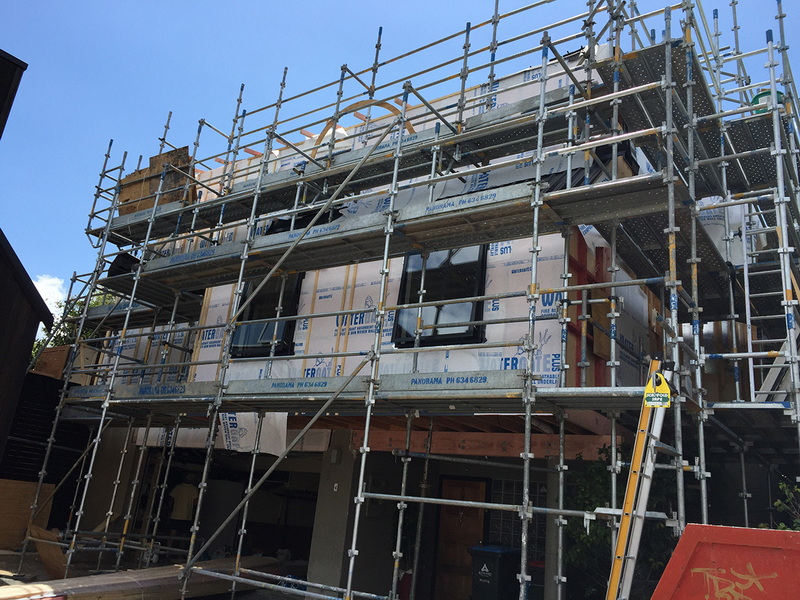
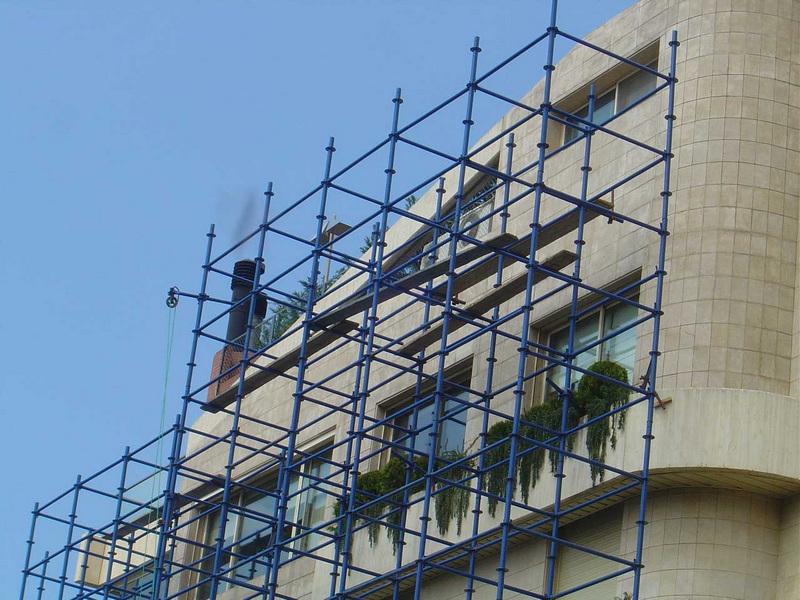
Steel scaffolding frames are temporary structures made primarily of steel tubes and fittings[6]. They are designed to provide a stable and secure platform for workers to perform tasks at heights[5]. The modular design of steel scaffolding allows for easy assembly and disassembly, making it a versatile solution for various construction needs[4].
Key Features of Steel Scaffolding Frames:
- High Load-Bearing Capacity: Steel scaffolding can support heavy loads of workers, equipment, and materials[1].
- Durability: Galvanized steel scaffolding is corrosion-resistant and can withstand harsh weather conditions, making it suitable for long-term projects[1][4].
- Stability: The robust connections and design of steel scaffolding ensure a stable and safe working environment[6].
- Flexibility: Steel scaffolding can be easily adapted to different heights and configurations, accommodating various project requirements[5].
- Safety Features: Integrated guardrails and toe boards enhance worker safety by preventing falls and accidents[4].
Types of Steel Scaffolding Frames
There are several types of steel scaffolding frames, each designed for specific applications and construction needs[6]. Here are some of the most common types:
1. Tube and Coupler Scaffolding: This type of scaffolding consists of steel tubes connected by couplers or clamps[6]. It is highly flexible and can be adapted to complex structures and various heights[2].
2. Frame Scaffolding: Frame scaffolding, also known as H-frame scaffolding, is made up of a series of H-shaped frames connected by cross braces[6]. It is easy to assemble and is commonly used for smaller construction projects and maintenance work[6].
3. System Scaffolding: System scaffolding utilizes interlocking components and adjustable brackets for quick and efficient assembly[4]. Common types include Cuplock, Ringlock, Kwikstage, and Haki systems[4].
4. Rolling Scaffolding: Rolling scaffolding, also known as mobile scaffolding, is equipped with wheels for easy movement around the construction site[5]. It is ideal for tasks that require frequent relocation[5].
5. Specialty Scaffolding: This category includes scaffolding systems designed for unique applications, such as cantilever scaffolding, suspended scaffolding, and mast climbing work platforms[6].
Advantages of Using Steel Scaffolding Frames
Steel scaffolding frames offer numerous advantages over other scaffolding materials, such as wood or aluminum. These benefits include:
- Strength and Durability: Steel scaffolding is capable of supporting heavy loads and withstanding harsh weather conditions, ensuring a safe and reliable working platform[1].
- Cost-Effectiveness: While the initial cost of steel scaffolding may be higher than other materials, its durability and long lifespan make it a cost-effective solution in the long run[1].
- Safety: Steel scaffolding provides a stable and secure working environment, reducing the risk of accidents and injuries[4].
- Versatility: Steel scaffolding can be easily adapted to various heights, configurations, and project requirements[5].
- Ease of Assembly and Disassembly: The modular design of steel scaffolding allows for quick and efficient assembly and disassembly, saving time and labor costs[4].
Factors to Consider When Choosing a Steel Scaffolding Frame
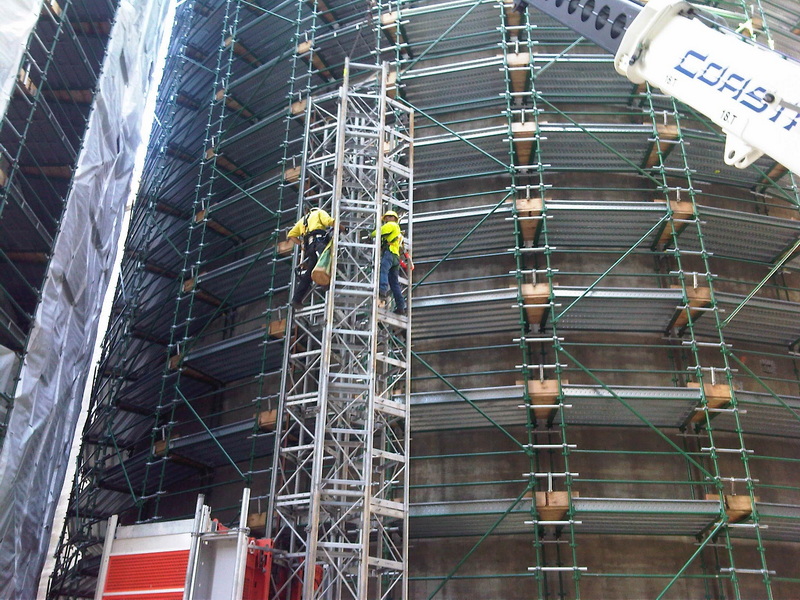
Selecting the best steel scaffolding frame for your construction project requires careful consideration of several factors. These include:
1. Project Requirements: Determine the specific needs of your project, such as the height, load-bearing capacity, and complexity of the structure[1].
2. Site Conditions: Assess the terrain, weather conditions, and any potential hazards that may affect the stability and safety of the scaffolding[1].
3. Type of Work: Consider the type of tasks that will be performed on the scaffolding, such as masonry, painting, or welding, and choose a frame that is suitable for those activities[6].
4. Budget: Evaluate the cost of different scaffolding options, including purchase, rental, and maintenance expenses, to determine the most cost-effective solution[5].
5. Safety Regulations: Ensure that the scaffolding complies with all relevant safety regulations and standards to protect workers and prevent accidents[4].
Several high-performance steel scaffolding systems are available on the market, each with unique features and benefits[4]. Some of the top options include:
- Cuplock System: Known for its interlocking components and adjustable brackets, the Cuplock system offers versatility and efficiency in assembly[4].
- Ringlock System: The Ringlock system provides superior load-bearing capacity and resistance to harsh weather conditions, making it ideal for large-scale construction projects[4].
- Frame Scaffolding Systems: Frame scaffolding systems are unbeatable for high-rise construction due to their load-bearing capacity and robust connections[4].
- Plettac Contur System: The Plettac Contur system features a unique contoured design that conforms to complex building shapes, providing unparalleled flexibility and efficiency[4].
Conclusion
Steel scaffolding frames are an indispensable component of modern construction projects, offering a safe, stable, and efficient platform for workers to perform tasks at heights[5]. By understanding the different types of steel scaffolding frames, their advantages, and the factors to consider when choosing a system, construction professionals can ensure the success and safety of their projects[1][4][6]. Selecting the right steel scaffolding frame is a critical decision that can impact the overall efficiency, cost-effectiveness, and safety of any construction endeavor[5].
FAQ
1. What are the main advantages of using steel scaffolding frames?
Steel scaffolding frames offer several advantages, including high load-bearing capacity, durability, stability, flexibility, and ease of assembly and disassembly[1][4][5]. They are also cost-effective in the long run due to their long lifespan and resistance to harsh weather conditions[1].
2. How do I choose the right type of steel scaffolding frame for my project?
To choose the right type of steel scaffolding frame, consider the specific requirements of your project, such as the height, load-bearing capacity, and complexity of the structure[1]. Also, assess the site conditions, type of work, budget, and relevant safety regulations[4][5][6].
3. What are some common types of steel scaffolding frames?
Some common types of steel scaffolding frames include tube and coupler scaffolding, frame scaffolding, system scaffolding, rolling scaffolding, and specialty scaffolding[6]. Each type is designed for specific applications and construction needs[2][4][5].
4. How can I ensure the safety of workers using steel scaffolding frames?
To ensure the safety of workers, make sure the scaffolding complies with all relevant safety regulations and standards[4]. Regularly inspect the scaffolding for defects and ensure that workers are properly trained in its safe use[6]. Use safety features such as integrated guardrails and toe boards to prevent falls and accidents[4].
5. What are some high-performance steel scaffolding systems available?
Some high-performance steel scaffolding systems include the Cuplock system, Ringlock system, frame scaffolding systems, and Plettac Contur system[4]. Each system offers unique features and benefits for different construction projects[4].
Citations:
[1] https://www.ttfs.com.au/blog/scaffolding-types-in-construction/
[2] https://skelscaff.com.au/7-types-of-scaffolding-in-construction-that-you-should-know/
[3] https://australianscaffolds.com.au/which-scaffolding-system-is-best/
[4] https://www.fommec.com/top-high-performance-scaffolding-systems-for-construction-projects/
[5] https://www.industrialproducts.com/ladders-lifts-scaffolding/scaffolding/steel-scaffolding.html
[6] https://www.youtube.com/watch?v=RCdHJ2Dkjfg
[7] https://www.youtube.com/watch?v=KWnBNf1INfs
[8] https://ausf.com.au/product-category/a-frame-scaffold/
[9] https://www.gettyimages.com.au/videos/steel-scaffolding