Content Menu
● Introduction to Scaffolding Tubes
>> Imperial Measurements
>> Metric Measurements
● Manufacturing Process
● Tube Wall Thickness
● Japanese and Korean Standards
● Fittings and Connectors
● Tube and Clamp Scaffolding
● Benefits of Tube and Clamp Scaffolding
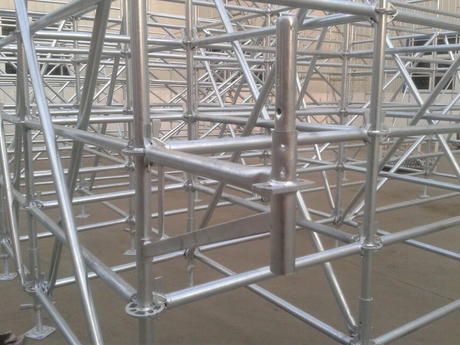
● Modular Scaffolding Systems
● Advantages of Modular Scaffolding
● Safety Considerations
● Safety Regulations
● Environmental Factors
● Protective Measures
● Conclusion
● FAQ
>> 1. What is the standard outside diameter of a scaffolding tube?
>> 2. Why are scaffolding tubes not sized according to their outside diameter?
>> 3. What materials are scaffolding tubes made of?
>> 4. How are scaffolding tubes connected?
>> 5. What are the benefits of using tube and clamp scaffolding?
● Citations:
Scaffolding tubes are essential components in construction, providing temporary support structures for workers to access high areas safely. Understanding the dimensions of scaffolding tubes is crucial for ensuring the stability and safety of these structures. In this article, we will delve into the specifics of scaffolding tube diameters, their manufacturing process, and how they are used in construction projects.
Introduction to Scaffolding Tubes
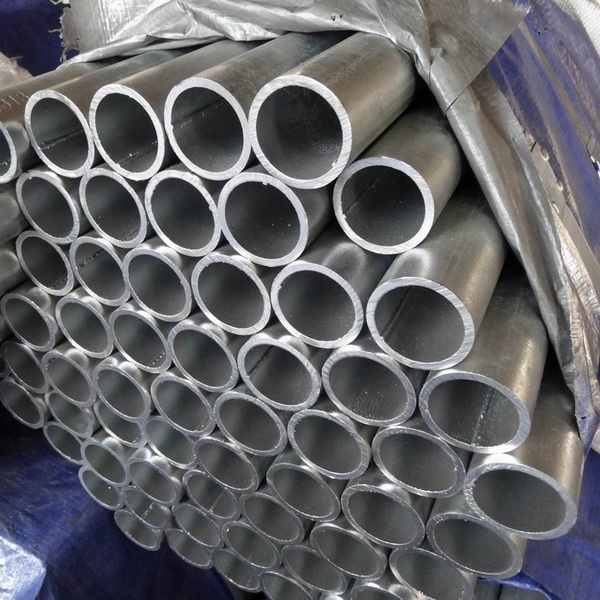
Scaffolding tubes are typically made from steel or aluminum, with steel being the most common material due to its strength and durability. These tubes are designed to support heavy loads and withstand various environmental conditions. The standard diameter of a scaffolding tube is often referenced in both imperial and metric measurements.
Imperial Measurements
Historically, scaffolding tubes were sized based on their inside diameter. For example, a "1 ½ inch" scaffold tube originally had an inside diameter of 1 ½ inches. However, the outside diameter was larger to accommodate the necessary wall thickness for structural integrity. Over time, the naming convention persisted even as the industry shifted towards referencing outside diameters.
Metric Measurements
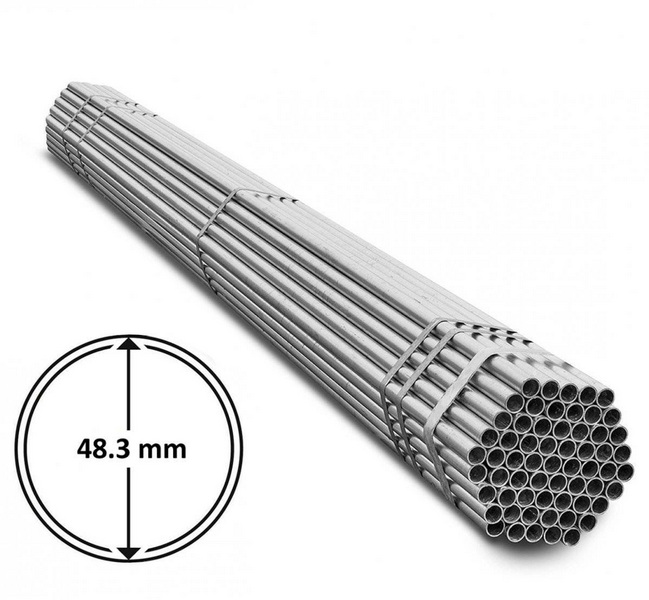
In metric terms, the standard outside diameter of a scaffolding tube is typically 48.3 mm, which corresponds to the old imperial measurement of 1.5 inches. This metric size is widely adopted to avoid confusion and ensure uniformity across different regions.
Manufacturing Process
Scaffolding tubes are manufactured using different processes depending on the material:
- Steel Tubes: These are hot-rolled and shaped into a round form. Steel tubes are preferred for their strength and ability to support heavy loads.
- Aluminum Tubes: These are extruded from aluminum. Aluminum tubes are lighter and often used in applications where weight is a concern.
Tube Wall Thickness
The wall thickness of scaffolding tubes is critical for maintaining structural integrity. Thicker walls provide greater strength but reduce the internal diameter of the tube. For example, a 1 ½ inch tube might have an outside diameter closer to 2 inches to accommodate a wall thickness of about ¼ inch.
Japanese and Korean Standards
In Japan and Korea, scaffolding pipes have a standard outside diameter of 48.6 mm. The wall thickness for these pipes ranges from 1.8 mm to 2.5 mm, making them lighter than British standard tubes.
Fittings and Connectors
Scaffolding tubes are connected using fittings and connectors, such as clamps, to form a stable frame. These clamps are designed to secure the tubes at various angles, ensuring flexibility and stability in the scaffolding structure.
Tube and Clamp Scaffolding
Tube and clamp scaffolding is a popular method for constructing temporary structures. It consists of steel tubes connected by clamps, which provide a strong and reliable support system without requiring welding. This type of scaffolding is versatile, easy to assemble, and customizable for different project needs.
Benefits of Tube and Clamp Scaffolding
- Strong and Reliable: The steel tubes and clamps provide a sturdy platform for workers.
- Flexible and Customizable: Tubes can be cut to different lengths and adjusted to fit any project.
- Easy to Set Up and Take Down: Clamps are simple to use, saving time on construction sites.
- Safe for Workers: The structure is designed to be secure, protecting workers from falls.
Modular Scaffolding Systems
In addition to tube and clamp systems, modular scaffolding systems are gaining popularity. These systems use pre-fabricated components that can be easily assembled into a variety of configurations. Modular scaffolding offers improved efficiency and safety by reducing the number of loose parts and simplifying the assembly process.
Advantages of Modular Scaffolding
- Efficient Assembly: Modular components are designed to fit together quickly and securely.
- Reduced Labor Costs: The simplicity of modular systems saves time and labor during setup and teardown.
- Enhanced Safety: Fewer loose parts reduce the risk of accidents and injuries.
Safety Considerations
Safety is paramount when using scaffolding tubes. Ensuring that all components are properly secured and that the structure is regularly inspected can prevent accidents. Workers should always follow safety guidelines and use personal protective equipment (PPE) when working at heights.
Safety Regulations
- Regular Inspections: Scaffolding structures should be inspected daily before use.
- Proper Assembly: Ensure all components are securely fastened.
- Training: Workers should receive training on scaffolding assembly and safety procedures.
Environmental Factors
Environmental conditions can affect the durability and safety of scaffolding tubes. Extreme temperatures, moisture, and exposure to chemicals can weaken the material over time. Regular maintenance and protective coatings can help extend the lifespan of scaffolding tubes.
Protective Measures
- Galvanization: Applying a zinc coating to steel tubes protects against corrosion.
- Painting: Applying a durable paint can protect against weathering.
- Storage: Proper storage in dry conditions can prevent rust and damage.
Conclusion
Understanding the diameter of scaffolding tubes is essential for ensuring the safety and stability of construction projects. Whether using imperial or metric measurements, the standard outside diameter of scaffolding tubes is typically around 48.3 mm. The manufacturing process, wall thickness, and fittings all play crucial roles in the structural integrity of these tubes. Tube and clamp scaffolding offers a versatile and reliable solution for temporary support structures in construction. Additionally, modular scaffolding systems provide efficiency and safety benefits by simplifying assembly and reducing loose parts.
FAQ
1. What is the standard outside diameter of a scaffolding tube?
The standard outside diameter of a scaffolding tube is typically 48.3 mm, which corresponds to the old imperial measurement of 1.5 inches.
2. Why are scaffolding tubes not sized according to their outside diameter?
Historically, scaffolding tubes were sized based on their inside diameter. The naming convention persisted even as the industry shifted towards referencing outside diameters to avoid confusion.
3. What materials are scaffolding tubes made of?
Scaffolding tubes are commonly made from steel or aluminum. Steel tubes are preferred for their strength, while aluminum tubes are lighter and used in applications where weight is a concern.
4. How are scaffolding tubes connected?
Scaffolding tubes are connected using fittings and connectors, such as clamps, which secure the tubes at various angles to form a stable frame.
5. What are the benefits of using tube and clamp scaffolding?
Tube and clamp scaffolding is strong, flexible, easy to assemble, and safe for workers. It is versatile and can be customized for different project needs.
Citations:
[1] https://dss.net/why-a-1-%C2%BD-inch-scaffold-tube-does-not-have-a-1-%C2%BD-inch-diameter/
[2] https://www.wm-scaffold.com/scaffolding-pipes.html
[3] https://www.alamy.com/stock-photo/scaffolding-pipe.html
[4] https://www.youtube.com/watch?v=ZM6Tlh_NAnQ
[5] https://www.grinsulating.com/top-benefits-tube-and-clamp-scaffold/
[6] https://www.expertscaffolding.ie/post/tube-and-fitting-scaffolding-frequently-asked-questions
[7] https://www.tytsteelpipes.com/news/common-specifications-of-scaffolding-tubes-43282920.html
[8] https://www.scafom-rux.com/en/scaffolding-blog/why-a-1-1-2-inch-scaffold-tube-does-not-have-a-1-1-2-inch-diameter
[9] https://gezu-impex.com/scaffold-tube-100-m-o-483-mm
[10] https://www.altradgeneration.com/en-gb/products/scaffolding/scaffold-tube
[11] https://en.wikipedia.org/wiki/Tube_and_clamp_scaffold
[12] https://georgeroberts.com/products/traditional-scaffolding/scaffold-tube/aluminium-scaffolding-tube/
[13] https://www.scaffoldingsuppliesforsale.co.uk/latest-news/the-ultimate-guide-to-scaffold-tubes/
[14] https://www.istockphoto.com/photos/stack-scaffolding-pipe-construction-site
[15] https://www.istockphoto.com/photos/scaffolding-tube
[16] https://www.alamy.com/stock-photo/tube-scaffolding.html
[17] https://www.shutterstock.com/search/scaffold-tube
[18] https://www.youtube.com/watch?v=5DJp74FtyQ8
[19] https://pixabay.com/images/search/scaffolding/
[20] https://www.istockphoto.com/photos/pipe-scaffolding
[21] https://www.unitedscaffold.ca/scaffold-news/common-questions-about-scaffolding-systems/
[22] https://aaitscaffold.com/blog/top-7-scaffolding-questions-with-answers/
[23] https://www.scaffoldingsolutions.com/articles/scaffolding-faqs/
[24] https://www.adtomall.com/scaffolding-tube
[25] https://ausf.com.au/product/steel-scaffold-tube/
[26] https://www.wm-scaffold.com/bs1139-scaffold-tube.html
[27] https://www.scaffolding-direct.co.uk/scaffolding-tube-galvanised-steel-6.0m-3.2mm-wall
[28] https://www.themetalstore.co.uk/products/scaffolding-tube
[29] https://www.youtube.com/watch?v=61PDBVH-7i4