Content Menu
● Understanding System Scaffold
● Key Features of System Scaffold
● Understanding Frame Scaffold
● Key Features of Frame Scaffold
● System Scaffold vs Frame Scaffold: Key Differences
● Advantages of System Scaffold
● Disadvantages of System Scaffold
● Advantages of Frame Scaffold
● Disadvantages of Frame Scaffold
● Applications of System Scaffold vs Frame Scaffold
>> System Scaffold Applications
>> Frame Scaffold Applications
● Conclusion
● FAQ
>> 1. What is system scaffold?
>> 2. What is frame scaffold?
>> 3. What are the main differences between system scaffold and frame scaffold?
>> 4. Which type of scaffold is better for heavy-duty applications?
>> 5. Can both types of scaffolding be used interchangeably?
● Citations:
In the construction industry, scaffolding is an essential component that provides support and access for workers at various heights. Among the many types of scaffolding available, system scaffold and frame scaffold are two of the most commonly used. Understanding the differences between these two systems is crucial for selecting the right scaffolding for your project. This article will explore the definitions, features, advantages, disadvantages, and applications of both system scaffold and frame scaffold, helping you make informed decisions for your construction needs.
Understanding System Scaffold
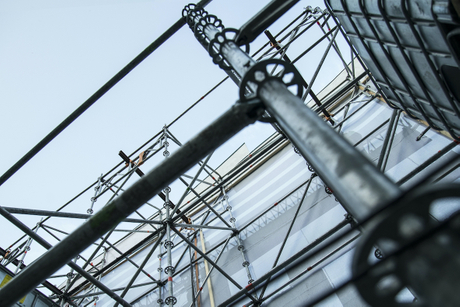
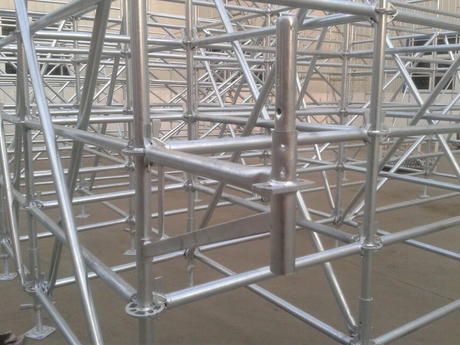
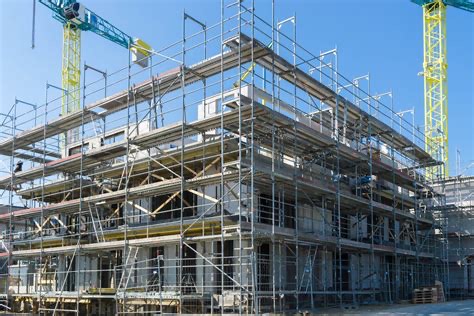
System scaffold, also known as modular or prefabricated scaffolding, consists of standardized components that are pre-engineered for quick assembly and disassembly. The system typically includes vertical standards, horizontal ledgers, diagonal braces, and platform decking. The components are designed to connect easily using fixed connection points, allowing for a high degree of flexibility and adaptability.
Key Features of System Scaffold
1. Modular Design: The modular nature allows for easy customization to fit various project requirements.
2. Quick Assembly: The pre-engineered components enable rapid setup and takedown.
3. High Load Capacity: System scaffolds are designed to support heavy loads, making them suitable for industrial applications.
4. Safety Features: Many system scaffolds come equipped with built-in safety features such as guardrails and toe boards.
Understanding Frame Scaffold
Frame scaffold is one of the most traditional forms of scaffolding used in construction. It consists of a series of vertical frames connected by horizontal braces and cross braces. The frames are typically made from steel or aluminum and are designed to be stacked vertically to create multiple tiers.
Key Features of Frame Scaffold
1. Simplicity: Frame scaffolds are straightforward to assemble and disassemble, making them user-friendly.
2. Versatility: They can be used in various applications, from residential buildings to commercial projects.
3. Cost-Effectiveness: Frame scaffolds are often less expensive than system scaffolds due to their simpler design.
4. Wide Availability: Frame scaffolding is widely available in many regions, making it easy to source.
System Scaffold vs Frame Scaffold: Key Differences
| Feature | System Scaffold | Frame Scaffold |
| Design | Modular design with standardized components | Traditional design with vertical frames |
| Assembly Time | Quick assembly due to pre-engineered parts | Moderate assembly time; requires more manual labor |
| Load Capacity | Higher load capacity; suitable for heavy-duty use | Generally lower load capacity compared to system |
| Flexibility | Highly adaptable; can be customized easily | Less flexible; limited to fixed frame sizes |
| Safety Features | Often includes built-in safety features | Requires additional safety measures |
| Cost | Higher initial investment but long-term savings | Generally lower initial costs |
Advantages of System Scaffold
1. Enhanced Safety Features
- System scaffolds often come with built-in safety features such as guardrails and toe boards that help prevent falls and accidents on the job site.
2. Quick Assembly and Disassembly
- The modular design allows for rapid setup and takedown, reducing downtime on construction projects.
3. Versatility
- System scaffolds can be adapted to fit various project requirements, making them suitable for a wide range of applications.
4. High Load Capacity
- Designed to support heavy loads, system scaffolds are ideal for industrial applications where heavy materials need to be lifted.
5. Reduced Labor Costs
- The ease of assembly can lead to reduced labor costs since fewer workers may be needed to set up the scaffold.
Disadvantages of System Scaffold
1. Higher Initial Costs
- The upfront investment for system scaffolding can be higher than frame scaffolding due to the cost of modular components.
2. Complexity in Design
- While adaptable, designing a system scaffold layout may require more planning and expertise compared to frame scaffolding.
3. Limited Availability
- Depending on the region, system scaffolds may not be as readily available as traditional frame scaffolding.

Advantages of Frame Scaffold
1. Cost-Effectiveness
- Frame scaffolding typically has lower initial costs compared to system scaffolding.
2. Simplicity
- The straightforward design makes it easy for workers to assemble and disassemble without specialized training.
3. Wide Availability
- Frame scaffolds are widely available in many locations, making them easy to source for construction projects.
4. Versatile Applications
- Suitable for various applications, including residential construction, masonry work, and general maintenance tasks.
Disadvantages of Frame Scaffold
1. Lower Load Capacity
- Frame scaffolding generally has a lower load capacity compared to system scaffolding, which may limit its use in heavy-duty applications.
2. Longer Assembly Time
- Setting up frame scaffolds can take longer due to the need for additional components like braces and connectors.
3. Less Flexibility
- Once assembled, frame scaffolds are less adaptable than system scaffolds when changes need to be made on-site.
Applications of System Scaffold vs Frame Scaffold
System Scaffold Applications
- Industrial Construction: Ideal for heavy-duty applications where high load capacities are required.
- Commercial Projects: Suitable for large-scale commercial buildings where flexibility is needed.
- Renovation Projects: Allows easy adaptation when working on existing structures with varying heights.
Frame Scaffold Applications
- Residential Construction: Commonly used in single-family homes or small multi-family buildings.
- Masonry Work: Provides stable access for bricklaying or stonework.
- Maintenance Tasks: Useful for exterior repairs or painting jobs where quick access is needed.
Conclusion
Understanding the differences between system scaffold vs frame scaffold is crucial for selecting the right type of scaffolding for your construction project. While both have their advantages and disadvantages, choosing the appropriate type depends on your specific needs—considering factors such as load capacity, assembly time, cost-effectiveness, and safety features will help ensure a successful project outcome. By carefully evaluating your options and understanding how each type of scaffold can meet your needs, you can enhance efficiency while prioritizing worker safety on the job site.

FAQ
1. What is system scaffold?
System scaffold is a modular type of scaffolding made from standardized components designed for quick assembly and disassembly.
2. What is frame scaffold?
Frame scaffold is a traditional type of scaffolding consisting of vertical frames connected by horizontal braces that provide support during construction tasks.
3. What are the main differences between system scaffold and frame scaffold?
The main differences include design complexity, load capacity, assembly time, safety features, flexibility, and cost-effectiveness.
4. Which type of scaffold is better for heavy-duty applications?
System scaffold is generally better suited for heavy-duty applications due to its higher load capacity and enhanced stability.
5. Can both types of scaffolding be used interchangeably?
While both types serve similar purposes in providing access at heights, they have different characteristics that make them better suited for specific applications; therefore, they should not be used interchangeably without careful consideration.
Citations:
[1] https://www.scafom-rux.com/en/scaffolding-blog/beginner-s-guide-to-system-scaffolding
[2] https://scaffoldtype.com/modular-system-scaffolding/
[3] https://apacsafety.com/modular-scaffolding-vs-frame-scaffolding/
[4] https://www.adtoscaffold.com/new/pros_and_cons_of_tube_and_clamp_scaffolding.html
[5] https://www.unitedscaffold.ca/scaffold-news/different-types-scaffolding/
[6] https://blog.designsafe.co.uk/tube-fitting-vs-system-scaffolding
[7] https://scaffoldconstructi.wixsite.com/framescafffoldexpert/post/frame-scaffolding-vs-other-scaffolding-systems-pros-and-cons
[8] https://skelscaff.com.au/pros-and-cons-of-scaffolding/