Content Menu
● Introduction to Cuplock Scaffolding
● Key Components of Cuplock Scaffolding
● Material Name Used in Cuplock Scaffolding
● Importance of Material Selection
● Assembly and Installation of Cuplock Scaffolding
● Applications of Cuplock Scaffolding
● Cuplock Scaffolding in Facade Work
● Safety Considerations
● Maintenance and Storage
● Proper Storage of Cuplock Components
● Economic Benefits
● Conclusion
● FAQ
>> 1. What is the primary material used in cuplock scaffolding?
>> 2. How does the cuplock scaffolding system ensure stability?
>> 3. What are the common applications of cuplock scaffolding?
>> 4. What surface treatments are used for cuplock scaffolding components?
>> 5. What are the advantages of using cuplock scaffolding?
● Citations:
Cuplock scaffolding is a widely used modular steel pipe scaffolding system known for its ease of assembly and high safety margins. It was originally designed by SGB Company and is commonly referred to as CUPLOK. This system is versatile and can be applied in various construction projects, including buildings, bridges, tunnels, chimneys, and water towers. The key components of cuplock scaffolding include standards, ledgers, braces, and planks, all of which are made from specific materials to ensure durability and reliability.
Introduction to Cuplock Scaffolding
Cuplock scaffolding is favored for its modular design, which allows for quick and easy erection without the need for loose pins, wedges, or bolts. The system's node locking devices are positioned at every 500mm interval, making it highly efficient for construction projects. The materials used in cuplock scaffolding are crucial for its performance and safety.
Key Components of Cuplock Scaffolding
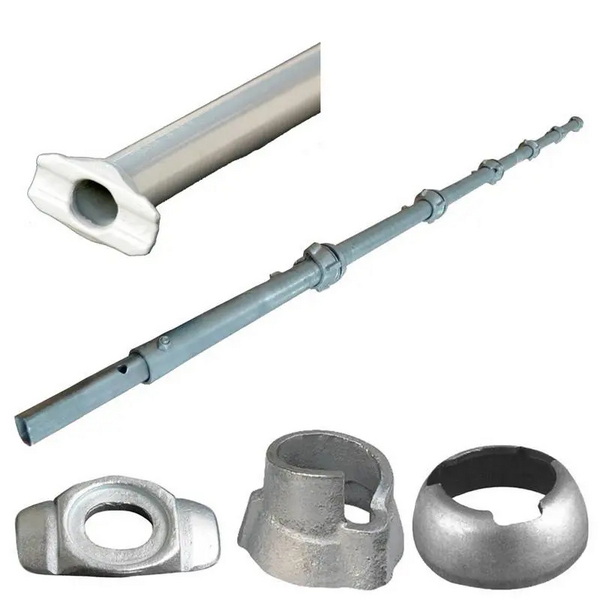
1. Standards: These are the vertical components of the scaffolding system. They are typically made from steel pipes with a diameter of 48.3mm and a thickness of 3.2mm. The standards have spigots that can be either moving or unmoved, and they come in various lengths ranging from 500mm to 3000mm.
2. Ledgers: These are the horizontal components that connect the standards. Like the standards, ledgers are also made from steel pipes with a diameter of 48.3mm and a thickness of 3.2mm. They are available in lengths of 900mm, 1200mm, 1800mm, and 3000mm.
3. Braces: These provide additional stability to the scaffolding structure. Braces are typically made from steel pipes with a diameter of 48.3mm and a thickness of 2.5mm. They can be connected using either blades or couplers.
4. Planks: These are the platforms on which workers stand. Cuplock scaffolding planks are often made from pre-galvanized steel with welding hooks at both ends for secure attachment to the ledgers.
Material Name Used in Cuplock Scaffolding
The primary material used in cuplock scaffolding is Q355 steel for the pipes. This steel grade is known for its high yield and tensile strength, making it suitable for bearing heavy loads in construction and shoring applications. The pipes are typically treated with hot dip galvanization to enhance durability and resistance to corrosion. Some components may also be painted or powder-coated for additional protection.
Importance of Material Selection
The choice of material is critical for ensuring the safety and reliability of the scaffolding system. High-quality steel ensures that the scaffolding can withstand various environmental conditions and heavy loads without compromising structural integrity.
Assembly and Installation of Cuplock Scaffolding
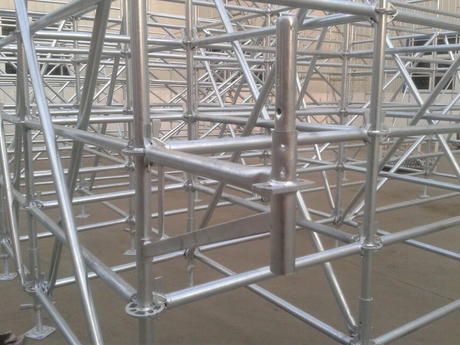
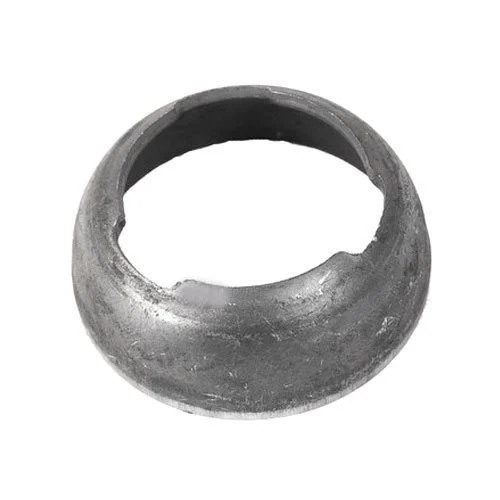
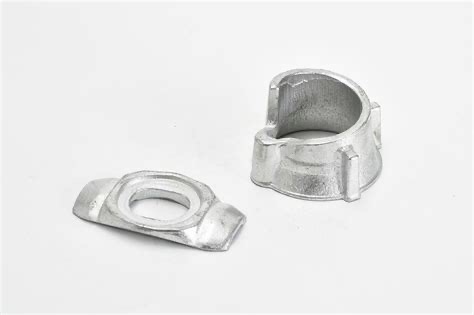
The assembly of cuplock scaffolding is relatively straightforward due to its modular design. The system uses a "cup" and "blade" mechanism to lock the vertical and horizontal components together. This is achieved by rotating the top cup to secure the ledger blade in place, providing a stable and rigid structure.
Applications of Cuplock Scaffolding
Cuplock scaffolding is versatile and can be used in a variety of construction applications, including:
- Facade Scaffolding: For exterior work on buildings.
- Formwork Support: To support concrete forms during construction.
- Birdcages: Large, enclosed scaffolding structures for complex projects.
- Maintenance Access: For routine maintenance and repairs.
- Stair Access: Providing safe access to different levels of a structure.
- Mobile Scaffolding: For projects requiring frequent relocation of the scaffolding.
Cuplock Scaffolding in Facade Work
1. Easy Assembly and Disassembly: The modular design makes it quick to set up and dismantle.
2. High Safety Margins: The locking mechanism ensures a stable structure.
3. Versatility: Can be adapted for various construction needs.
4. Durability: Materials are resistant to corrosion and wear.
Safety Considerations
Safety is paramount when using cuplock scaffolding. It is essential to follow all safety guidelines, including:
- Regular Inspections: Ensure all components are secure and in good condition.
- Proper Training: Ensure workers are trained in assembly and disassembly procedures.
- Load Capacity: Never exceed the recommended load capacity.
- Weather Conditions: Avoid use during extreme weather conditions like high winds or heavy rain.
Maintenance and Storage
Proper maintenance and storage of cuplock scaffolding components are crucial for extending their lifespan. This includes:
- Cleaning: Regularly clean components to prevent dirt buildup.
- Storage: Store components in a dry area to prevent rust.
- Inspection: Regularly inspect components for damage or wear.
Proper Storage of Cuplock Components
Cuplock scaffolding is generally environmentally friendly due to its reusability and durability. However, it is important to ensure that all components are properly recycled at the end of their life cycle to minimize waste.
Economic Benefits
The use of cuplock scaffolding can provide significant economic benefits, including reduced labor costs due to easy assembly and disassembly, and extended component lifespan due to durable materials.
Conclusion
Cuplock scaffolding is a reliable and efficient system used in construction due to its modular design and durable materials. The primary material used is Q355 steel, which provides high strength and durability. The system's ease of assembly and versatility make it a preferred choice for various construction projects.
FAQ
1. What is the primary material used in cuplock scaffolding?
The primary material used in cuplock scaffolding is Q355 steel, which is known for its high yield and tensile strength.
2. How does the cuplock scaffolding system ensure stability?
The cuplock system ensures stability through its unique "cup" and "blade" locking mechanism, which securely connects the vertical and horizontal components.
3. What are the common applications of cuplock scaffolding?
Cuplock scaffolding is commonly used for facade scaffolding, formwork support, birdcages, maintenance access, stair access, and mobile scaffolding.
4. What surface treatments are used for cuplock scaffolding components?
Components are typically treated with hot dip galvanization for corrosion resistance. Some components may also be painted or powder-coated.
5. What are the advantages of using cuplock scaffolding?
Advantages include easy assembly and disassembly, high safety margins, versatility, and durability.
Citations:
[1] https://www.durascf.com/cuplock-scaffolding-system/
[2] https://www.youtube.com/watch?v=wBKilb9ALEY
[3] https://patents.google.com/patent/CN1160385A/zh
[4] https://www.wm-scaffold.com/cup-lock-scaffold.html
[5] https://www.youtube.com/watch?v=fnJw0xLZE5s
[6] https://patents.google.com/patent/CN112770981A/zh
[7] http://www.diamondscaffoldings.com/cuplock-scaffolding-systems-161410.html
[8] https://www.youtube.com/watch?v=l7SdKkdbeU4
[9] https://www.bbc.com/learningenglish/chinese/features/take-away-english/ep-241118
[10] https://www.alibaba.com/showroom/cuplock-scaffolding-parts-name.html