Content Menu
● Understanding Rolling Tower Scaffolds
● Key Features of Rolling Tower Scaffolds
● Maximum Height Limits for Rolling Tower Scaffolds
>> OSHA Height-to-Base Width Ratio
>> Jurisdictional Variations
>> Manufacturer Recommendations
● Factors Affecting the Maximum Height of Rolling Tower Scaffolds
>> 1. Base Width and Stability
>> 2. Use of Outriggers and Tie-Ins
>> 3. Ground Conditions
>> 4. Load Capacity and Duty Ratings
>> 5. Environmental Factors
● Practical Guidelines for Safe Use of Rolling Tower Scaffolds
>> Assembly and Inspection
>> Movement Restrictions
>> Load Management
>> Personal Protective Equipment (PPE)
● Environmental and Site Considerations
>> Wind and Weather
>> Ground Surface
>> Overhead Hazards
● Conclusion
● FAQ
>> 1. What is the maximum height for a rolling tower scaffold?
>> 2. Can rolling scaffolds be moved while workers are on them?
>> 3. What safety features are mandatory on rolling tower scaffolds?
>> 4. How do outriggers affect scaffold height?
>> 5. What environmental factors affect the maximum height of rolling scaffolds?
Rolling tower scaffolds, also known as rolling scaffolds or mobile scaffolds, are widely used in construction, maintenance, and industrial work where elevated access is required. Their mobility and ease of assembly make them popular choices for jobs that demand frequent repositioning. However, understanding the maximum safe height for these scaffolds is crucial to ensure worker safety and regulatory compliance. This article provides an in depth look at the maximum height of rolling tower scaffolds, the factors influencing height limits, safety regulations, and best practices.
Understanding Rolling Tower Scaffolds
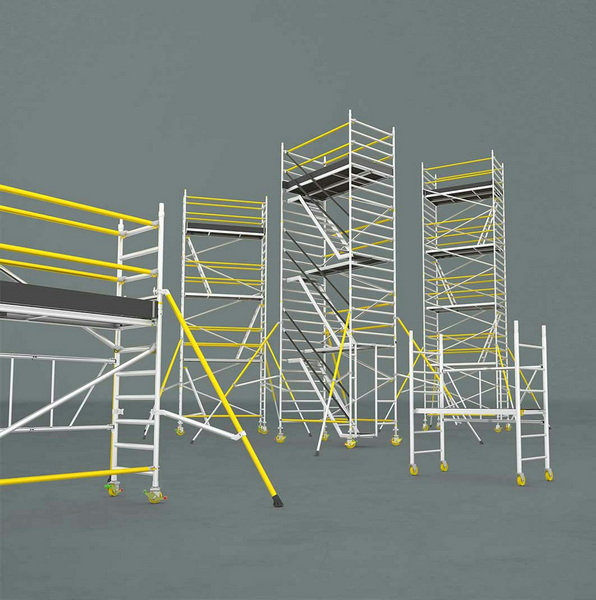
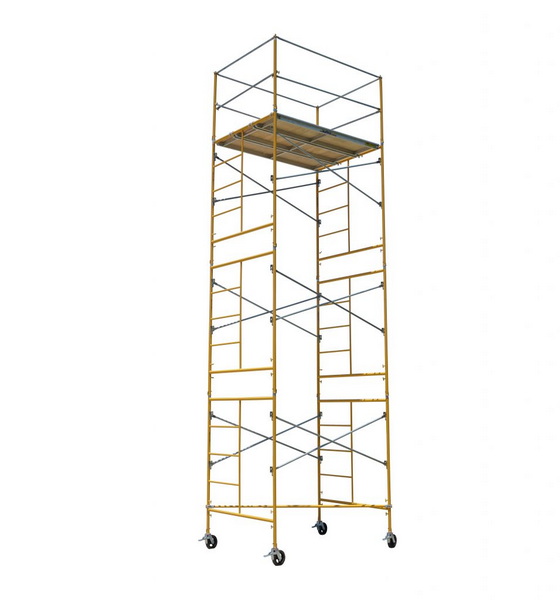
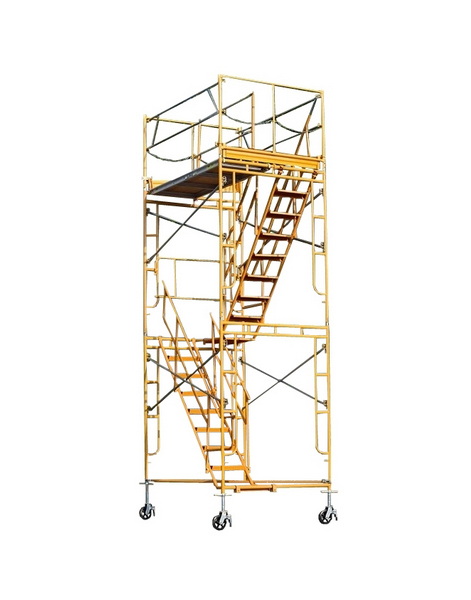
Rolling tower scaffolds are freestanding scaffold structures mounted on lockable wheels or casters, allowing easy movement across job sites. They typically consist of modular frames, platforms, guardrails, and stabilizing components such as outriggers.
Key Features of Rolling Tower Scaffolds
- Mobility: Equipped with swivel casters with locking mechanisms to prevent unintended movement during use.
- Modularity: Can be assembled in various heights and widths depending on the task.
- Safety Components: Guardrails, toe boards, and internal ladders for safe access.
- Stability Enhancements: Outriggers and tie-ins to increase base width and prevent tipping.
Rolling tower scaffolds provide an efficient solution for tasks such as painting, electrical work, ceiling installation, and general maintenance. Their modular nature means they can be customized to suit different height and workspace requirements.
Maximum Height Limits for Rolling Tower Scaffolds
OSHA Height-to-Base Width Ratio
The Occupational Safety and Health Administration (OSHA) sets critical standards for scaffold safety, including height restrictions based on the scaffold's base width. OSHA mandates that the maximum height of a freestanding rolling scaffold should not exceed four times the narrowest base dimension without additional restraints such as outriggers or tie-ins.
For example:
| Scaffold Base Width | Maximum Scaffold Height (Without Outriggers) |
| 26 inches (4-foot model) | 8.668 feet |
| 29 inches (6-foot model) | 9.668 feet |
| 40 inches (7-foot model) | 13.332 feet |
Adding outriggers significantly increases the base width, allowing for taller scaffolds:
| Scaffold Base Width with Outriggers | Maximum Scaffold Height (With Outriggers) |
| 4 feet (4-foot model) | 16 feet |
| 6 feet (6-foot model) | 24 feet |
| 7 feet (7-foot model) | 28 feet |
These heights include the entire scaffold structure—vertical posts, guardrails, and casters.
Jurisdictional Variations
Some regions, such as California, require the base dimension to be at least one-third the scaffold height unless the scaffold is securely guyed or tied. This is a slightly more conservative approach than OSHA's 4:1 ratio.
Manufacturer Recommendations
Many scaffold manufacturers recommend maintaining a height-to-base ratio of 3:1 for enhanced safety, especially when outriggers are not used. For example, the S600 Rolling Tower Scaffold has a base width of 29 inches and a maximum recommended platform height of 71 inches (approximately 6 feet), which aligns with the 3:1 ratio recommendation.
Factors Affecting the Maximum Height of Rolling Tower Scaffolds
1. Base Width and Stability
The base width is the most critical factor determining maximum scaffold height. A narrow base increases the risk of tipping, especially when the scaffold is moved or subjected to lateral forces such as wind or worker movement.
2. Use of Outriggers and Tie-Ins
Outriggers extend the scaffold's footprint, enhancing stability and allowing taller scaffold heights. Tie-ins or guying the scaffold to a permanent structure also improve stability and permit higher working platforms.
3. Ground Conditions
Scaffolds must be erected on firm, level ground capable of supporting the combined weight of the scaffold and its load. Uneven or soft ground increases the risk of tipping. Adjustable screw jacks and base plates help stabilize scaffolds on uneven surfaces.
4. Load Capacity and Duty Ratings
Load capacity influences scaffold stability. Overloading the platform with workers, tools, or materials can cause structural failure or tipping. Scaffolds are rated as light, medium, or heavy duty, with corresponding maximum load limits.
5. Environmental Factors
Wind speed and weather conditions affect scaffold safety. Rolling scaffolds should not be used outdoors in high winds (generally above 28 mph). Rain, ice, or slippery surfaces increase fall risks and reduce scaffold stability.
Practical Guidelines for Safe Use of Rolling Tower Scaffolds
Assembly and Inspection
- Firm, Level Ground: Always erect scaffolds on stable, level surfaces. Use base plates or adjustable legs to compensate for uneven terrain.
- Secure Components: Ensure all locking pins, braces, and guardrails are properly installed and secure.
- Internal Access: Use internal ladders or stairways for safe climbing. Do not climb on cross braces or frames.
- Platform Setup: Platforms must be fully planked with no gaps and equipped with guardrails and toe boards.
- Lock Casters: Lock all wheels before use to prevent unwanted movement.
- Regular Inspections: Conduct inspections before each use and after any movement or modification.
Movement Restrictions
- Do not move rolling scaffolds with workers on them unless the scaffold is specifically designed and tested for such use.
- Move scaffolds carefully on smooth, flat surfaces to prevent tipping.
- Always unlock wheels before moving and lock them immediately after repositioning.
Load Management
- Adhere strictly to the scaffold's duty rating.
- Distribute loads evenly across the platform.
- Avoid stacking materials excessively or leaning heavy equipment on guardrails.
Personal Protective Equipment (PPE)
- Wear hard hats, non-slip footwear, and fall protection harnesses when necessary.
- Use tool lanyards to prevent dropped objects.
Environmental and Site Considerations
Wind and Weather
Wind is one of the most significant hazards for rolling tower scaffolds. High winds can cause tipping or loss of control during movement. It is recommended that scaffolds not be used outdoors when wind speeds exceed 28 mph (12.5 m/s).
Rain and ice create slippery conditions on platforms and ladders, increasing fall risk. Use anti-slip mats or coatings on platforms and avoid scaffold use in adverse weather when possible.
Ground Surface
Soft or uneven ground compromises scaffold stability. Use mud sills or base plates to distribute weight and maintain a level base. Avoid erecting scaffolds on loose gravel, sand, or unstable soil.
Overhead Hazards
Maintain clearance from overhead power lines, tree branches, or building projections. Contact with electrical lines can cause electrocution, and overhead obstructions can cause falls or scaffold damage.
Conclusion
The maximum height of a rolling tower scaffold is primarily governed by the scaffold's base width and the use of stability-enhancing features such as outriggers and tie-ins. OSHA's 4:1 height-to-base width ratio is the standard guideline, with many manufacturers recommending a more conservative 3:1 ratio for enhanced safety. Additional factors such as ground conditions, load capacity, and environmental influences must also be considered. Adhering to safety regulations, using guardrails and locking casters, and ensuring proper training are essential to prevent accidents and maintain a safe working environment when using rolling tower scaffolds.By considering environmental conditions, platform size, and ensuring proper training, workers can maximize safety and efficiency when using rolling tower scaffolds.
FAQ
1. What is the maximum height for a rolling tower scaffold?
The maximum height is generally limited to four times the narrowest base width without outriggers, per OSHA regulations. With outriggers, this height can be extended significantly, often doubling the allowable height.
2. Can rolling scaffolds be moved while workers are on them?
Moving rolling scaffolds with workers on them is generally prohibited unless the scaffold is specifically designed and tested for such use, meeting stricter stability requirements.
3. What safety features are mandatory on rolling tower scaffolds?
Guardrails on platforms over 10 feet, toe boards, locked casters, internal ladders for access, and outriggers or tie-ins for taller scaffolds are mandatory safety features.
4. How do outriggers affect scaffold height?
Outriggers increase the effective base width, allowing for taller scaffold heights by improving stability and reducing the risk of tipping.
5. What environmental factors affect the maximum height of rolling scaffolds?
Wind speed, ground firmness, surface levelness, and weather conditions such as rain or ice can limit the safe maximum height and use of rolling scaffolds.