Content Menu
● Understanding Scaffolding Tube Clamps and Their Importance
● Types of Scaffolding Tube Clamps
>> 1. Right Angle (Double) Couplers
>> 2. Swivel Couplers
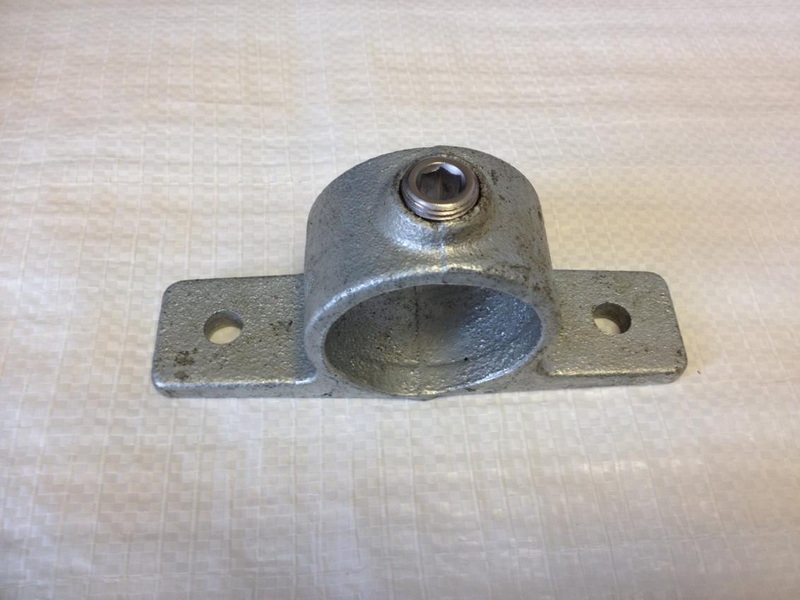
>> 3. Putlog Couplers
>> 4. Sleeve Couplers
>> 5. Beam or Girder Clamps
>> 6. Base Plates and Accessories
● Materials and Coatings
>> Drop Forged Steel
>> Pressed Steel
>> Aluminum Clamps
>> Coatings
● Compatibility: Matching Clamps with Tubes
● Standards and Certification
● Key Features to Look for When Buying Scaffolding Tube Clamps
>> 1. Strength and Load Capacity
>> 2. Ease of Use
>> 3. Corrosion Resistance
>> 4. Replaceable Parts
>> 5. Manufacturer Reputation and Warranty
● Practical Tips for Buying Scaffolding Tube Clamps
● Maintenance and Inspection of Scaffolding Tube Clamps
● Additional Considerations When Buying Scaffolding Tube Clamps
>> Environmental Conditions
>> Weight and Handling
>> Compatibility with Accessories
>> Cost vs. Quality Balance
● Conclusion
● FAQ
>> 1. What types of scaffolding tube clamps should I buy for general construction?
>> 2. Are galvanized clamps better than zinc-plated ones?
>> 3. Can I use the same clamps for steel and aluminum tubes?
>> 4. How do I know if scaffolding tube clamps meet safety standards?
>> 5. How often should scaffolding tube clamps be inspected?
When it comes to erecting safe, reliable, and versatile scaffolding systems, buy scaffolding tube clamps is a crucial step. The clamps are the connectors that hold scaffolding tubes together, ensuring structural integrity and flexibility on any job site. Choosing the right scaffolding tube clamps can affect not only the safety and durability of the scaffolding but also the ease of assembly and adaptability to different project requirements.This detailed guide covers everything you need to know when buying scaffolding tube clamps, including types, materials, compatibility, standards, and practical tips.
Understanding Scaffolding Tube Clamps and Their Importance
Scaffolding tube clamps, also known as couplers, are mechanical devices used to connect scaffolding tubes securely. They come in various types designed for different connection angles and load requirements. The right clamps ensure:
- Structural safety: Proper load distribution and secure connections prevent accidents.
- Flexibility: Ability to connect tubes at different angles for complex scaffolding shapes.
- Durability: Resistance to corrosion and wear extends the life of scaffolding.
- Compliance: Meeting industry standards like BS1139 or EN74 ensures legal and safety compliance.
Types of Scaffolding Tube Clamps
Understanding the types of clamps is essential when you decide to buy scaffolding tube clamps. Here are the most common types:
1. Right Angle (Double) Couplers
- Connect two tubes at 90 degrees.
- Used for standard vertical and horizontal connections.
- Usually drop forged for strength.
- Compatible with tubes of 1.69" or 1.90" outer diameter (OD).
2. Swivel Couplers
- Allow connections at any angle.
- Provide flexibility for complex scaffolding shapes.
- Essential for bracing and irregular scaffolding configurations.
3. Putlog Couplers
- Connect a tube to a ledger or transom.
- Often used to support scaffold boards.
4. Sleeve Couplers
- Join two tubes end-to-end.
- Used to extend tube length securely.
5. Beam or Girder Clamps
- Attach scaffolding tubes to steel beams or other structural elements.
- Provide a secure connection without drilling or welding.
6. Base Plates and Accessories
- Though not clamps, base plates provide footing stability.
- Ladder brackets and board retaining clamps enhance scaffolding safety and usability.
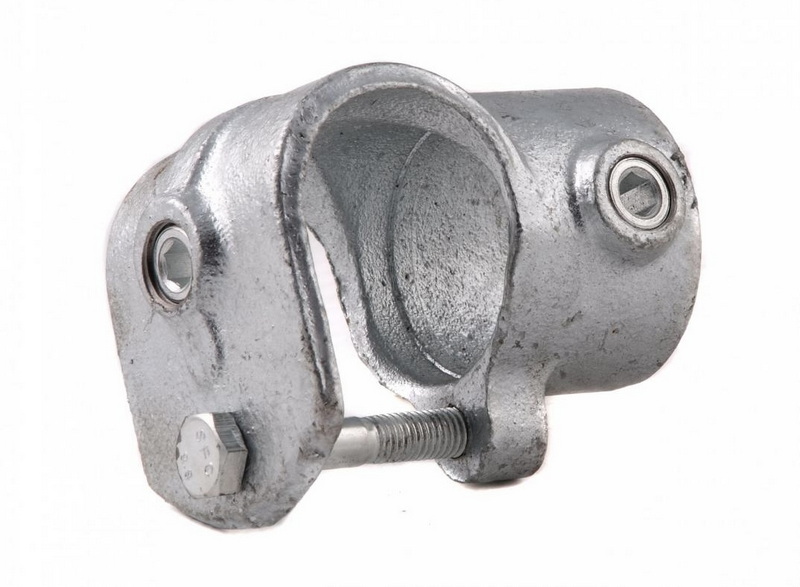
Materials and Coatings
The material and surface treatment of scaffolding tube clamps significantly impact their durability and performance.
Drop Forged Steel
- Most common and preferred for heavy-duty use.
- High strength and toughness.
- Usually hot-dip galvanized for corrosion resistance.
Pressed Steel
- Lighter and less expensive.
- Suitable for light to medium duty scaffolding.
- Often zinc-plated for rust protection.
Aluminum Clamps
- Lightweight and corrosion-resistant.
- Used in specialized scaffolding systems.
- Not as strong as steel clamps; suitable for lighter loads.
Coatings
- Hot-dip galvanizing is the best for outdoor use, providing long-lasting rust protection.
- Zinc plating offers moderate corrosion resistance, suitable for indoor or short-term use.
- Painted or powder-coated clamps provide additional protection and aesthetics but may wear off.
Compatibility: Matching Clamps with Tubes
When you buy scaffolding tube clamps, ensure they are compatible with the scaffolding tubes you use. Key considerations include:
- Tube Outer Diameter (OD): Most clamps fit tubes with OD 48.3 mm (1.90") or 42.7 mm (1.69"). Some clamps are adjustable for both sizes.
- Tube Thickness: Thicker tubes may require heavy-duty clamps.
- Tube Material: Steel tubes are standard; aluminum tubes require compatible clamps.
- Standard Compliance: Clamps should meet BS1139, EN74, or other relevant standards to ensure fit and safety.
Standards and Certification
Clamps must comply with recognized standards for safety and quality:
- BS1139: British Standard for scaffolding tubes and fittings.
- EN74: European standard for couplers and fittings.
- OSHA: US safety regulations.
- Military Specifications: Some clamps meet military specs like MIL-S-29180A for specialized use.
Buying clamps that meet these standards ensures:
- Tested mechanical strength.
- Reliable performance under load.
- Legal compliance on construction sites.
Key Features to Look for When Buying Scaffolding Tube Clamps
1. Strength and Load Capacity
- Check the rated load capacity.
- Drop forged clamps generally offer higher strength.
- Swivel clamps should maintain strength at any angle.
2. Ease of Use
- Clamps with swing-up eye bolts or quick-release mechanisms speed up assembly.
- Lightweight clamps reduce worker fatigue.
3. Corrosion Resistance
- Hot-dip galvanizing is preferred for outdoor use.
- Look for clamps with durable coatings to prevent rust.
4. Replaceable Parts
- Some clamps have replaceable T-bolts and nuts, extending service life.
- This feature reduces long-term costs.
5. Manufacturer Reputation and Warranty
- Buy from reputable suppliers with quality assurance.
- Warranty and after-sales support are important for long-term use.
Practical Tips for Buying Scaffolding Tube Clamps
- Buy in sets: Purchasing complete sets ensures compatibility and reduces assembly issues.
- Inspect before purchase: Check for defects, proper galvanizing, and smooth operation.
- Consider future needs: Buy clamps that can adapt to different scaffolding configurations.
- Budget wisely: Balance cost with quality; cheap clamps may compromise safety.
- Consult experts: If unsure, seek advice from scaffolding professionals or suppliers.
Maintenance and Inspection of Scaffolding Tube Clamps
Even the best clamps require regular maintenance:
- Routine inspection for cracks, corrosion, and wear.
- Lubricate moving parts to prevent seizing.
- Replace damaged clamps immediately to avoid accidents.
- Store clamps properly in dry, ventilated areas to prevent rust.
Additional Considerations When Buying Scaffolding Tube Clamps
Environmental Conditions
If your scaffolding will be exposed to harsh environments such as coastal areas with salty air or industrial sites with chemical exposure, prioritize clamps with superior corrosion resistance like hot-dip galvanized or stainless steel varieties.
Weight and Handling
For projects requiring frequent assembly and disassembly, lightweight clamps can reduce worker fatigue and improve productivity. However, ensure that lighter clamps still meet the necessary load and safety requirements.
Compatibility with Accessories
Some scaffolding systems require clamps compatible with specific accessories such as ladder brackets, guardrails, or toe boards. When you buy scaffolding tube clamps, verify compatibility to avoid costly mismatches.
Cost vs. Quality Balance
While it might be tempting to opt for the cheapest clamps, investing in high-quality clamps reduces the risk of failure, accidents, and downtime. Consider total cost of ownership, including maintenance and replacement costs.
Conclusion
When you decide to buy scaffolding tube clamps, understanding the types, materials, compatibility, and standards is essential to ensure safety and efficiency on your job site. The right clamps provide secure, adaptable connections that withstand heavy loads and harsh environments. Prioritize quality, certified products with corrosion-resistant coatings and ease of use. Regular maintenance and inspection will extend the life of your clamps and keep your scaffolding safe.
Investing in the right scaffolding tube clamps not only protects workers but also improves productivity and reduces downtime. Make informed choices by consulting suppliers, reviewing product specifications, and considering your project's unique needs.
FAQ
1. What types of scaffolding tube clamps should I buy for general construction?
Right angle (double) couplers and swivel couplers are the most commonly used clamps for general construction scaffolding.
2. Are galvanized clamps better than zinc-plated ones?
Yes, hot-dip galvanized clamps offer superior corrosion resistance, especially for outdoor and long-term use.
3. Can I use the same clamps for steel and aluminum tubes?
No, clamps are usually designed for specific tube materials and diameters. Always check compatibility before purchase.
4. How do I know if scaffolding tube clamps meet safety standards?
Look for certifications such as BS1139, EN74, or OSHA compliance marked on the product or provided in documentation.
5. How often should scaffolding tube clamps be inspected?
Clamps should be inspected before each use and regularly during long-term projects to ensure no damage or corrosion affects safety.