Content Menu
● Introduction to Extension Ladder Scaffolding Brackets
● Types and Sizes of Extension Ladder Scaffolding Brackets
>> Bracket Types
>> Common Bracket Sizes
● How to Choose the Right Size Brackets
>> 1. Platform (Plank) Width
>> 2. Ladder Type and Rung Spacing
>> 3. Weight Capacity
>> 4. Adjustability
>> 5. Height and Span
● Setup and Safety Guidelines
>> Step-by-Step Setup
>> Safety Tips
● Advanced Setup Tips for Extension Ladder Scaffolding Brackets
● Detailed Product Comparisons
● Expanded Safety Regulations
● Maintenance and Inspection
● Conclusion
● FAQ
>> 1. What size plank should I use with extension ladder scaffolding brackets?
>> 2. How far apart should my ladders be when using ladder jack scaffolding?
>> 3. Can I use any extension ladder with scaffolding brackets?
>> 4. What is the maximum height for a ladder jack scaffold platform?
>> 5. Are extension ladder scaffolding brackets safe for heavy construction work?
When working at height, safety and efficiency are paramount. Extension ladder scaffolding brackets-commonly known as ladder jacks-are a popular solution for creating temporary work platforms using extension ladders. Selecting the correct size and type of extension ladder scaffolding brackets is crucial for both safety and productivity. This comprehensive guide will walk you through everything you need to know, including bracket sizes, compatibility, setup, advanced tips, maintenance, safety regulations, and frequently asked questions.
Introduction to Extension Ladder Scaffolding Brackets
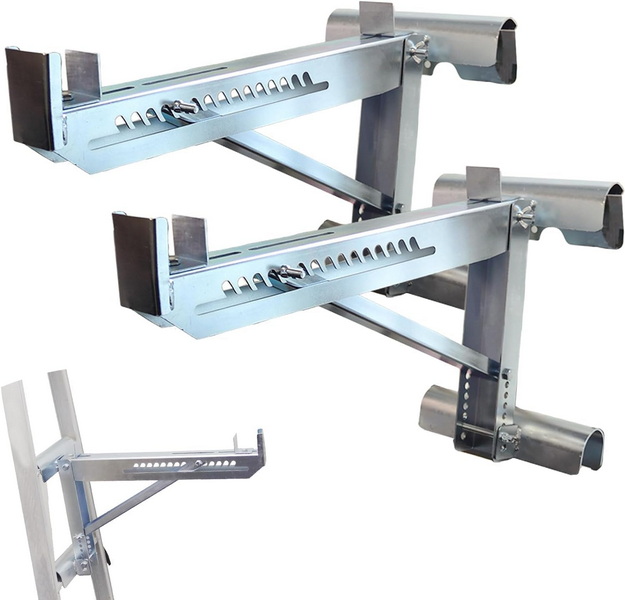
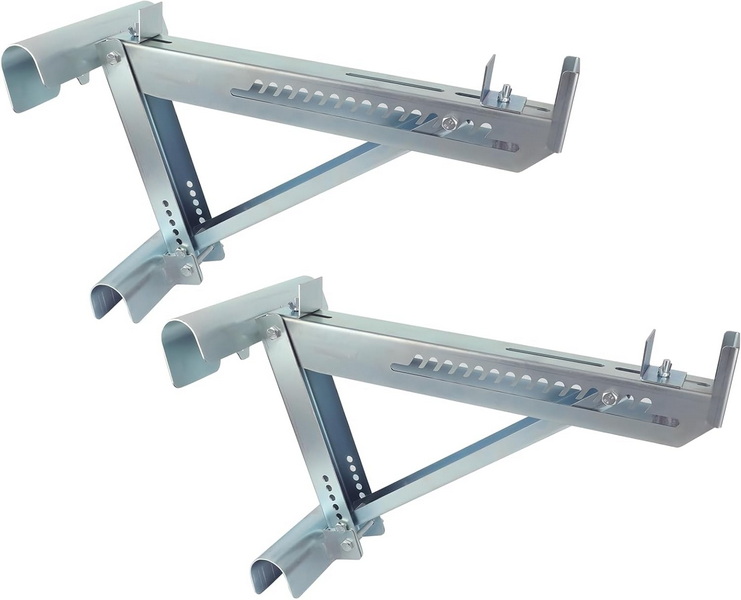
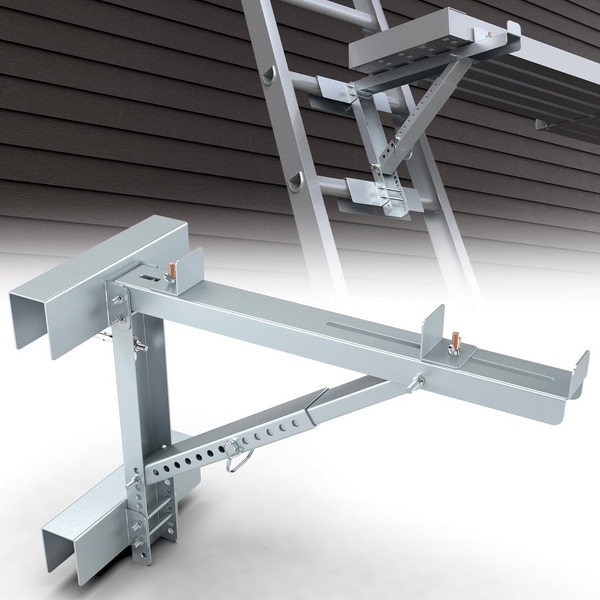
Extension ladder scaffolding brackets, or ladder jacks, are triangular metal devices that attach to extension ladders, supporting a work platform (plank) between two ladders. This setup is widely used for painting, siding, window installation, and other light construction tasks because it is portable, cost-effective, and easy to assemble.
There are two primary types of ladder jacks:
- Side Rail Ladder Jacks: Attach to the side rails and rungs of the ladder.
- Two- or Three-Rung Ladder Jacks: Hook directly onto two or three rungs of the ladder.
Types and Sizes of Extension Ladder Scaffolding Brackets
Bracket Types
| Type | Attachment Method | Common Use Cases |
| Side Rail Ladder Jacks | Side rails and rungs | General construction, painting |
| 2- or 3-Rung Jacks | Hook onto two or three rungs | Lightweight, quick setup |
Common Bracket Sizes
Ladder jack brackets are typically sized to accommodate standard plank widths and ladder rung spacing. The most common sizes include:
- For Planks up to 18" Wide: Many 3-rung aluminum ladder jacks are designed to support planks up to 18 inches wide.
- Adjustable Brackets: Some models are adjustable to fit different plank widths and rung spacings, such as 21.75" x 10" x 29" adjustable aluminum ladder jacks.
Key Sizing Considerations:
- Plank Width: Ensure the brackets are rated for the width of your platform (commonly 12", 14", or 18").
- Ladder Compatibility: Brackets must fit the rung spacing and side rail dimensions of your extension ladder.
- Weight Rating: Always use brackets rated for at least 300 lbs (Type IA ladders are recommended).
- Maximum Span: The distance between ladders should not exceed 2.4 meters (approx. 8 feet) for safety.
How to Choose the Right Size Brackets
Selecting the correct size extension ladder scaffolding brackets depends on several factors:
1. Platform (Plank) Width
- Measure your platform: Most brackets are designed for 12" to 18" wide planks. Check the manufacturer's specifications to confirm compatibility.
- Example: Metaltech 3-Rung Ladder Jacks support planks up to 18" wide.
2. Ladder Type and Rung Spacing
- Check your ladder: Extension ladders have specific rung spacing (usually 12" apart). Ensure your brackets are compatible with your ladder's design.
- Bracket fit: Two- or three-rung jacks must securely hook onto the rungs without excessive play.
3. Weight Capacity
- Load rating: Brackets should match or exceed the ladder's load rating (typically 250–300 lbs for professional use).
- Usage: Never exceed the manufacturer's specified weight limit, including the worker, tools, and materials.
4. Adjustability
- Adjustable brackets: Some models allow you to adjust for different plank widths and rung spacings, offering more flexibility for various tasks.
5. Height and Span
- Height restrictions: Do not set up a working platform where a person could fall more than 2 meters (approx. 6.5 feet) without proper fall protection.
- Maximum span: The horizontal distance between ladder brackets should be 2.4 meters (8 feet) or less.
Setup and Safety Guidelines
Proper setup and adherence to safety guidelines are essential when using extension ladder scaffolding brackets.
Step-by-Step Setup
1. Inspect Equipment: Check ladders, brackets, and planks for damage or wear. Do not use defective parts.
2. Position Ladders: Place ladders on a stable, level surface at a 4:1 angle (1 foot out for every 4 feet up).
3. Attach Brackets: Secure ladder jacks to the side rails or rungs as per the manufacturer's instructions.
4. Install Platform: Place the plank onto the brackets, ensuring it is centered and locked in place.
5. Secure Ladders: Anchor ladders at the top or bottom to prevent movement.
6. Check Level: Adjust brackets to ensure the platform is parallel to the ground.
7. Test Stability: Gently test the setup before climbing onto the platform.
Safety Tips
- Only one person per bay: Never exceed the load capacity or allow more than one person on a single platform bay.
- Clear the area: Keep the area around the ladder base free of obstructions to prevent slips and trips.
- Avoid electrical hazards: Maintain safe distances from power lines and energized equipment.
- No material stacking: Do not stack materials on the platform.
- Use proper PPE: Wear appropriate fall protection if working above 2 meters.
Advanced Setup Tips for Extension Ladder Scaffolding Brackets
When working with extension ladder scaffolding brackets, several advanced tips can help improve safety and efficiency:
- Use Ladder Levelers: If working on uneven ground, ladder levelers can help stabilize the ladders and ensure the platform remains level.
- Double Check Bracket Tightness: Periodically check that the brackets remain tightly secured during use, especially if the platform is used for extended periods.
- Use Non-Slip Planks: Opt for planks with non-slip surfaces or add anti-slip tape to reduce the risk of slipping.
- Avoid Overreaching: Always keep your body centered on the platform to maintain balance and prevent falls.
- Use Guardrails: For added safety, especially at higher elevations, consider installing temporary guardrails on the platform.
Detailed Product Comparisons
Here are some popular extension ladder scaffolding brackets and their features:
| Product Name | Plank Width Compatibility | Weight Capacity | Material | Adjustability | Price Range |
| Metaltech 3-Rung Ladder Jacks | Up to 18" | 300 lbs | Aluminum | Fixed | $50 - $70 |
| Werner Adjustable Ladder Jacks | 12" to 18" | 250 lbs | Steel | Adjustable | $60 - $90 |
| Louisville Ladder Jacks | Up to 16" | 300 lbs | Aluminum | Fixed | $55 - $75 |
When choosing extension ladder scaffolding brackets, compare not only price but also compatibility with your ladders and planks, adjustability, and weight rating. Aluminum brackets are lighter and corrosion-resistant, while steel brackets offer extra durability but are heavier.
Expanded Safety Regulations
According to OSHA standards, ladder jack scaffolds must comply with the following:
- Platforms must be fully planked or decked.
- Ladder jacks must be secured to prevent movement.
- The scaffold must be capable of supporting its own weight and at least four times the maximum intended load.
- Workers must use fall protection when working above 10 feet.
Following these regulations helps ensure a safe work environment and reduces the risk of accidents or injuries. Always consult the latest OSHA guidelines and local regulations before setting up any ladder jack scaffold.
Maintenance and Inspection
Regular maintenance and inspection of extension ladder scaffolding brackets are crucial:
- Inspect brackets for cracks, bends, or corrosion before each use.
- Clean brackets and planks to remove dirt and debris that could cause slippage or instability.
- Store brackets in a dry place to prevent rust and corrosion, especially if they are made from steel.
- Replace any damaged components immediately to ensure ongoing safety and compliance.
Conclusion
Choosing the right size extension ladder scaffolding brackets is essential for both safety and efficiency. Consider the width of your platform, the type and spacing of your ladder rungs, and the weight capacity required for your tasks. Always follow manufacturer guidelines and OSHA safety standards when setting up and using ladder jack scaffolding. Proper selection, setup, and use of extension ladder scaffolding brackets can make your work at height safer, faster, and more comfortable. Regular maintenance, inspection, and adherence to advanced safety practices further ensure a secure and productive work environment.
FAQ
1. What size plank should I use with extension ladder scaffolding brackets?
Most extension ladder scaffolding brackets are designed to support planks up to 18 inches wide. Always check the manufacturer's specifications and ensure the plank is a genuine scaffold plank in good condition.
2. How far apart should my ladders be when using ladder jack scaffolding?
The horizontal distance between ladders (and thus the brackets) should not exceed 2.4 meters (approximately 8 feet) to maintain platform stability and safety.
3. Can I use any extension ladder with scaffolding brackets?
Only industrial-grade single or extension ladders should be used. The ladder must be firmly footed on a hard, level surface and secured against movement in any direction. Ensure the brackets are compatible with your ladder's rung spacing and side rail dimensions.
4. What is the maximum height for a ladder jack scaffold platform?
Working platforms should not be set at a height where a person could fall more than 2 meters (about 6.5 feet) without proper fall protection. Additional safety measures or guardrails may be required for higher setups.
5. Are extension ladder scaffolding brackets safe for heavy construction work?
Ladder jack scaffolding is intended for light-duty tasks such as painting or siding. They are not recommended for heavy construction or situations where significant weight or materials are involved. Always adhere to the load rating and never exceed the manufacturer's recommendations.