Content Menu
● Introduction to Cuplock Scaffolding Boards
● Key Material Choices for Cuplock Scaffolding Boards
>> 1. Steel Boards
>> 2. Timber Boards
>> 3. Composite Boards
● Essential Features of Quality Cuplock Scaffolding Boards
>> 1. High Load-Bearing Capacity
>> 2. Slip Resistance
>> 3. Dimensional Accuracy and Fit
>> 4. Corrosion Resistance
>> 5. Lightweight and Easy Handling
>> 6. Secure Placement and Stability
● Safety Standards and Compliance
>> 1. International Standards
>> 2. Load Testing and Certification
>> 3. Visual and Structural Inspection
>> 4. Compatibility with Cuplock Systems
● Durability and Maintenance
>> 1. Galvanized Steel for Longevity
>> 2. Timber Board Care
>> 3. Cleaning and Storage
● Advanced Considerations: Customization, Sustainability, and Supplier Selection
>> 1. Customization Options
>> 2. Sustainability and Environmental Impact
>> 3. Choosing a Reliable Supplier
● Conclusion
● FAQ
>> 1. What materials are best for cuplock scaffolding boards?
>> 2. How do I know if a cuplock scaffolding board is safe to use?
>> 3. What is the standard size for cuplock scaffolding boards?
>> 4. How can I maintain the longevity of steel cuplock scaffolding boards?
>> 5. Why is slip resistance important for cuplock scaffolding boards?
Cuplock scaffolding systems are renowned for their strength, efficiency, and adaptability in construction projects worldwide. At the heart of every safe and productive cuplock scaffold lies the scaffolding board—the platform that supports workers and materials at height. Selecting high quality cuplock scaffolding boards is critical not only for safety but also for durability, cost-effectiveness, and compliance with international standards.
Introduction to Cuplock Scaffolding Boards
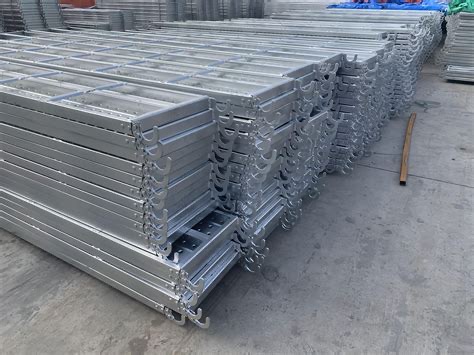
Cuplock scaffolding is a modular system, prized for its quick assembly, high load bearing capacity, and versatility. The boards, also called planks or platforms, are the surfaces placed atop ledgers and transoms, providing a stable area for workers and materials. The quality of these boards is crucial: a failure can lead to accidents, project delays, or costly repairs.
Key Material Choices for Cuplock Scaffolding Boards
1. Steel Boards
Steel is the most popular material for cuplock scaffolding boards, especially in commercial and industrial projects. Key advantages include:
- Strength: Steel boards can support heavy loads and resist bending or breaking under pressure.
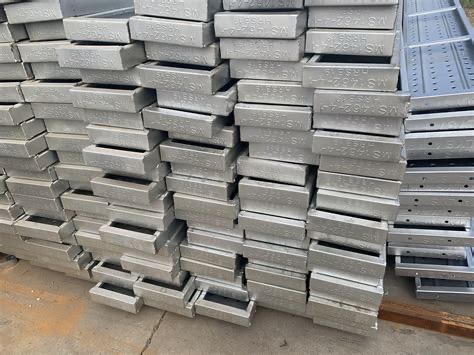
- Durability: Hot-dip galvanized or powder-coated finishes protect against corrosion, extending lifespan beyond 10 years.
- Uniformity: Manufactured to strict tolerances, ensuring consistent thickness and fit.
- Low Maintenance: Steel boards are easy to clean and less susceptible to environmental damage than timber.
2. Timber Boards
While less common in modern cuplock systems, timber boards are sometimes used for their lighter weight and cost-effectiveness. However, they must meet stringent grading requirements:
- Scaffold-grade lumber: Only specially graded wood, free of cracks and defects, should be used.
- Regular inspection: Timber boards require frequent checks for splits, warping, or rot.
- Non-painted: Painted boards are discouraged, as paint can hide defects.
3. Composite Boards
Some projects use composite boards made from engineered materials, combining the advantages of steel and timber. These are less common but may offer benefits in specialized environments, such as chemical plants or offshore sites where corrosion resistance and non-conductivity are priorities.
Essential Features of Quality Cuplock Scaffolding Boards
1. High Load-Bearing Capacity
Quality cuplock scaffolding boards must support the expected loads safely. This includes the weight of workers, tools, and materials, plus a safety margin. Steel boards, especially those conforming to S355 or Q345 standards, are preferred for their superior strength.
2. Slip Resistance
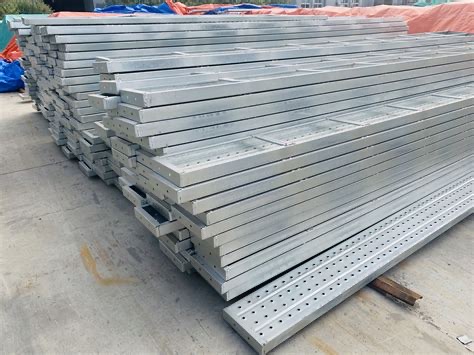
A safe board must have an anti-slip surface, whether through perforations, embossed patterns, or textured coatings. This reduces the risk of falls, especially in wet or dusty conditions. Some steel boards feature raised holes or serrated surfaces for maximum grip.
3. Dimensional Accuracy and Fit
Boards should be manufactured to precise dimensions, ensuring they fit snugly between ledgers and transoms without gaps or wobble. Standard lengths (e.g., 1.3m, 1.8m, 2.5m) and widths (typically 225–250mm) are common for steel cuplock boards. Consistent sizing ensures stability and uniform load distribution across the scaffold.
4. Corrosion Resistance
Hot-dip galvanizing is the gold standard for steel cuplock scaffolding boards, protecting against rust and extending service life even in harsh environments. Powder coating or electro-galvanizing are alternatives, but may not offer the same durability. For timber boards, pressure treatment with preservatives helps resist rot and insect damage.
5. Lightweight and Easy Handling
While steel boards are heavier than timber, modern designs aim to reduce weight without sacrificing strength, making them easier to transport and install. Boards are often designed with hand grips or lifting holes for safer handling. Lightweight boards can improve productivity and reduce the risk of manual handling injuries.
6. Secure Placement and Stability
Boards must rest securely on transoms and ledgers, with features to prevent accidental displacement. Some systems use locking pins or lugs to keep boards in place during use. A secure fit is essential to prevent movement under load or in windy conditions.
Safety Standards and Compliance
1. International Standards
Quality cuplock scaffolding boards should comply with recognized standards such as:
- EN 12811/12810 (Europe): Specifies performance requirements for working and access scaffolds.
- BS 1139 (UK): Covers materials, dimensions, and performance criteria for scaffolding components.
- OSHA (USA): Sets requirements for scaffold plank materials, span, and deflection.
2. Load Testing and Certification
Manufacturers should conduct regular load tests on boards to verify compliance. Always request certificates of conformity and test reports when purchasing cuplock scaffolding boards. Load testing ensures that each batch meets the strength and deflection requirements for safe use.
3. Visual and Structural Inspection
Boards must be free from visible defects (cracks, warping, excessive corrosion, or weld failures). Regular inspections before use are essential for ongoing safety. Damaged or suspect boards should be removed from service immediately.
4. Compatibility with Cuplock Systems
Ensure that the boards are specifically designed for use with cuplock scaffolding. Incompatible boards may not seat properly, creating trip hazards or instability.
Durability and Maintenance
1. Galvanized Steel for Longevity
Hot-dip galvanized steel cuplock scaffolding boards can last over a decade with minimal maintenance, even in coastal or humid environments. Inspect for dents, corrosion, or weld failures periodically. Damaged boards should be repaired or replaced promptly to maintain safety.
2. Timber Board Care
Timber boards require more frequent inspections. Remove boards with visible cracks, splits, or rot. Store boards in dry, ventilated areas to prevent moisture damage. Avoid stacking boards directly on the ground to minimize exposure to dampness.
3. Cleaning and Storage
Keep boards clean and free of debris. Stack steel boards on pallets and cover when not in use to prevent accidental damage and corrosion. Proper storage extends the life of your investment and ensures boards are ready for use when needed.
Advanced Considerations: Customization, Sustainability, and Supplier Selection
1. Customization Options
Some projects require custom-sized boards, special coatings, or branding. Leading manufacturers can accommodate requests for unique dimensions, colors, or company logos. Customization may also include enhanced anti-slip surfaces or integrated safety features.
2. Sustainability and Environmental Impact
As the construction industry moves toward greener practices, consider the environmental impact of your cuplock scaffolding boards:
- Recycled steel: Some manufacturers use recycled materials to reduce environmental footprint.
- Eco-friendly coatings: Low-VOC or water-based coatings are available for steel boards.
- Sustainable timber: If using timber, ensure it is sourced from certified, sustainable forests.
3. Choosing a Reliable Supplier
Selecting the right supplier is as important as choosing the right board. Look for:
- Reputation and experience: Established suppliers are more likely to offer consistent quality.
- Certifications: Ensure the supplier provides documentation for compliance with relevant standards.
- After-sales support: Good suppliers offer technical advice, replacement parts, and maintenance guidance.
- Global logistics: For international projects, choose suppliers with experience in export packaging and shipping.
Conclusion
Selecting quality cuplock scaffolding boards is essential for the safety, efficiency, and cost-effectiveness of any construction project using a cuplock system. Look for boards made from high-strength steel with hot-dip galvanizing, anti-slip surfaces, and precise dimensions. Ensure all boards comply with international standards and undergo regular inspection and maintenance. Don't overlook advanced considerations like customization, sustainability, and supplier reliability. By investing in reliable cuplock scaffolding boards, you protect your workers, streamline your workflow, and extend the lifespan of your scaffolding investment.
FAQ
1. What materials are best for cuplock scaffolding boards?
Steel is the preferred material for cuplock scaffolding boards due to its strength, durability, and resistance to corrosion. Timber can be used but must be scaffold-grade and regularly inspected for defects.
2. How do I know if a cuplock scaffolding board is safe to use?
Check for certification labels (EN 12811, BS 1139, OSHA), inspect for visible damage, and ensure the board fits securely in the scaffold system. Regular load testing and manufacturer certificates provide additional assurance.
3. What is the standard size for cuplock scaffolding boards?
Standard lengths are typically 1.3m, 1.8m, and 2.5m, with widths around 225–250mm. Always verify that the size matches your cuplock system for a secure fit.
4. How can I maintain the longevity of steel cuplock scaffolding boards?
Store boards in a dry, covered area, inspect regularly for corrosion or damage, and clean after each use. Galvanized boards require less maintenance but should still be checked periodically.
5. Why is slip resistance important for cuplock scaffolding boards?
Slip resistance prevents accidents, especially in wet or dusty conditions. Look for boards with perforated, embossed, or textured surfaces to enhance worker safety.