Content Menu
● Introduction to Articulated Ladders
● Key Features of Articulated Ladders
● Applications of Articulated Ladders
● Safety Considerations for Articulated Ladders in Scaffolding Configuration
● OSHA Compliance for Articulated Ladders
● Best Practices for Using Articulated Ladders as Scaffolding
● Advanced Safety Measures
● Case Studies and Real-Life Examples
● Additional Safety Tips for Articulated Ladders
● Legal and Regulatory Framework
● Future Developments in Ladder Safety
● Conclusion
● FAQ
>> 1. What are the primary safety considerations when using an articulated ladder as scaffolding?
>> 2. How often should articulated ladders be inspected when used as scaffolding?
>> 3. What are the key OSHA guidelines for articulated ladders?
>> 4. What training is recommended for users of articulated ladders in scaffolding configurations?
>> 5. What are some common applications of articulated ladders?
● Citations:
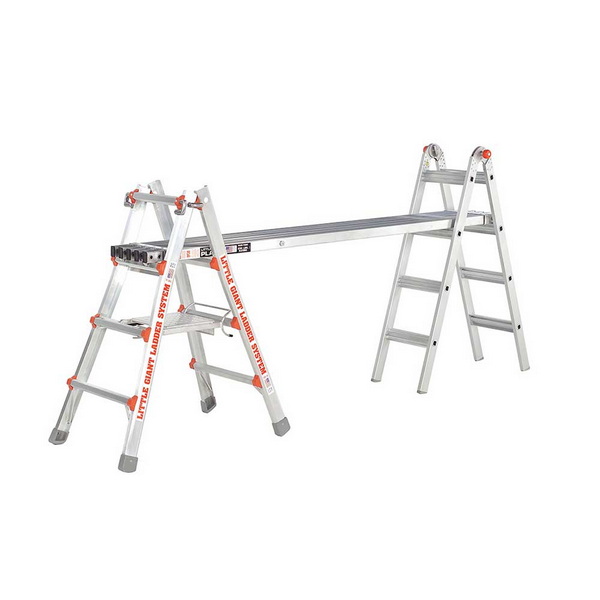
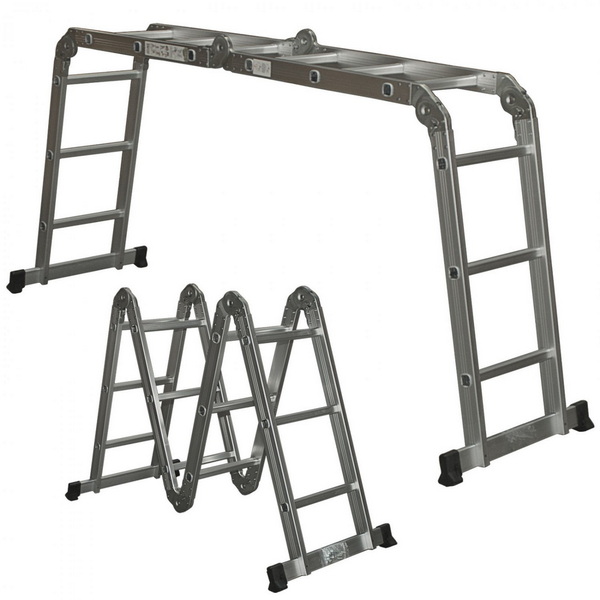
Articulated ladders are versatile tools that can be configured in various ways, including as scaffolding, to meet different needs in construction and maintenance tasks. However, using an articulated ladder in a scaffolding configuration requires careful consideration of safety guidelines to ensure a safe working environment. In this article, we will explore the safety considerations and best practices for using articulated ladders as scaffolding.
Introduction to Articulated Ladders
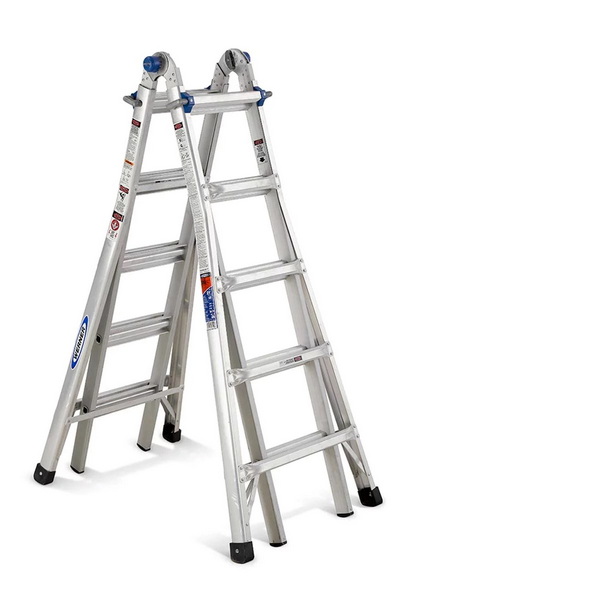
Articulated ladders are designed with special joints that can lock into different positions, allowing them to function as straight ladders, extension ladders, or stepladders. This versatility makes them ideal for various applications, from home improvement projects to professional construction sites.
Key Features of Articulated Ladders
- Versatility: Can be adjusted to multiple positions for different uses.
- Flexibility: Suitable for tight or awkward spaces.
- Safety: Locking mechanisms ensure stability and prevent accidental collapse.
Applications of Articulated Ladders
- Home Improvement Projects: Ideal for tasks requiring access to high areas in tight spaces.
- Professional Construction Sites: Used for tasks that require flexibility and stability.
- Maintenance and Repair Tasks: Suitable for accessing hard-to-reach areas.
Safety Considerations for Articulated Ladders in Scaffolding Configuration
When using an articulated ladder as scaffolding, several safety considerations must be taken into account:
1. Height Limitations: The height of the ladder should not exceed three times the minimum width of the bottom support to ensure stability.
2. Angle of Inclination: The recommended angle of inclination is 75 degrees to provide optimal resistance to sliding and ensure climber balance.
3. Locking Mechanisms: Ensure that all joints are securely locked to prevent accidental shifts during use.
OSHA Compliance for Articulated Ladders
OSHA sets specific standards for ladder safety, including articulated ladders. Key guidelines include:
- Design: Articulated ladders must have secure locking joints to ensure stability in multiple configurations.
- Load Capacity: These ladders must support a minimum of 300 pounds, including the user and materials.
- Inspection: Regularly inspect joints and locks to ensure they are in good working condition.
Best Practices for Using Articulated Ladders as Scaffolding
To ensure safe use, follow these best practices:
1. Proper Setup: Always set up the ladder according to the manufacturer's instructions.
2. Regular Inspections: Inspect the ladder before each use to ensure all parts are in good condition.
3. Training: Ensure users are trained on the correct usage and configuration of articulated ladders.
Advanced Safety Measures
In addition to basic safety practices, consider implementing advanced safety measures:
- Fall Protection Systems: Install fall protection systems like guardrails and netting around scaffolding to prevent falls.
- Safety Nets: Use safety nets under scaffolding to catch workers in case of a fall.
- Regular Maintenance: Regularly maintain equipment to prevent wear and tear.
Case Studies and Real-Life Examples
Real-life examples can illustrate the importance of safety measures:
- Case Study 1: A construction site implemented strict safety protocols for articulated ladders, resulting in a significant reduction in accidents.
- Case Study 2: A company introduced mandatory training for workers using articulated ladders, leading to improved safety awareness and fewer incidents.
Additional Safety Tips for Articulated Ladders
- Environmental Conditions: Avoid using ladders in adverse weather conditions like rain or snow.
- Electrical Safety: Never use aluminum ladders near electrical sources.
- Weight Capacity: Always ensure the total weight (including tools and materials) does not exceed the ladder's capacity.
Legal and Regulatory Framework
- OSHA Standards: Understand and comply with OSHA standards for ladder safety.
- Local Regulations: Familiarize yourself with local safety regulations that may exceed federal standards.
Future Developments in Ladder Safety
- Technological Innovations: Discuss emerging technologies that enhance ladder safety, such as smart ladders with sensors.
- Training Programs: Explore advanced training programs that incorporate virtual reality for immersive safety training.
Conclusion
Using an articulated ladder in a scaffolding configuration requires careful adherence to safety guidelines and regulations. By following best practices and ensuring OSHA compliance, workers can minimize risks and ensure a safe working environment.
FAQ
1. What are the primary safety considerations when using an articulated ladder as scaffolding?
Primary considerations include ensuring the height does not exceed three times the width of the bottom support and maintaining a 75-degree angle of inclination.
2. How often should articulated ladders be inspected when used as scaffolding?
Articulated ladders should be inspected regularly to ensure joints and locks are in good working condition.
3. What are the key OSHA guidelines for articulated ladders?
Key guidelines include secure locking joints, a minimum load capacity of 300 pounds, and regular inspections.
4. What training is recommended for users of articulated ladders in scaffolding configurations?
Users should receive training on correct usage, configuration, and safety precautions.
5. What are some common applications of articulated ladders?
Common applications include home improvement projects, professional construction sites, and maintenance tasks.
Citations:
[1] https://quizgecko.com/learn/ladder-safety-training-flashcards-rxm5pg
[2] https://www.wcupa.edu/_information/AFA/Facilities/environmental-health-safety/documents/occ_health_safety/updated_programs_aug_2022/Ladder%20Program.pdf
[3] https://www.erectastep.com/terms/articulated-ladder/
[4] https://www.americanladderinstitute.org/page/ArticulatedLadders
[5] https://blog.ansi.org/ali/articulated-ladders-safety-tips/
[6] https://www.osha.gov/sites/default/files/publications/osha3150.pdf
[7] https://www.youtube.com/watch?v=3g-Kwc7qMaY
[8] https://www.insulate.org/Staying-Safe-on-Ladders-Lifts-and-Scaffolds.pdf