Content Menu
● Who is Qualified to Erect Cuplock Scaffolding?
● Skills Required to Erect Cuplock Scaffolding
● Step-by-Step Process of Erecting Cuplock Scaffolding
>> Step 1: Site Preparation
>> Step 2: Assemble Base Level
>> Step 3: Add Additional Levels
>> Step 4: Install Platforms
>> Step 5: Add Safety Features
>> Step 6: Final Inspection
● Safety Considerations During Erection
● Advantages of Using Trained Professionals
● Regulations and Standards
● Case Studies
>> Example 1: Bridge Construction
>> Example 2: High-Rise Building
● Common Mistakes During Erection
● Future Developments in Scaffolding Technology
● Environmental Considerations
● Conclusion
● FAQ
>> 1. Who is allowed to erect Cuplock scaffolding?
>> 2. What tools are required for erecting Cuplock scaffolds?
>> 3. What safety measures should be followed during erection?
>> 4. Can apprentices participate in scaffold erection?
>> 5. How often should erected scaffolds be inspected?
● Citations:
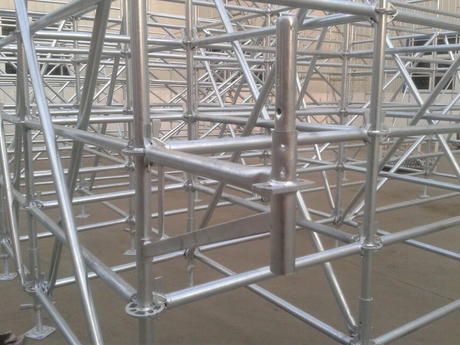
Cuplock scaffolding is a modular system widely used in construction for its efficiency, safety, and adaptability. However, erecting Cuplock scaffolding requires specific skills, knowledge, and adherence to safety standards. This article explores who can erect Cuplock scaffolding, the qualifications required, the process involved, and the key safety considerations.

Who is Qualified to Erect Cuplock Scaffolding?
Erecting Cuplock scaffolding is not a task for untrained personnel. It requires individuals with specific qualifications and experience. Below are the key groups of people who can safely erect Cuplock scaffolding:
1. Certified Scaffolding Workers:
- Workers with formal training in scaffolding erection.
- Certification from recognized organizations such as OSHA (Occupational Safety and Health Administration) or equivalent.
2. Experienced Construction Workers:
- Individuals with prior experience in assembling modular scaffolding systems.
- Familiarity with Cuplock's unique locking mechanism.
3. Scaffolding Supervisors:
- Supervisors who oversee the erection process.
- Responsible for ensuring compliance with safety standards and regulations.
4. Engineers and Designers:
- Engineers involved in planning scaffold layouts.
- They ensure the design meets load-bearing and structural requirements.
5. Apprentices Under Supervision:
- Trainees learning under the guidance of certified professionals.
- Allowed to participate in non-critical tasks during erection.
Skills Required to Erect Cuplock Scaffolding
To safely and efficiently erect Cuplock scaffolding, workers must possess the following skills:
1. Understanding of Components:
- Familiarity with standards, ledgers, diagonal braces, base jacks, and planks.
2. Assembly Techniques:
- Knowledge of how to connect verticals and horizontals using the cup-and-blade mechanism.
3. Safety Awareness:
- Ability to identify potential hazards.
- Proficiency in using personal protective equipment (PPE).
4. Load Assessment Skills:
- Understanding load limits for different components.
- Ability to calculate weight distribution across the scaffold.
5. Tool Proficiency:
- Skilled in using basic tools like hammers for securing connections.
Step-by-Step Process of Erecting Cuplock Scaffolding
Step 1: Site Preparation
- Inspect the site for uneven ground or obstacles.
- Ensure base jacks are placed on stable surfaces.
Step 2: Assemble Base Level
- Attach standards (verticals) to base jacks.
- Connect ledgers (horizontals) at the first level using the lower cup joint.
Step 3: Add Additional Levels
- Continue adding verticals and horizontals at each subsequent level.
- Use diagonal braces for extra stability as height increases.
Step 4: Install Platforms
- Place planks or decks on horizontal ledgers to create working platforms.
- Ensure platforms are securely locked in place.
Step 5: Add Safety Features
- Install guardrails and toe boards at all working levels.
- Double-check connections for stability.
Step 6: Final Inspection
- Inspect the entire structure for loose connections or misalignments.
- Verify compliance with safety standards before use.

Safety Considerations During Erection
Erecting Cuplock scaffolding involves inherent risks that must be mitigated through strict adherence to safety protocols:
1. Use of PPE:
- Workers must wear helmets, gloves, safety harnesses, and non-slip boots.
2. Load Limits:
- Never exceed the recommended load capacity of components.
3. Weather Conditions:
- Avoid erection during strong winds or heavy rain.
4. Regular Inspections:
- Inspect components for damage or wear before assembly.
5. Supervised Training:
- Ensure apprentices work under direct supervision until fully trained.
Advantages of Using Trained Professionals
Hiring trained professionals to erect Cuplock scaffolding offers several benefits:
1. Enhanced Safety:
- Reduces the risk of accidents through proper assembly techniques.
2. Efficiency:
- Experienced workers can complete erection faster without compromising quality.
3. Compliance:
- Ensures adherence to local regulations and industry standards.
4. Durability:
- Properly erected scaffolds last longer due to minimized wear and tear during assembly.
Regulations and Standards
Cuplock scaffolding must comply with various safety standards and regulations, such as OSHA guidelines in the U.S. or EN 12811 in Europe. Ensuring compliance is crucial for maintaining a safe working environment.
Case Studies
Example 1: Bridge Construction
Cuplock scaffolding was used in a major bridge project to support formwork during concrete pouring. Its high load-bearing capacity and stability ensured the success of the project.
Example 2: High-Rise Building
In a high-rise construction project, Cuplock scaffolding provided a flexible and safe platform for workers to perform exterior finishing tasks efficiently.
Common Mistakes During Erection
1. Improper Alignment:
- Misaligned components can compromise stability.
2. Skipping Safety Features:
- Omitting guardrails or toe boards increases fall risks.
3. Overloading Components:
- Exceeding load limits can lead to structural failure.
4. Inadequate Training:
- Allowing untrained personnel to erect scaffolds is dangerous and non-compliant with regulations.
Future Developments in Scaffolding Technology
Advancements in scaffolding technology are expected to improve safety and efficiency further. Innovations like automated assembly systems or advanced materials could reduce labor costs and enhance structural integrity.
Environmental Considerations
Cuplock scaffolding is generally environmentally friendly due to its reusability and durability. However, ensuring sustainable sourcing of materials and minimizing waste during construction can further reduce its environmental footprint.
Conclusion
Erecting Cuplock scaffolding is a specialized task requiring trained professionals who understand its components, assembly techniques, and safety protocols. By hiring certified workers or experienced teams, construction projects can ensure efficient scaffold erection while minimizing risks. Proper training, adherence to safety standards, and regular inspections are key to achieving a stable and reliable scaffold structure.

FAQ
1. Who is allowed to erect Cuplock scaffolding?
Only trained professionals such as certified scaffolders or experienced construction workers should erect Cuplock scaffolds under supervision.
2. What tools are required for erecting Cuplock scaffolds?
A hammer is typically sufficient for securing connections between components like standards and ledgers using the cup-and-blade locking mechanism.
3. What safety measures should be followed during erection?
Workers must wear PPE (helmets, gloves, harnesses), adhere to load limits, secure all connections tightly, and avoid working in adverse weather conditions.
4. Can apprentices participate in scaffold erection?
Yes, but only under direct supervision by certified professionals to ensure safety and proper learning practices.
5. How often should erected scaffolds be inspected?
Scaffolds should be inspected daily before use and after any significant weather events or modifications to ensure structural integrity and safety compliance.
Citations:
[1] https://www.youtube.com/watch?v=wBKilb9ALEY
[2] https://www.exportersindia.com/product-detail/cuplock-scaffolding-system-5289349333.htm
[3] https://www.indiamart.com/pondhanscaffolding/cuplock-scaffolding.html
[4] https://www.scafom-rux.com/en/scaffolding-blog/beginner-s-guide-to-scaffolding-types-the-cuplock-modular-scaffold
[5] https://constrofacilitator.com/the-versatility-of-cuplock-scaffolding-systems-in-modern-construction/
[6] https://www.indiamart.com/proddetail/cuplock-scaffolding-8568016030.html
[7] https://assets.website-files.com/66f42abc97ec5a674ec026bc/66fa2698689716374a110aee_36019422232.pdf
[8] https://www.academia.edu/96263680/Design_Calculations_of_Shuttering_and_Scaffolding_Cuplock_System