Content Menu
● Introduction
● What is Roof Ladder Scaffolding?
● Key Features of Roof Ladder Scaffolding
● Safety Benefits of Roof Ladder Scaffolding
● Regulatory Requirements and Compliance
● Practical Advantages in Roofing Jobs
● Roof Ladder Scaffolding vs. Other Access Equipment
● Installation and Usage Tips
● Training and Best Practices
● Additional Considerations for Roofing Projects
>> Environmental Factors
>> Roof Material Types
>> Site Constraints
>> Maintenance and Storage
● Conclusion
● FAQ
>> 1. What makes roof ladder scaffolding different from regular ladders?
>> 2. Is roof ladder scaffolding required by OSHA for roofing work?
>> 3. Can roof ladder scaffolding be used on all types of roofs?
>> 4. How does roof ladder scaffolding protect roof tiles?
>> 5. What safety training is recommended for using roof ladder scaffolding?
Roofing is one of the most demanding and hazardous tasks in construction, requiring workers to operate safely on sloped and elevated surfaces. To ensure efficiency, safety, and protection of the roof itself, roof ladder scaffolding has become an indispensable tool for roofing jobs. This article delves into why roof ladder scaffolding is essential, exploring its design features, safety benefits, regulatory compliance, practical applications, and how it compares to other access equipment.
Introduction
Working safely and effectively on roofs requires specialized equipment. Traditional ladders and scaffolding each have limitations when used alone on sloped roofs. Roof ladder scaffolding combines the benefits of scaffolding platforms with roof ladders designed specifically for sloped surfaces, providing a safer and more efficient working environment. This equipment not only protects workers from falls but also safeguards the roofing materials from damage during installation or repair.
What is Roof Ladder Scaffolding?
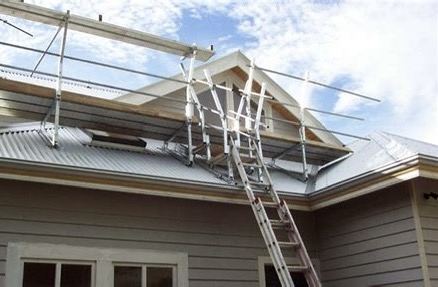
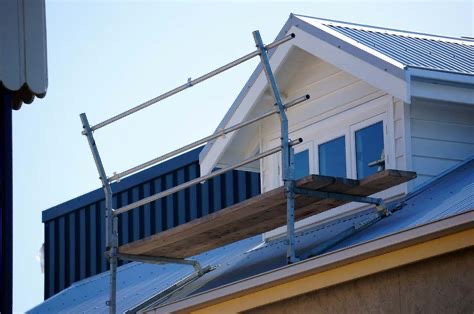
Roof ladder scaffolding refers to scaffold systems equipped with roof ladders or ladder attachments designed specifically for roofing work. Unlike standard ladders, roof ladder scaffolding is engineered to accommodate the unique challenges posed by sloped roofs, including steep angles, fragile tiles, and the need for secure footing.
Roof ladders feature specialized hooks and bars that secure the ladder over the roof ridge, while scaffolding provides a stable, flat platform for workers and materials. This combination allows workers to access and work on roofs safely and efficiently.
Key Features of Roof Ladder Scaffolding
Roof ladder scaffolding incorporates several design elements that make it essential for roofing jobs:
- Bearer Bars with Protective Coatings: Roof ladders include rubber or foam-coated bearer bars that create a gap between the ladder and the roof surface. This gap distributes weight evenly and prevents damage to roof tiles, a critical feature absent in standard extension ladders or makeshift conversions.
- Ridge Hooks: Heavy-duty hooks with rubber-sleeved ends secure the ladder firmly over the roof ridge, preventing slipping or movement even on steep slopes. This ensures stability and worker safety.
- Round Ridged Rungs: Unlike flat or square rungs on regular ladders, roof ladder rungs are round with ridges to provide maximum grip on sloped surfaces, reducing the risk of slipping.
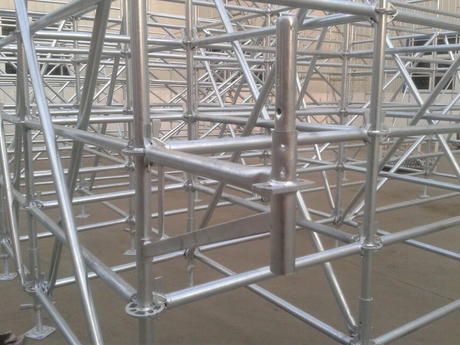
- Modular Scaffold Platforms: Scaffolding systems used in roofing are often modular, allowing customization to fit various roof sizes and shapes. They provide a flat, even surface for workers to stand on, reducing fatigue and fall risk.
- Non-Penetrating Designs: Some roof ladder scaffolding systems, such as those from ErectaStep, are designed to be non-penetrating, meaning they do not damage the roof membrane or structure during installation.
Safety Benefits of Roof Ladder Scaffolding
Safety is paramount in roofing, where falls are a leading cause of injuries and fatalities. Roof ladder scaffolding offers multiple safety advantages:
- Fall Protection: OSHA mandates fall protection systems for workers on roofs 6 feet or more above lower levels. Roof ladder scaffolding provides secure access and stable platforms, reducing fall hazards.
- Prevents Ladder Movement: The ridge hooks and secure scaffold platforms prevent ladder slipping or tipping, common causes of falls with traditional ladders.
- Protects Roof Integrity: By distributing weight and preventing direct pressure on fragile tiles, roof ladder scaffolding minimizes the risk of roof damage that could lead to structural hazards or costly repairs.
- Stable Working Surface: Scaffolding provides a flat, even surface where multiple workers can operate simultaneously, reducing the risk of slips, trips, and falls compared to working solely on ladders or uneven roof surfaces.
- Reduces Worker Fatigue: Comfortable and secure footing reduces physical strain, allowing workers to focus on their tasks and maintain safety awareness.
- Improved Emergency Response: In case of an accident, roof ladder scaffolding allows for easier rescue operations compared to workers stranded on ladders or steep roof surfaces.
Regulatory Requirements and Compliance
Compliance with safety regulations is critical in roofing operations. OSHA and other regulatory bodies provide clear guidelines on ladder and scaffold use:
- OSHA requires that all workers on roofs 6 feet or more above a lower level be protected by fall protection systems, which include secure scaffolding and ladder setups.
- Ladders must be fully extended, secured at top and bottom, placed on stable surfaces, and inspected before use.
- Roof ladder scaffolding meets OSHA standards by combining secure ladder attachments with scaffold platforms, ensuring both fall protection and safe access.
- The Ladder Association and Health & Safety Executive (HSE) emphasize using purpose-built roof ladders rather than makeshift conversions to reduce fall risks.
- Additionally, many local jurisdictions require specific certifications or inspections for scaffold and ladder equipment, making roof ladder scaffolding a compliant choice.
Practical Advantages in Roofing Jobs
Roof ladder scaffolding offers several practical benefits that improve roofing job efficiency:
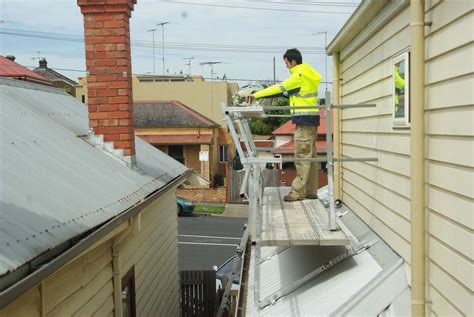
- Expanded Access: Scaffolding can be extended and configured to provide access to hard-to-reach areas, allowing workers to move freely and carry materials safely.
- Multiple Workers: Unlike ladders, scaffolding platforms accommodate multiple workers simultaneously, facilitating teamwork and speeding up project completion.
- Flexibility: Modular scaffolding systems can be adjusted to various roof shapes and sizes, and wheeled options allow easy repositioning around the building.
- Speed: Roof ladder scaffolding reduces the time spent climbing up and down ladders, enabling workers to focus on the job and finish faster.
- Material Handling: Scaffolding supports the storage and handling of tools and materials at height, reducing trips to the ground and improving productivity.
- Reduced Roof Damage: By minimizing direct contact and distributing weight, roof ladder scaffolding protects roofing materials, reducing costly repairs and warranty claims.
Roof Ladder Scaffolding vs. Other Access Equipment
| Feature | Roof Ladder Scaffolding | Standard Extension Ladder | Mobile Elevated Work Platform (MEWP) |
| Safety on Sloped Roofs | High (designed for roof angles, secure hooks) | Moderate (risk of slipping, no roof protection) | Very High (mechanical lift, stable platform) |
| Protection of Roof Surface | Yes (bearer bars prevent tile damage) | No (risk of tile breakage) | Yes (no contact with roof surface) |
| Capacity | Multiple workers and materials | Typically one worker | Multiple workers and materials |
| Flexibility | Modular, adjustable | Limited by ladder length and angle | Limited by machine reach and terrain |
| Setup Time | Moderate (requires assembly) | Low (quick to position) | High (requires equipment and training) |
| Cost | Moderate | Low | High |
While MEWPs offer excellent safety and flexibility, they are not always feasible due to site constraints, cost, or terrain. Roof ladder scaffolding presents a balanced solution combining safety, roof protection, and cost-effectiveness.
Installation and Usage Tips
- Positioning: Place roof ladder scaffolding so that hooks securely grip the roof ridge and scaffold platforms are level and stable.
- Inspection: Regularly inspect all components for wear, damage, or loose fittings before use.
- Training: Ensure all workers are trained in proper setup, climbing, and working techniques on roof ladder scaffolding.
- Fall Protection: Use personal fall arrest systems in conjunction with scaffolding for added safety.
- Weather Considerations: Avoid working on wet or icy roofs, as these conditions increase slip risk even with roof ladder scaffolding.
- Load Limits: Never exceed the rated load capacity of the scaffolding or ladder components.
- Communication: Maintain clear communication among workers to coordinate movements and material handling safely.
Training and Best Practices
- Always follow manufacturer instructions for assembly and use of roof ladder scaffolding.
- Conduct daily safety briefings emphasizing ladder and scaffold safety.
- Use fall protection equipment consistently.
- Keep the work area clean and free of debris to prevent tripping hazards.
- Never overload scaffold platforms or ladders beyond their rated capacity.
- Encourage workers to report hazards or unsafe conditions immediately.
- Regularly review and update safety protocols to reflect new regulations or equipment.
- Promote a culture of safety where workers feel comfortable speaking up about concerns.
Additional Considerations for Roofing Projects
Environmental Factors
Weather conditions such as wind, rain, ice, or extreme heat can affect the stability and safety of roof ladder scaffolding. Plan roofing work around favorable weather and always reassess safety if conditions change.
Roof Material Types
Different roofing materials (e.g., slate, tile, metal, asphalt shingles) have varying fragility and weight-bearing capacities. Roof ladder scaffolding helps protect fragile materials, but extra caution and specialized equipment may be needed for delicate surfaces.
Site Constraints
Urban or confined sites may limit the use of large scaffolding systems or MEWPs. Roof ladder scaffolding's modularity and relatively compact footprint make it adaptable to many environments.
Maintenance and Storage
Proper maintenance and storage of roof ladder scaffolding prolong equipment life and ensure safety. Store components in dry, secure locations and perform routine inspections.
Conclusion
Roof ladder scaffolding is essential for roofing jobs because it uniquely addresses the challenges of working safely and efficiently on sloped roofs. By combining the stability and spaciousness of scaffolding with roof ladders designed to protect roofing materials and secure footing, this equipment significantly reduces fall risks and enhances productivity. Compliance with OSHA and industry safety standards is easier to achieve with roof ladder scaffolding, making it a vital investment for any roofing project. Whether for residential repairs or large-scale construction, roof ladder scaffolding ensures that workers can perform their tasks safely, protect the roof structure, and complete jobs more efficiently.
FAQ
1. What makes roof ladder scaffolding different from regular ladders?
Roof ladder scaffolding combines scaffold platforms with roof ladders that have specialized features like rubber-coated bearer bars, ridge hooks, and ridged rungs designed for sloped roofs, providing superior safety and roof protection.
2. Is roof ladder scaffolding required by OSHA for roofing work?
While OSHA does not mandate roof ladder scaffolding specifically, it requires fall protection systems for workers on roofs over 6 feet high. Roof ladder scaffolding helps meet these requirements by providing secure access and stable platforms.
3. Can roof ladder scaffolding be used on all types of roofs?
Roof ladder scaffolding is versatile and can be configured for various roof shapes and slopes, typically between 25 to 60 degrees. However, very steep or irregular roofs may require specialized equipment or additional safety measures.
4. How does roof ladder scaffolding protect roof tiles?
The bearer bars on roof ladders create a gap between the ladder and the roof surface, distributing weight evenly and preventing direct pressure that can crack or break tiles.
5. What safety training is recommended for using roof ladder scaffolding?
Workers should receive training on proper assembly, ladder hooking, climbing techniques, fall protection use, and hazard recognition to safely use roof ladder scaffolding.