Content Menu
● What Is Ringlock Scaffolding?
● Components of Ringlock Scaffolding
● Advantages of Ringlock Scaffolding
>> 1. Time-Saving Assembly and Disassembly
>> 2. High Versatility and Flexibility
>> 3. Superior Load-Bearing Capacity
>> 4. No Extra Couplers Required
>> 5. Reduced Labor Requirements
● Safety and Stability in Ringlock Scaffolding
>> Structural Stability
>> Integrated Safety Features
● Durability and Sustainability
>> Long-Lasting Materials
>> Environmental Benefits
● Applications of Ringlock Scaffolding
● Innovations in Ringlock Scaffolding
>> Robotic Welding and Automated Manufacturing
>> Smart Scaffolding Systems
>> Digital Planning Tools
>> Sustainability and Eco-Friendly Manufacturing
● Maintenance and Inspection of Ringlock Scaffolding
● Choosing the Right Ringlock Scaffolding System
>> Material Quality and Thickness
>> Surface Treatment
>> Load Capacity
>> Modular Components and Accessories
>> Supplier Reputation and Support
● Conclusion
● FAQ
>> 1. What materials are used in high-quality ringlock scaffolding?
>> 2. How does ringlock scaffolding improve construction safety?
>> 3. Can ringlock scaffolding be customized for specific projects?
>> 4. What certifications should I look for when buying ringlock scaffolding?
>> 5. How fast can ringlock scaffolding be assembled compared to traditional systems?
In the rapidly evolving world of construction, safety, efficiency, and adaptability are more critical than ever. Ringlock scaffolding has emerged as the preferred choice for modern construction projects worldwide, thanks to its modular design, robust load capacity, and ease of assembly. This scaffolding system offers unparalleled flexibility, making it suitable for everything from high-rise buildings to complex industrial structures.
What Is Ringlock Scaffolding?
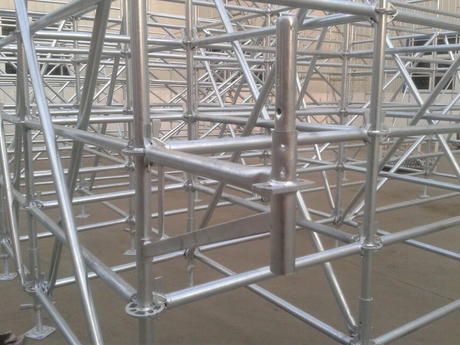
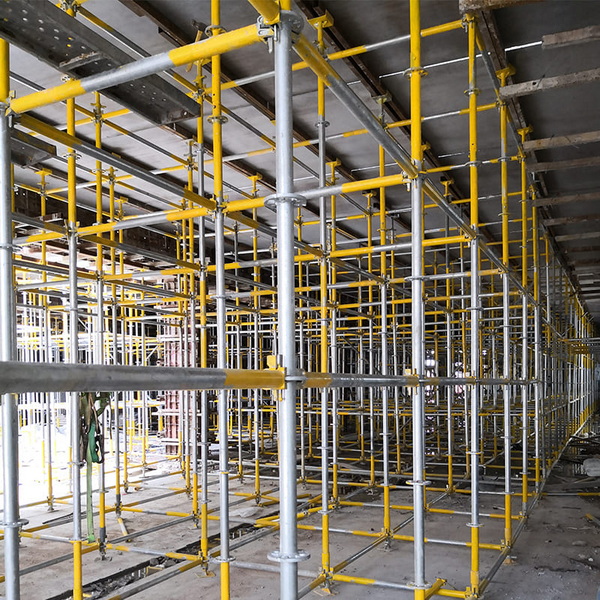
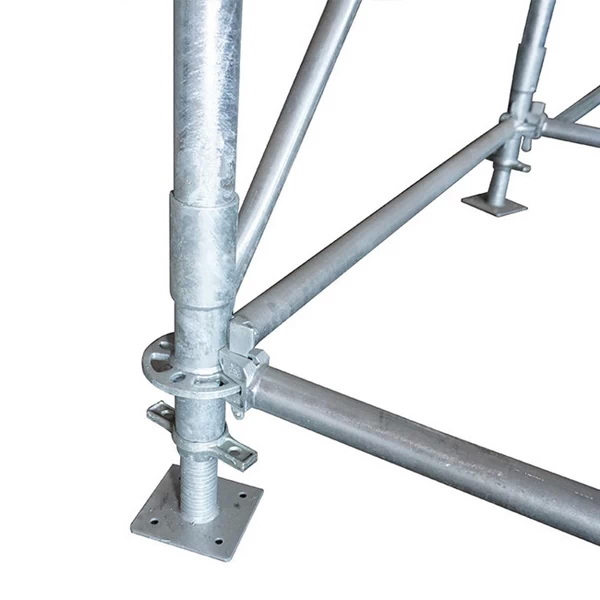
Ringlock scaffolding is a modular scaffolding system characterized by vertical standards equipped with welded rosettes (rings) at regular intervals. Horizontal ledgers and diagonal braces connect to these rosettes using wedge locks, allowing multiple connections at each node. This design enables rapid assembly, high flexibility, and secure, wobble-free structures.
Components of Ringlock Scaffolding
- Vertical Standards: Steel tubes with welded rosettes spaced evenly.
- Ledgers (Horizontal Bars): Connect horizontally to the standards via rosettes.
- Diagonal Braces: Provide lateral stability.
- Base Jacks and Base Collars: Used for leveling and supporting the scaffold.
- Steel Planks: Provide working platforms.
- Wedges and Ledger Ends: Lock components securely in place.
Advantages of Ringlock Scaffolding
1. Time-Saving Assembly and Disassembly
Ringlock scaffolding significantly reduces erection time compared to traditional tube-and-clamp systems. For example, a tube and clamp system may take over 300 minutes to erect, whereas ringlock scaffolding can be assembled in about 150 minutes, almost halving the labor time.
2. High Versatility and Flexibility
The circular rosette design allows up to eight simultaneous connections, enabling scaffolding to adapt to:
- Circular and curved structures.
- Straight, rectangular, and square configurations.
- Specially shaped or irregular designs.
- Mobile and independent scaffolding towers.
This flexibility makes ringlock scaffolding suitable for complex architectural forms and industrial applications.
3. Superior Load-Bearing Capacity
Ringlock scaffolding outperforms many traditional systems in load capacity. For example:
- A three-tier ringlock scaffold tower at 6.3 meters can support 396.3 KN with 3mm steel.
- Larger diameter ringlock standards (OD 60.3mm) can bear up to 639.1 KN.
This makes it ideal for heavy-duty applications like shoring and infrastructure projects.
4. No Extra Couplers Required
Each ringlock component has built-in locks and fixed connection points, eliminating the need for additional couplers or clamps. This reduces:
- Loose parts.
- Assembly complexity.
- Risk of component loss.
5. Reduced Labor Requirements
The intuitive design minimizes the need for a large workforce. Components such as vertical standards with fixed locks enable quick installation and dismantling, often requiring fewer scaffolders.
Safety and Stability in Ringlock Scaffolding
Structural Stability
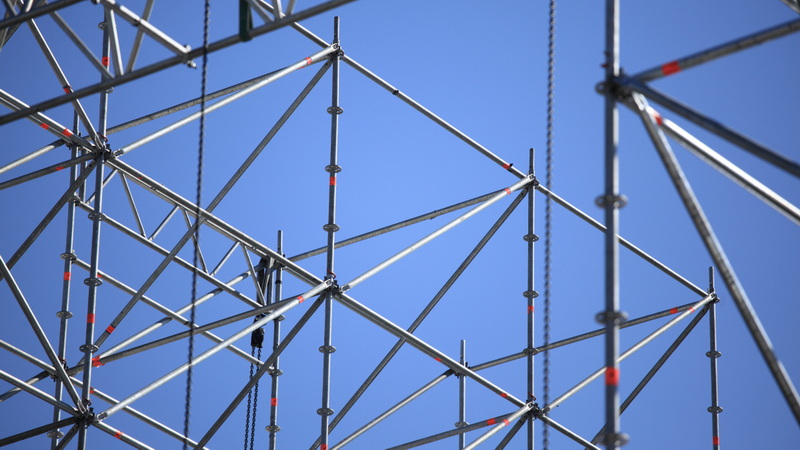
The interlocking components create a rigid, wobble-free structure. The addition of diagonal braces enhances wind and earthquake resistance, ensuring worker safety even in challenging environments.
Integrated Safety Features
- Non-slip surfaces on steel planks.
- Built-in guardrails and toe boards.
- Harness attachment points.
- Easy inspection due to standardized components.
Durability and Sustainability
Long-Lasting Materials
Ringlock scaffolding is typically made from galvanized steel, which resists corrosion and weathering, extending the product's service life even in harsh environments.
Environmental Benefits
- Modular design reduces material waste.
- Reusable components minimize resource consumption.
- Efficient assembly reduces construction time and associated emissions.
Applications of Ringlock Scaffolding
- High-Rise Buildings: Safe platforms for workers and materials.
- Bridges and Infrastructure: Heavy-duty support for complex structures.
- Industrial Plants: Flexible access for maintenance and installation.
- Event Staging: Quick assembly of temporary stages and grandstands.
- Renovation and Restoration: Adaptable to irregular surfaces and confined spaces.
Innovations in Ringlock Scaffolding
Robotic Welding and Automated Manufacturing
Robotic welding ensures consistent quality and strength in rosette connections, reducing defects and improving safety.
Smart Scaffolding Systems
Integration of sensors to monitor load, stress, and environmental conditions in real-time enhances safety and maintenance.
Digital Planning Tools
BIM integration and online configurators help design scaffolding layouts tailored to complex projects, improving efficiency.
Sustainability and Eco-Friendly Manufacturing
Many manufacturers now emphasize sustainable production, using recycled materials and environmentally friendly coatings to reduce carbon footprint.
Maintenance and Inspection of Ringlock Scaffolding
Regular maintenance and inspection are vital for safety and longevity:
- Check wedges and rosettes for wear or damage.
- Inspect steel planks for corrosion or deformation.
- Verify guardrails and toe boards are secure.
- Ensure base plates and jacks are stable and level.
Many suppliers offer digital inspection checklists and mobile apps to facilitate maintenance.
Choosing the Right Ringlock Scaffolding System
Material Quality and Thickness
Opt for scaffolding made from high-quality steel with a thickness of at least 3mm for vertical standards and 2.5mm for ledgers and braces to ensure strength and durability.
Surface Treatment
Hot-dip galvanizing is preferred over spray galvanizing for better corrosion resistance and longer lifespan.
Load Capacity
Match the scaffolding's load capacity with your project's requirements, considering factors such as worker density, equipment weight, and materials stored on platforms.
Modular Components and Accessories
Ensure availability of compatible accessories like staircases, guardrails, and base jacks to enhance safety and usability.
Supplier Reputation and Support
Choose manufacturers with proven quality, certifications, and good customer service including technical support and training.
Conclusion
Ringlock scaffolding stands out as the best choice for modern construction due to its unmatched combination of safety, flexibility, load capacity, and efficiency. Its modular design allows it to adapt to a wide range of construction challenges, from high-rise towers to complex industrial structures. The system's rapid assembly and disassembly capabilities reduce labor costs and project timelines, while its durable materials and integrated safety features protect workers and extend service life. By selecting a high-quality ringlock scaffolding system from a reputable manufacturer, construction professionals can ensure project success with enhanced safety and productivity.
FAQ
1. What materials are used in high-quality ringlock scaffolding?
High-quality ringlock scaffolding is typically made from Q345 or S355 steel with hot-dip galvanizing to resist corrosion and ensure durability.
2. How does ringlock scaffolding improve construction safety?
Its rigid rosette and wedge locking system creates stable, wobble-free structures, complemented by integrated guardrails and anti-slip platforms.
3. Can ringlock scaffolding be customized for specific projects?
Yes, many manufacturers offer OEM and customization services to tailor dimensions, finishes, and accessories.
4. What certifications should I look for when buying ringlock scaffolding?
Look for ISO 9001, CE marking, EN 12810, and EN 12811 certifications to ensure compliance with international standards.
5. How fast can ringlock scaffolding be assembled compared to traditional systems?
Ringlock scaffolding can be assembled up to 40% faster than traditional tube-and-clamp scaffolding due to its modular design and wedge-lock system.