Content Menu
● Understanding System Scaffolding
● Key Components of System Scaffolding
● Advantages of System Scaffolding
● How System Scaffolding Boosts Project Success
● Best Practices for Implementing System Scaffolding
● Conclusion
● FAQ
>> 1. What is system scaffolding?
>> 2. What are the key benefits of using system scaffolding?
>> 3. How does system scaffolding improve worker safety?
>> 4. Can system scaffolding be used for high-rise construction?
>> 5. What best practices should be followed when using system scaffolding?
● Citations:
In the construction industry, the choice of scaffolding can significantly impact the efficiency, safety, and overall success of a project. One of the most effective solutions available today is system scaffolding, which is designed to meet the diverse needs of modern construction projects. This article will delve into the definition of system scaffolding, its advantages, and how it can boost your project's success.
Understanding System Scaffolding
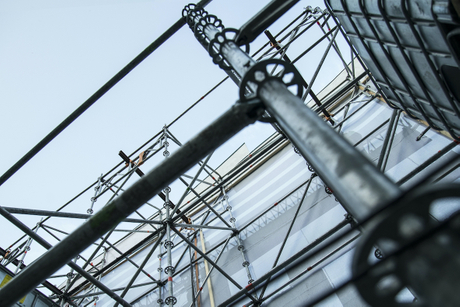
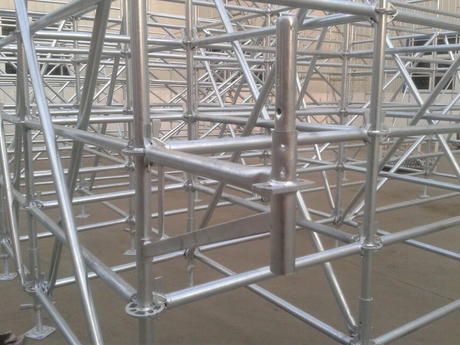
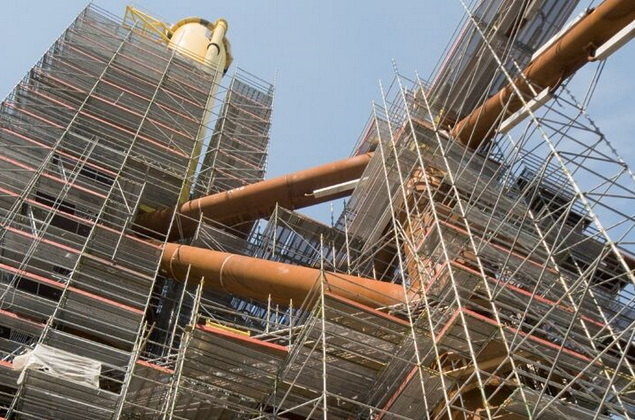
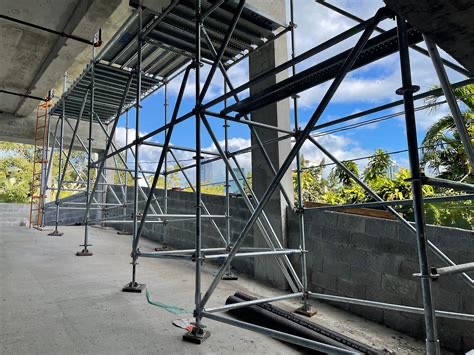
System scaffolding refers to a modular scaffolding system constructed from standardized components that are pre-engineered for quick assembly and disassembly. It consists of vertical standards, horizontal ledgers, and pre-engineered joints that connect these components. This design allows for a high degree of flexibility and adaptability, making it suitable for various construction tasks.
Key Components of System Scaffolding
1. Standards: Vertical components that provide the primary support for the scaffold structure.
2. Ledgers: Horizontal components that connect the standards and provide additional support.
3. Transoms: Horizontal members that support the working platform.
4. Braces: Diagonal members that enhance stability and prevent lateral movement.
5. Decking: Platforms made from materials such as plywood or metal that provide a working surface.
Advantages of System Scaffolding
1. Enhanced Safety
Safety is a top priority in construction, and system scaffolding is designed with this in mind. The pre-engineered components ensure a secure connection between parts, reducing the risk of failure during use. Additionally, system scaffolds often come equipped with guardrails, toe boards, and non-slip surfaces to enhance worker safety.
2. Increased Efficiency
The modular design of system scaffolding allows for quick assembly and disassembly, saving valuable time on construction sites. Fewer components mean less time spent on setup, allowing workers to focus on their tasks rather than struggling with complicated scaffolding systems.
3. Versatility
System scaffolding can be adapted to fit various project requirements, from small residential buildings to large commercial structures. The flexibility of the system allows for easy adjustments based on site conditions or specific tasks.
4. Cost-Effectiveness
Although the initial investment in system scaffolding may be higher than traditional methods, its durability and reusability lead to long-term cost savings. The ability to use the same components across multiple projects reduces material costs and waste.
5. Improved Accessibility
System scaffolding provides safe access to elevated work areas, allowing workers to perform tasks efficiently without compromising safety. This accessibility is particularly important in high-rise construction where reaching upper levels can be challenging.
How System Scaffolding Boosts Project Success
1. Streamlined Workflow
By providing a safe and stable working environment, system scaffolding enables workers to perform their tasks more efficiently. This streamlined workflow leads to faster project completion times and increased productivity.
2. Reduced Downtime
The quick assembly and disassembly capabilities of system scaffolding minimize downtime during transitions between phases of construction. This efficiency helps keep projects on schedule.
3. Enhanced Collaboration
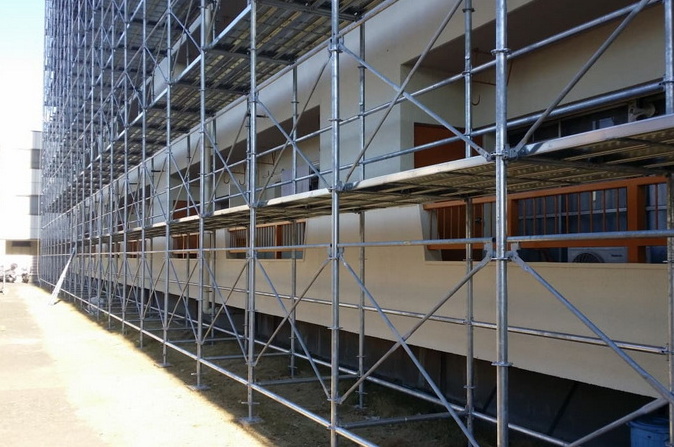
A well-structured scaffold system allows multiple teams to work simultaneously at different heights without interfering with one another. This collaborative environment fosters communication and teamwork among workers.
4. Compliance with Regulations
System scaffolding is designed to meet or exceed local building codes and safety regulations, ensuring compliance throughout the project lifecycle. This adherence reduces the risk of fines or delays due to regulatory issues.
5. Adaptability to Changing Conditions
Construction projects often face unexpected changes in scope or design. System scaffolding can be quickly adjusted or reconfigured to accommodate these changes without significant delays or additional costs.
Best Practices for Implementing System Scaffolding
1. Proper Training
Workers should receive comprehensive training on how to assemble and use system scaffolding safely. Understanding load limits, safety features, and proper assembly techniques is crucial for minimizing risks.
2. Regular Inspections
Conduct regular inspections of scaffold structures to identify any signs of wear or damage. Addressing issues promptly ensures ongoing safety and compliance with regulations.
3. Engage Qualified Professionals
Involve experienced scaffold designers and engineers when planning your scaffold layout to ensure optimal safety and efficiency.
4. Use Quality Materials
Invest in high-quality materials for your system scaffolding to ensure durability and reliability throughout your project.
Conclusion
The definition of a system scaffold encompasses a versatile, efficient, and safe solution for modern construction challenges. By leveraging its advantages—such as enhanced safety features, increased efficiency, versatility, cost-effectiveness, and improved accessibility—construction companies can significantly boost their project's success rates. Implementing best practices ensures that these benefits are maximized while maintaining a focus on worker safety.
FAQ
1. What is system scaffolding?
System scaffolding is a modular scaffolding solution made from standardized components designed for quick assembly and disassembly in various construction applications.
2. What are the key benefits of using system scaffolding?
Key benefits include enhanced safety features, increased efficiency during setup, versatility for different project types, cost-effectiveness through reusability, and improved accessibility to work areas.
3. How does system scaffolding improve worker safety?
System scaffolding incorporates safety features such as guardrails, toe boards, non-slip surfaces, and secure connections between components to reduce the risk of accidents.
4. Can system scaffolding be used for high-rise construction?
Yes, system scaffolding is particularly well-suited for high-rise construction due to its ability to provide safe access at various heights while maintaining structural integrity.
5. What best practices should be followed when using system scaffolding?
Best practices include providing proper training for workers, conducting regular inspections of scaffold structures, engaging qualified professionals for design planning, and using high-quality materials.
Citations:
[1] https://www.buildingconstructiondesign.co.uk/news/what-is-system-scaffolding-and-what-are-its-advantages/
[2] https://www.unitedscaffold.ca/scaffold-news/3-reasons-to-use-scaffolding-for-construction/
[3] https://www.avontus.com/blog/major-types-of-scaffolding-in-construction/
[4] https://unimaxformwork.com/top-10-benefits-of-using-modern-scaffolding-systems-in-construction/
[5] https://www.scafom-rux.com/en/scaffolding-blog/beginner-s-guide-to-system-scaffolding
[6] https://www.avontus.com/blog/facing-the-labour-shortage-benefits-of-system-scaffolding-over-tube-fitting/
[7] https://www.scaffoldingsolutions.com/articles/what-is-the-best-system-scaffolding/
[8] https://www.winntus.com/blog/4-benefits-of-using-ms-scaffolding-for-construction-projects.htm